Reviewed · TICKETS
Barcelona: Casa Batlló Be The First Entry Ticket
A morning visit to Casa Batlló feels like a secret. With limited capacity and first light streaming in, you get long looks at Gaudí’s wild shapes plus top-notch photo angles without shoulder-to-shoulder lines. I love the combination of a self-guided audio + AR tablet route and the two tech rooms, the Gaudí Dome and Gaudí Cube. One thing to consider, the tablet has to be carried during parts of the visit, and the Cube experience can feel a bit intense for some people.
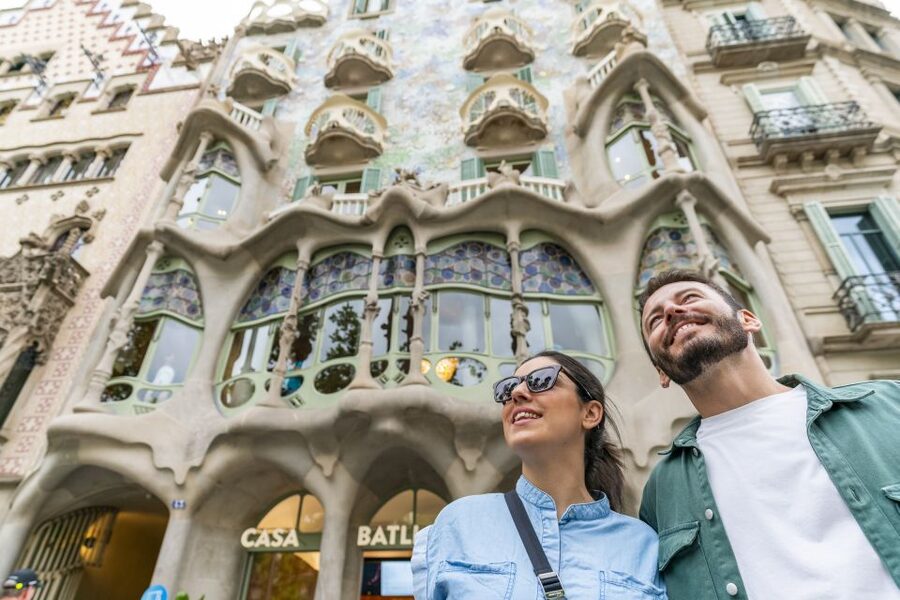
Casa Batlló is a UNESCO World Heritage Site, and this first-entry ticket is all about experiencing it on your own terms, at the calmest time of day. You also get extra, newer-feeling moments beyond the house itself, including Gaudí’s work shown from fresh angles through AI-style interpretation on the tablet. The setup is designed for comfort and flow, but if you want zero tech involvement at all, this is not that kind of visit.
In This Review
- Key things that make this first-entry ticket worth your time
- First-Entry Timing: Better Light, Fewer Photo Headaches
- Picking Up the Audioguide and Tablet, Then Starting on Your Terms
- The Self-Guided Route Through Casa Batlló: How the Story Gets Told
- Gaudí Dome: More Than a Thousand Screens Overhead
- Gaudí Cube: The Six-Sided LED Experience (and One Safety Consideration)
- The Tablet, AI-Style Layers, and What They’re Actually For
- New Architectural Moments: Marble, Mapping, and the Kengo Kuma Ladder
- Timing Tips: How Early to Arrive and How Long to Plan
- Is the Price Fair? What $53 Buys You in Barcelona
- Who This Works For, and Who Might Want a Different Gaudí Day
- A Unique Human Touch: Autism Support and a Neurodivergent Team
- Should You Book the First Entry Ticket for Casa Batlló?
- FAQ
- How long is the Casa Batlló first entry visit?
- Is a live guide included?
- Where do I pick up the audioguide and virtual tablet?
- What languages are available for the audio guide?
- What areas can I access with this ticket?
- Is the experience wheelchair accessible?
- Is the ticket refundable?
Key things that make this first-entry ticket worth your time
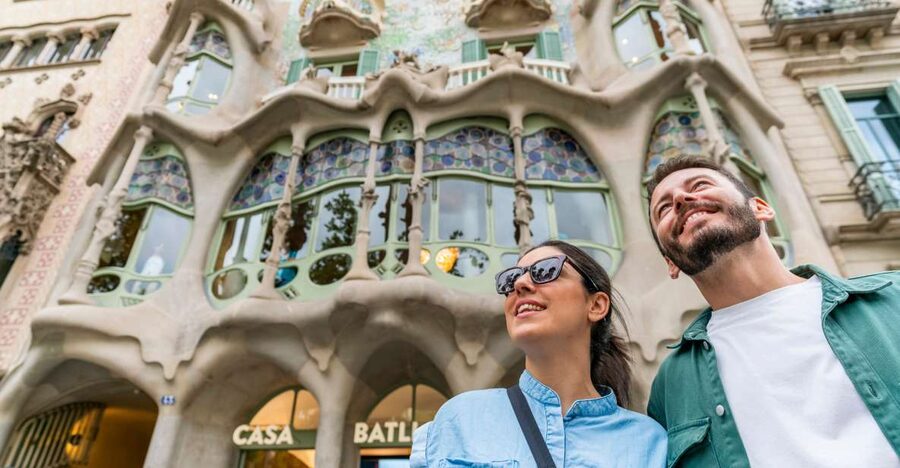
- Very limited morning capacity so you can slow down and take photos without a crowd crush
- Gaudí Dome with a dome packed with more than a thousand screens for a different kind of Gaudí-feel
- Gaudí Cube a six-sided LED cube that turns the storytelling into a full-room show
- Tablet + headphones to connect the design details to how the space was meant to work
- Extra architecture moments like the polished marble ladder by Kengo Kuma and mapping on Gaudí’s light patio
- A neurodivergent support team created through Casa Batlló’s autism-focused initiative with Specialisterne
First-Entry Timing: Better Light, Fewer Photo Headaches
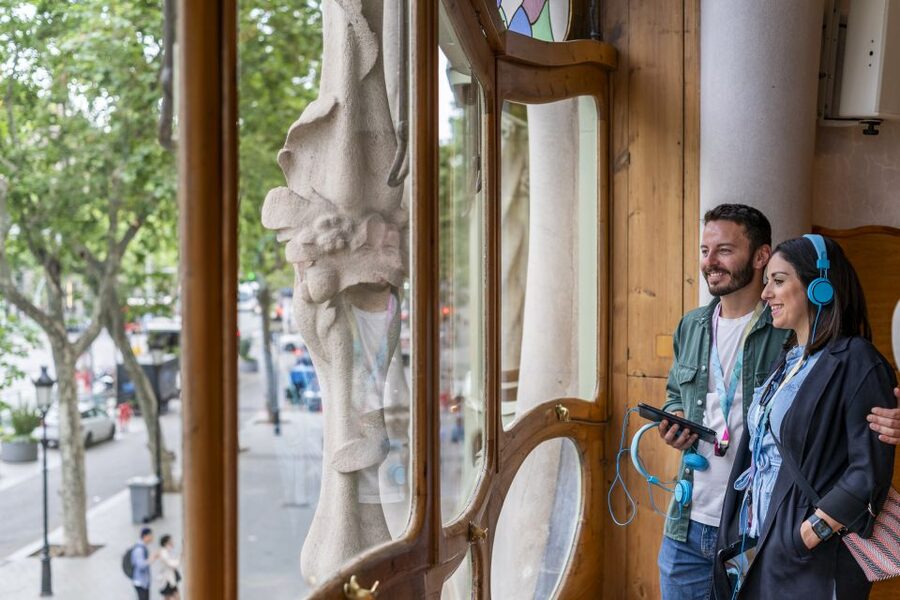
If your goal is photos without juggling elbows, the first-entry idea is the whole point. Casa Batlló gets busy fast, and the best photos usually happen early, when the light hits the main rooms and hallways with less interference from people moving through the same angles.
You’ll also find the pace feels saner. The ticket is designed for a relaxed morning visit with limited capacity, so you can pause, look up, and actually notice the details that make this place famous. Later in the day, the same route can turn into a slow shuffle. Early entry keeps it closer to wandering and less like queuing.
Photo tip that matters in real life: plan to take your main shots early, then save balcony and special photo moments for when you’ve warmed up. One guest specifically mentioned the balcony photo option and advised stepping back a bit and not gripping the balcony edge, because it makes your framing cleaner.
Other days out near Barcelona
- Barcelona: Sagrada Familia Entry Ticket with Audio Guide
★ 4.6 · 105,312 reviews - Barcelona: Park Güell Admission Ticket
★ 4.4 · 76,534 reviews - Barcelona: Casa Batlló Entry with Self-Audioguide Tour
★ 4.7 · 25,359 reviews
Picking Up the Audioguide and Tablet, Then Starting on Your Terms
This isn’t a live-guide tour. Your first job is simple: come to Casa Batlló to pick up your audioguide and your virtual tablet.
That handoff matters because you’re starting self-guided. Once you have the kit, you control the rhythm. You can stop for a long look at a ceiling curve, rewind a story on a headset, or spend more time where you care most: the formal rooms, the outdoor-looking patio spaces, or the newer tech rooms at the end.
A practical note from experience-style use: the tablet is novel at first, then it can feel a little cumbersome later if you’re holding it while trying to take in the architecture. The good news is that the route is organized and clearly signposted, so you’re not constantly guessing where to go next.
Also, yes, there is a checkroom. If you bring a day bag, keep strollers there too if needed. It helps you move smoothly through tight interior areas.
The Self-Guided Route Through Casa Batlló: How the Story Gets Told
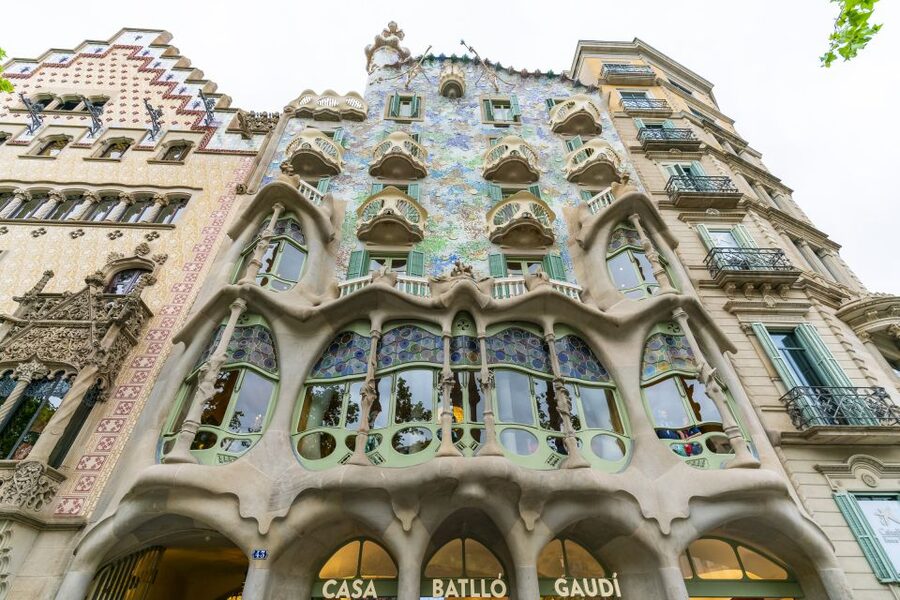
Casa Batlló works best when you treat it like architecture you can read, not a checklist. The audio guide is available in many languages, including Catalan, Spanish, English, Italian, French, Chinese, Dutch, German, Japanese, Korean, Polish, Portuguese, Romanian, and Russian. That means you’re not just getting generic facts. You can follow the logic of the space in your own language, including how Gaudí designed for light and movement.
As you walk through, the furnished parts are usually what lock in the impact. Seeing the rooms set up the way they were meant to function makes the flowing forms feel less like decoration and more like a whole system. You start noticing how shapes guide you, and how openings and surfaces pull light into the space.
Two things I particularly like about the way this is presented:
- The audio stays with you, so you’re not drifting from sign to sign.
- The tablet layer adds context about what you’re seeing, including how the spaces might have looked originally.
One small warning: headphones are included, so don’t plan on sharing audio with your group. If you like discussing everything out loud as you go, you may want to step aside for big moments, then regroup.
Gaudí Dome: More Than a Thousand Screens Overhead
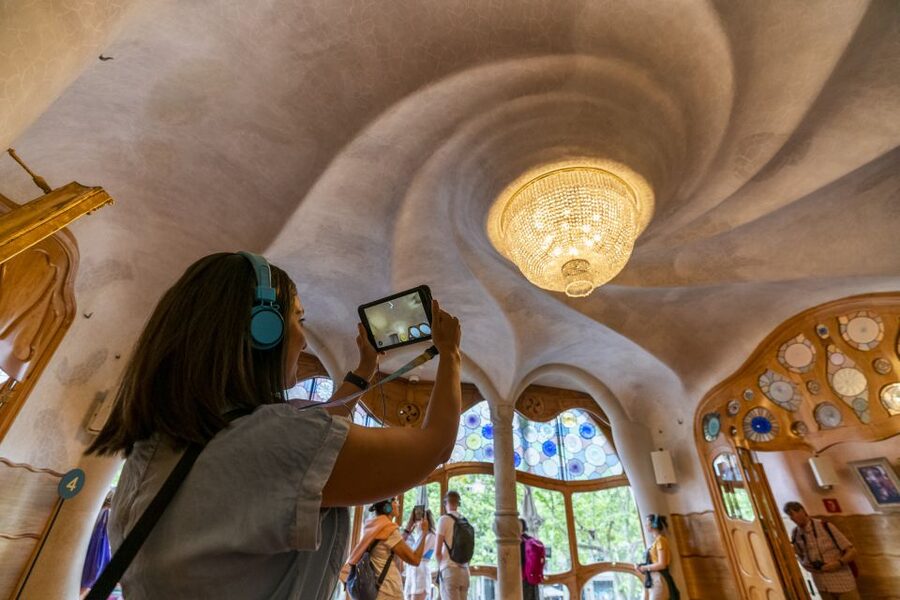
One of the reasons people love this ticket is that you don’t just tour the house and leave. You also get two newer rooms that change your sense of scale and design.
The Gaudí Dome is the first room featuring a dome with more than a thousand screens. That turns the ceiling into the main event. Instead of just looking up at architecture, you’re watching the space reinterpret itself. It’s a strong contrast to the organic, hand-crafted feel of the house interiors, and it gives you a breather from the careful, step-by-step walking.
What you should do: take your time before you enter. Once you’re in, you’ll want a stable position to watch and take photos from where the screen coverage looks best. If you’re chasing photos, arrive early in this room’s timing so the best spots are still open.
Also within reach of Barcelona:
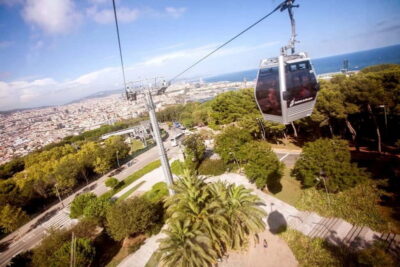
- Barcelona: Montjuïc Cable Car Roundtrip Ticket
★ 4.5 · 22,368 reviews - Barcelona: Hola Barcelona Public Transport Travel Card
★ 4.5 · 20,985 reviews - Barcelona: 24 or 48-Hour Hop-On Hop-Off Bus Tour
★ 4.4 · 20,872 reviews - Barcelona: Park Guell Guided Tour with Skip The Line Entry
★ 4.7 · 17,563 reviews
Gaudí Cube: The Six-Sided LED Experience (and One Safety Consideration)
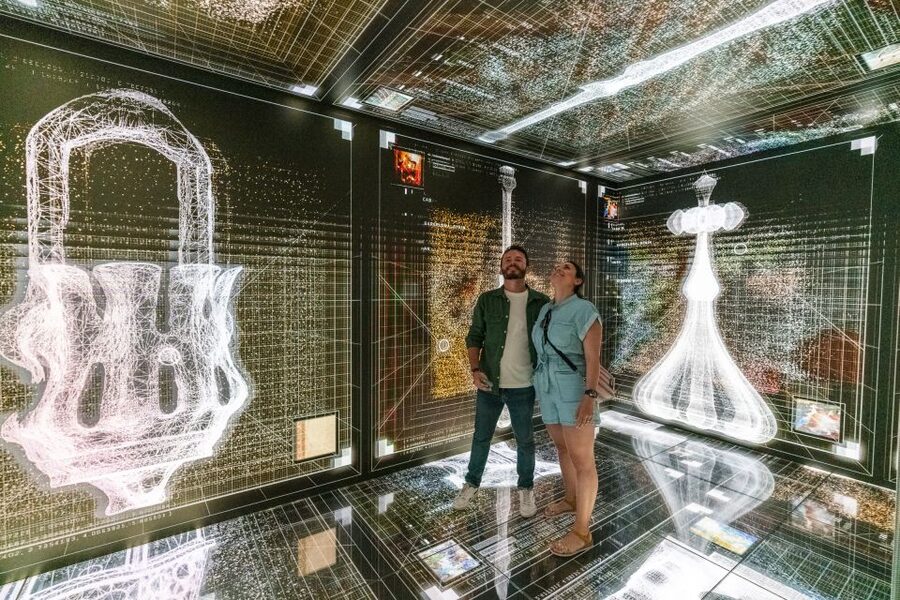
Then comes the Gaudí Cube, a six-sided LED cube said to be unique in the world. This is where the storytelling feels like it wraps around you. It’s one thing to see Gaudí in static form, and another to see the design language treated like motion and light.
Here’s the consideration: some people can feel nauseous in the Cube environment. If you’re sensitive to screens, motion effects, or enclosed visual intensity, take it slowly. If you feel off, step out and give yourself a reset before you continue.
Also, because this is a room experience, you may want to go with comfortable expectations. This is not a quiet museum corner. It’s meant to be watched and felt, and the audio and tablet elements can make it more intense than you expect if you prefer simple self-guided galleries.
The Tablet, AI-Style Layers, and What They’re Actually For
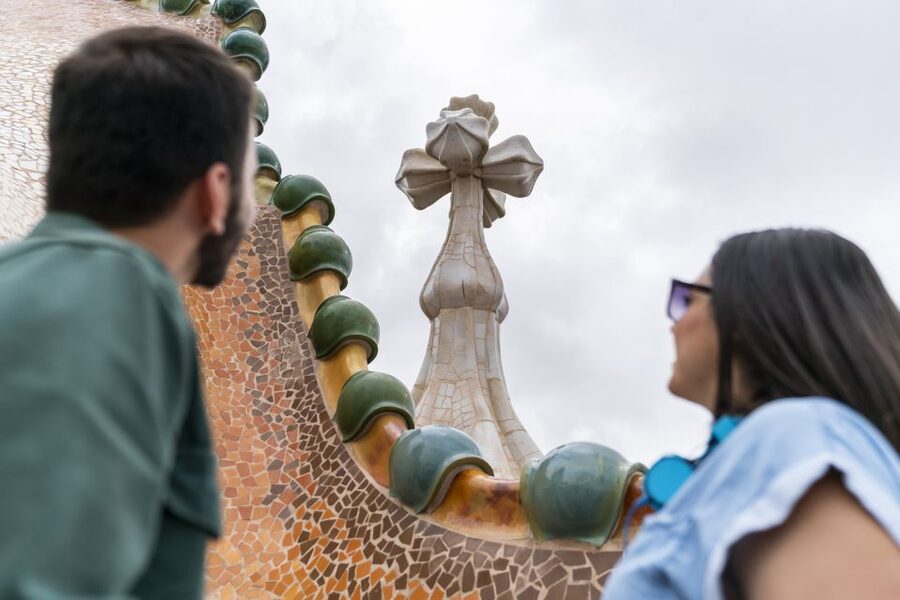
The tablet uses augmented reality and machine learning style features to give you additional perspectives on Gaudí’s work. The key is that it doesn’t replace the architecture. It adds a second lens.
I like it most when it helps you understand the design choices you’d otherwise miss. You stand in front of a shape, and then the tablet helps translate what you’re looking at into why it matters. That’s what turns the visit from photo-taking into actual learning, without feeling like homework.
But there’s also a real-world tradeoff. One reason some people mention frustration is that the VR-style tablet can be annoying to carry. If you’re traveling light, plan for the tablet to be part of your hand space. If you’re traveling with kids or a partner who wants a free hand, you might need to coordinate who holds it.
If your group hates tech, this could still work if you treat the tablet as optional. Use it for the big rooms where it changes the story most, then rely on audio for the rest.
New Architectural Moments: Marble, Mapping, and the Kengo Kuma Ladder
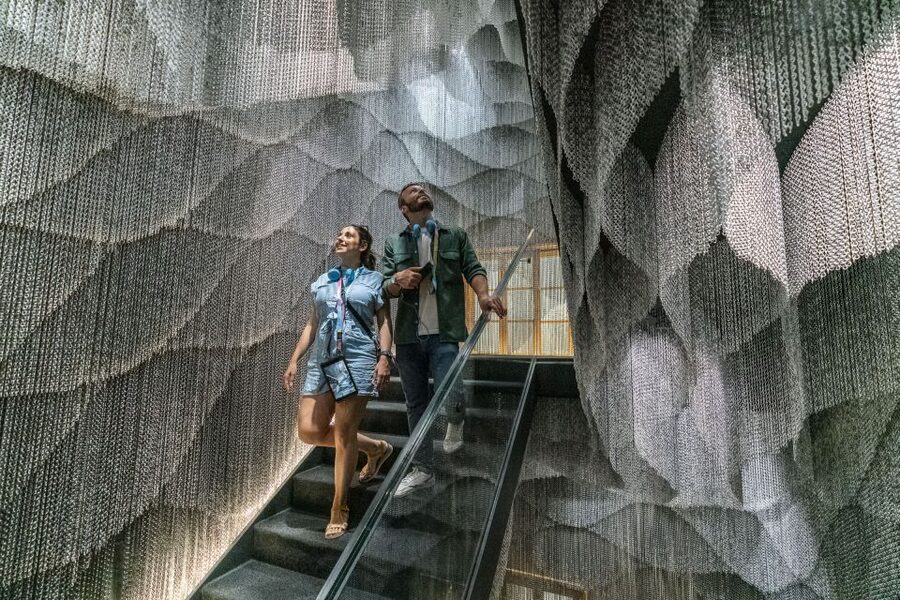
Beyond the house itself, this first-entry ticket gives you access to newer wow moments inside the route.
You’ll encounter a core of vertical communication designed by Japanese architect Kengo Kuma, including a floating ladder of 13 tons of polished marble suspended in the air. It’s the kind of object that makes you stop walking, because your brain wants to explain how it holds. Even if you don’t know the architect, the moment communicates engineering confidence and design play.
There’s also mention of the first six-sided indoor mapping on a patio of Gaudí’s lights. This connects to why the Dome and Cube work so well. The visit keeps returning to the same question, how do light and surface create meaning, not just decoration.
And yes, there’s a store at the end, including a new “Simbolic” store. If you like picking up small architecture-themed souvenirs, this is where that happens, without having to hunt around after the fact.
Timing Tips: How Early to Arrive and How Long to Plan

The ticket is valid for one day, but you’ll pick a starting time. The practical advice is consistent: choose the earliest slot you can, and come a little before your time so you can pick up your audioguide and tablet without stress.
One of the strongest tips from real scheduling logic is that a larger group tour arrives around 9am. So if you enter right at 8 or 8:30, you’ll likely beat the crowd swell. If you come later, even by a small margin, expect the flow to tighten quickly.
How long should you plan? People often complete the self-guided experience in about 1.5 hours without rushing. If you like slow photo pauses and repeated looks, plan a bit longer so you don’t feel pushed at the end when you reach the Cube.
Also, consider the weather and temperature. Some visitors note it can get hot in the building, so start early, drink water, and wear breathable layers if you’re visiting in summer.
Is the Price Fair? What $53 Buys You in Barcelona
At about $53 per person, the ticket isn’t cheap. But for Casa Batlló, the value is tied to access and additions.
You’re paying for:
- Priority time with very limited capacity early in the day
- Entry to key areas, including the Gaudí Cube, Gaudí Dome, and original Concierge Room
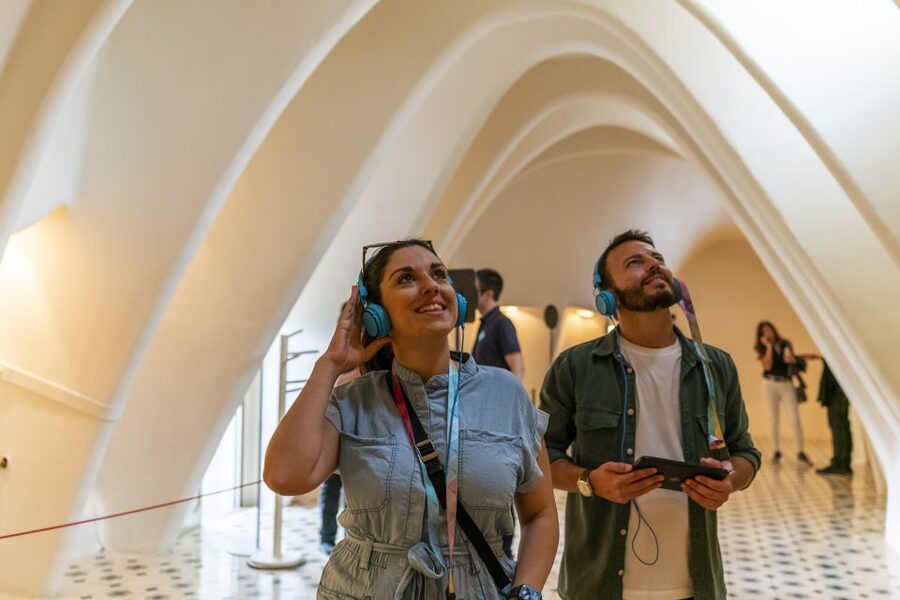
- An audio guide included
- A virtual tablet included, with augmented reality and machine learning style content
If you compare this to doing only a basic self-guided house walk at a busier time, the early-entry premium is basically buying you better photos, more quiet looking time, and a smoother route. When you’re paying for Gaudí anyway, the chance to actually see details without constant crowd movement is the difference between seeing a landmark and experiencing it.
For me, the best value case is simple: you want to understand Gaudí, take photos you won’t hate later, and you’re open to a tech layer that changes how you see the house.
Who This Works For, and Who Might Want a Different Gaudí Day
This first-entry ticket is a strong fit if you:
- Hate crowds and want a calmer, photo-friendly morning
- Like self-guided visits where you can pause and control your pace
- Want more than traditional room-by-room touring, especially with the Dome and Cube
It may be less ideal if you:
- Want a fully live-guide experience, because this does not include a live guide
- Are highly sensitive to intense screen environments, given the Cube room can make some people feel nauseous
- Dislike carrying a tablet during a walk, because the tablet is part of the experience
If you’re also planning to see other Barcelona Gaudí sites, this one often hits hardest when you care about design details and light effects, not just big exteriors.
A Unique Human Touch: Autism Support and a Neurodivergent Team
One part of this visit that I think adds real meaning is Casa Batlló’s commitment to autism. You’ll be assisted by neurodivergent people, and the site is described as the first cultural institution internationally to have a neurodivergent team assisting visitors, through a collaboration with Specialisterne.
That matters because it signals how the experience is managed at a human level, not just a tech level. It also suggests the staff approach may be more accommodating and structured for different visitor needs.
If you appreciate thoughtful service and inclusion work, this is worth noting alongside the architecture.
Should You Book the First Entry Ticket for Casa Batlló?
Book it if you can make an early starting time. This ticket is specifically designed to let you enjoy Casa Batlló with less crowd pressure, better photo opportunities, and extra headlining rooms, the Gaudí Dome and Gaudí Cube. At this price point, the “early and calm” factor is what makes it feel like value rather than just a more expensive entry slot.
Skip it or reconsider if you hate carrying devices during a walk, or if screen and enclosed-room intensity like the Cube could make you feel unwell. In that case, you might still want to visit, but choose a different format.
My quick rule: if early mornings don’t bother you, this is one of the smartest ways to experience Gaudí in Barcelona without losing your calm.
FAQ
How long is the Casa Batlló first entry visit?
The experience is listed as valid for 1 day. Many visitors complete the self-guided visit in about 1.5 hours without rushing.
Is a live guide included?
No. This ticket includes an audioguide and a virtual reality tablet, but it does not include a live guide.
Where do I pick up the audioguide and virtual tablet?
You pick them up at Casa Batlló. The meeting point is to come to Casa Batlló to pick up your audioguide and virtual tablet.
What languages are available for the audio guide?
The audioguide is available in Catalan, Spanish, English, Italian, French, Chinese, Dutch, German, Japanese, Korean, Polish, Portuguese, Romanian, and Russian.
What areas can I access with this ticket?
This ticket includes access to the Gaudí Cube, Gaudí Dome, and the original Concierge Room, plus entry to Casa Batlló.
Is the experience wheelchair accessible?
Yes, it is wheelchair accessible.
Is the ticket refundable?
No. The activity is non-refundable.
Recently added around Barcelona
- Barcelona Grand 2-Hour Segway Tour★ 4.8 · 240 reviews
- Barcelona Insiders Segway Tour 1.5h★ 4.8 · 149 reviews
- From Barcelona: Girona and Costa Brava Day Tour★ 4.7 · 397 reviews
- Barcelona: Park Güell Guided Tour with Skip-The-Line Entry★ 3.6 · 124 reviews
- Gaudi’s Crypt in Colonia Güell with Audioguide★ 4.4 · 201 reviews
- Gaudí Experiència Barcelona Admission Ticket★ 4.0 · 516 reviews
- From Barcelona: Dalí Triangle and Cadaques Tour★ 4.8 · 207 reviews
- From Barcelona: Tossa de Mar Day Tour with Beach Time★ 4.9 · 306 reviews
Tickets, compared.

Sagrada Familia Entry Ticket with Audio Guide
Read our review →