Reviewed · TICKETS
Barcelona: Museu Nacional d’Art de Catalunya Entrance Ticket
Romanesque murals and Montjuïc views in one stop. The Museu Nacional d’Art de Catalunya (MNAC), in the Palau Nacional, stacks Catalan Modernism and European painting in a setting that feels grand from the moment you arrive.
I love how the museum is laid out on two floors, so you can move at your own pace without losing the thread. The setting also pays you back with big-city views from the Montjuïc mountain area, even when you are done with the art.
One drawback to plan around: the terraces and rooftop are temporarily out of service, so your best views may be limited depending on what is open.
In This Review
- Key things to know before you go
- Why MNAC in Palau Nacional is worth the Montjuïc climb
- Price and what your ticket includes (and why it feels fair)
- Your self-guided route: Romanesque, Renaissance, Baroque on two floors
- Catalan Modernism highlights, plus the artists to look for
- Photography in the mix, and how temporary exhibitions change your plan
- Views and outdoor time when the rooftop is closed
- Timing, comfort breaks, and avoiding the last-entry stress
- Audio guide tips and why the languages matter
- Should you book this MNAC ticket?
- FAQ
- How much does the MNAC ticket cost?
- What’s included with the entrance ticket?
- Does the ticket let me skip the line?
- What languages are available for the audio guide?
- What should I bring to use the audio guide?
- Are the rooftop terraces available?
- When is admission free?
- Is the museum wheelchair accessible?
- Can I get a refund if I cancel?
Key things to know before you go
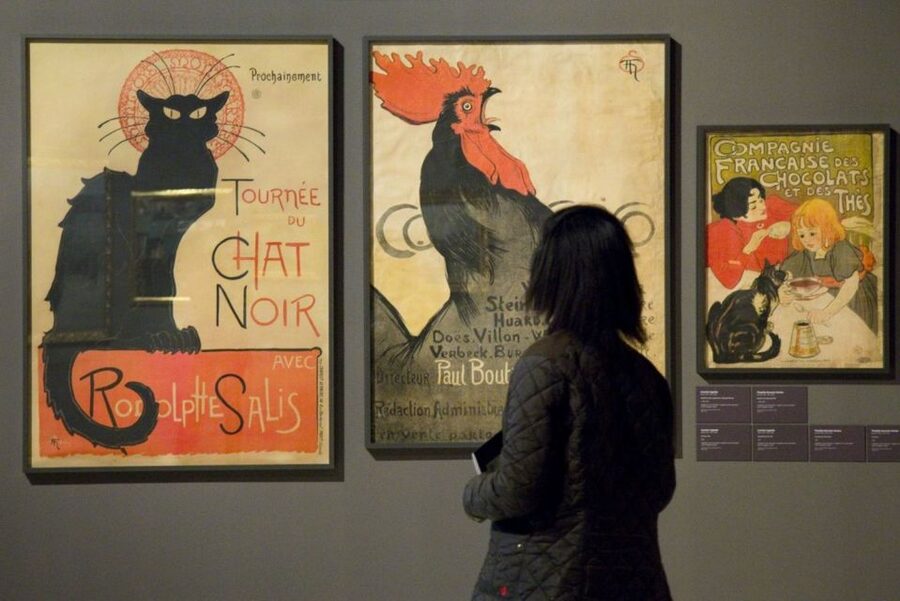
- Romanesque mural paintings that let you see rescued church art in a museum setting
- Catalan Modernism highlights tied to major local names like Gaudí and Casas
- European Old Masters, with works associated with artists like Tiziano and Velázquez
- Two-floor layout, usually a couple of hours if you want to see a lot without rushing
- Phone audio guide in many languages, plus headphones are required
- Montjuïc views, but the rooftop access is currently limited
Why MNAC in Palau Nacional is worth the Montjuïc climb
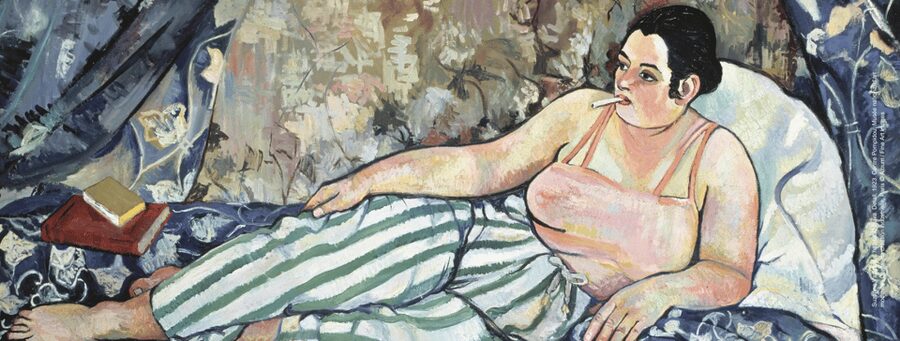
MNAC is the kind of museum that works even if you do not consider yourself a serious art person. The reason is simple: the building itself is a big deal. It is the Palau Nacional on Montjuïc, built for the International Exposition of 1929, so your visit starts with architecture that feels like part of the story, not just a container.
Inside, you get a clear arc. The museum brings together Catalan art across time periods, then layers it with major European painting traditions like the Renaissance and Baroque. That mix is what makes MNAC more interesting than a single-style museum. You can keep one foot in Catalan identity, while the other foot steps into the wider European art world.
And yes, the Montjuïc setting matters. MNAC is up on the mountain, and the views over Barcelona are part of why people plan extra time here. Right now, the terraces and rooftop are temporarily out of service due to current health regulations, so treat outdoor time as a bonus, not the main event.
Other days out near Barcelona
- Barcelona: Sagrada Familia Entry Ticket with Audio Guide
★ 4.6 · 105,312 reviews - Barcelona: Park Güell Admission Ticket
★ 4.4 · 76,534 reviews - Barcelona: Casa Batlló Entry with Self-Audioguide Tour
★ 4.7 · 25,359 reviews
Price and what your ticket includes (and why it feels fair)
The ticket is $14 per person, for a 1-day valid entry. For me, the value comes from what you get inside, not from the price sticker.
Your ticket includes:
- Admission to the permanent collection
- Admission to the temporary exhibition
- A smartphone audio guide app with multiple language options
That matters because it changes how you can plan your day. Instead of spending your time only in one wing, you can bounce between the big permanent displays and whatever temporary show is running that day. It also makes the museum easier to tackle when you want to skim one area and slow down in another.
The ticket also includes skip the ticket line, which is a quiet but real time-saver on a busy day. And you have to consider the timing rules: the ticket offices close 30 minutes before the museum closes, and the rooms are emptied 15 minutes before closing. So if you are aiming for a relaxed visit, do not treat the last hour as flexible.
Your self-guided route: Romanesque, Renaissance, Baroque on two floors
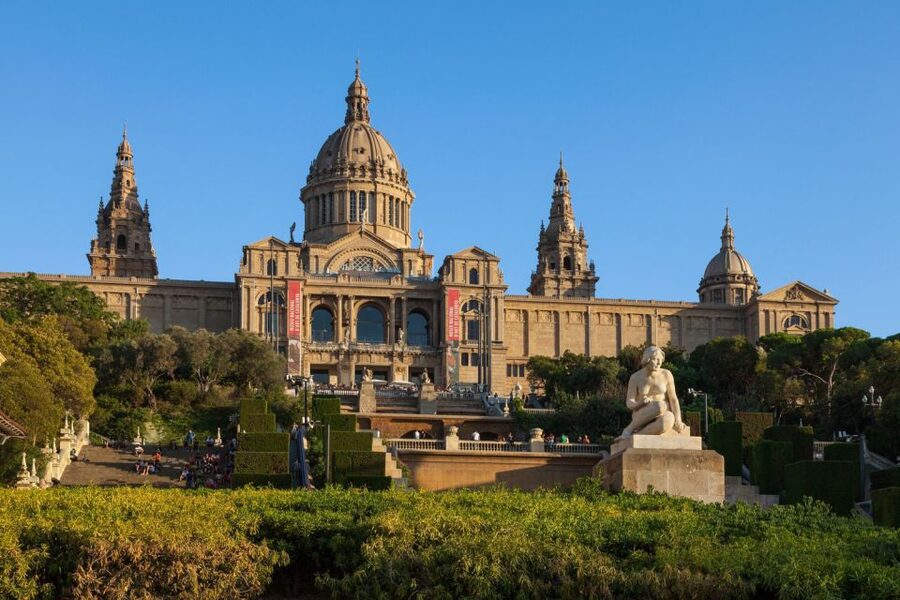
MNAC is displayed over two floors, and the circulation is designed so you are not stuck staring at one long corridor. That makes it friendly for first-time visitors, because you can choose how much depth you want.
Here is a practical way to think about the route.
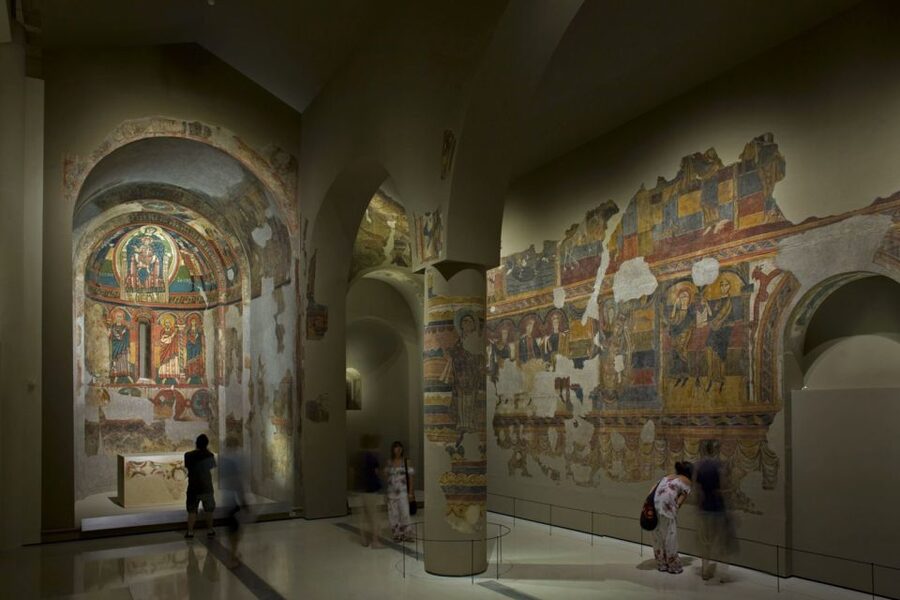
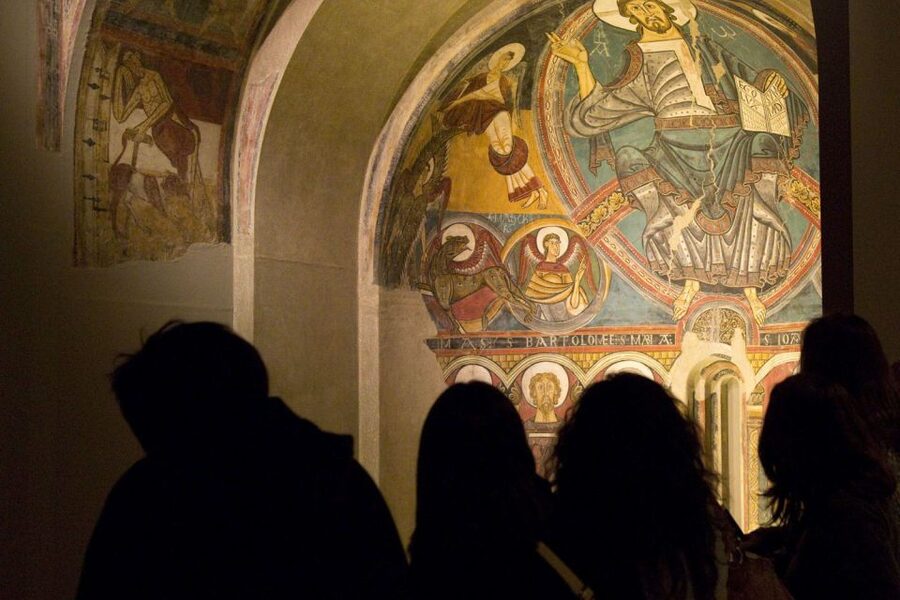
Start with the big themes the museum is known for. MNAC is famous for the finest collection of Romanesque mural paintings in the world. Even if Romanesque art is not your usual taste, the museum helps by presenting these murals as more than old images. You get a sense of how they were preserved and re-homed, which adds meaning to what you see.
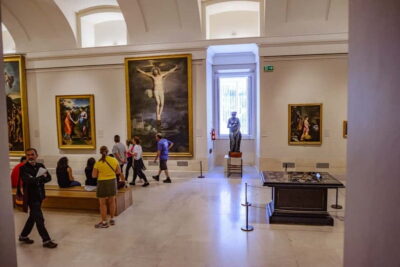
Then pivot into the European side of the collection. The museum highlights masterpieces tied to major Renaissance and Baroque artists. The information provided names Tiziano and Velázquez, along with other key figures. If you love painting technique, look for contrast in composition and lighting across time periods. If you prefer stories, focus on how the museum places Catalan collections next to broader European movements. That “side-by-side thinking” is where MNAC can feel unusually smart for a museum that is also very visitor-friendly.
As you move between floors, keep reminding yourself what you are doing. One floor is not a separate museum. It is part of the same flow, and the point is to let your eye compare styles. Some people can power through in under two hours, but if you want the feeling of actually seeing, plan more.
Catalan Modernism highlights, plus the artists to look for
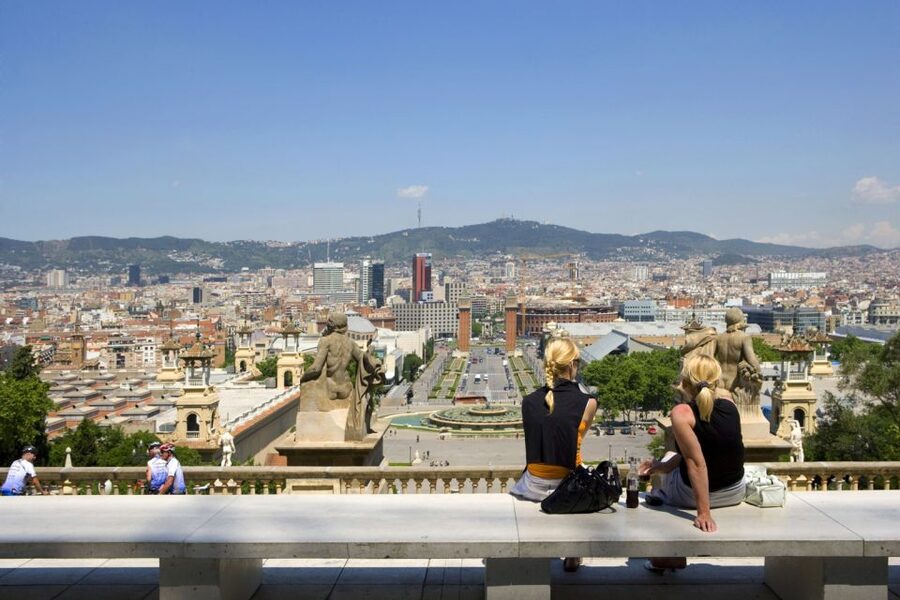
If you come to MNAC because you are into Catalonia, this is your section.
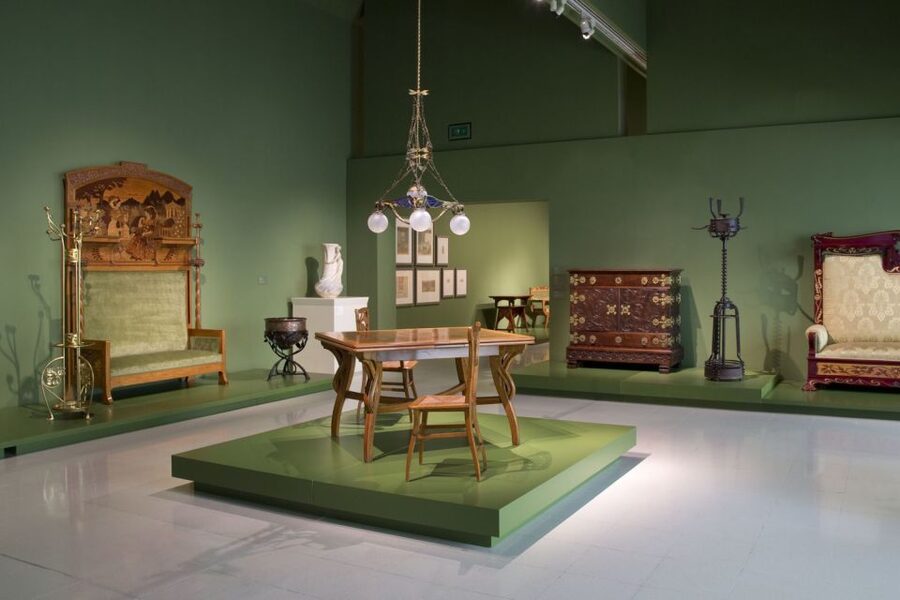
The museum shines with Catalan Modernism, and the provided highlights call out major names connected to the movement, including Gaudí and Casas. Even if you already saw Gaudí’s buildings around town, it is a different experience to see how the Modernist mindset shows up in art and painting. You start noticing themes of identity, form, and style in a new key.
I also like that the museum does not force you into a single “local only” box. It gives you a way to enjoy Catalan art while comparing it to European Renaissance and Baroque works elsewhere in the museum. That comparison is especially helpful if you do not want your day to feel like a checklist. You can focus on a theme like portraiture or drama in religious art, then bounce across time.
A practical tip: you will get more out of this section if you use the audio guide actively. The audio guide is not just translation, it is also your fastest way to understand what you are looking at without feeling lost.
Also within reach of Barcelona:
- Barcelona: Montjuïc Cable Car Roundtrip Ticket
★ 4.5 · 22,368 reviews - Barcelona: Hola Barcelona Public Transport Travel Card
★ 4.5 · 20,985 reviews - Barcelona: 24 or 48-Hour Hop-On Hop-Off Bus Tour
★ 4.4 · 20,872 reviews - Barcelona: Park Guell Guided Tour with Skip The Line Entry
★ 4.7 · 17,563 reviews
Photography in the mix, and how temporary exhibitions change your plan
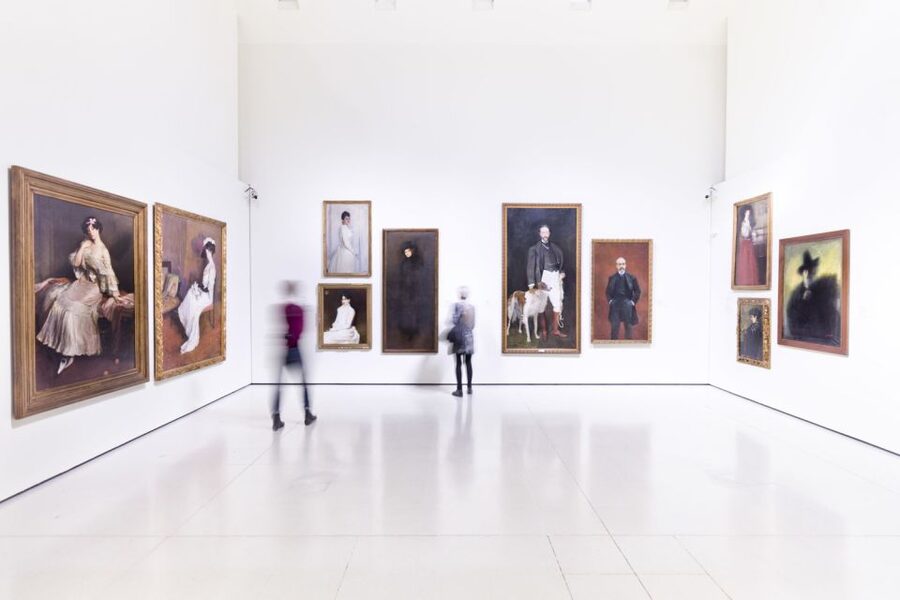
One detail people can miss is that MNAC also has a collection of photography. If your brain starts drifting when paintings get too academic, photography can reset your attention. It gives you a different visual language and often helps you connect the art to a more modern way of seeing.
Then there is the temporary exhibition. Your ticket includes one temporary show, so you can treat MNAC as a choose-your-own-day museum. If you feel energized, go slower through the permanent galleries and let the temporary section be a punchy payoff. If you are short on time, do the permanent highlights first, then use the temporary exhibit as your flexible “bonus.”
I find this mix helps especially on travel days when energy is uneven. Maybe you want two hours of art today, and three hours tomorrow. MNAC supports both approaches because the museum is not a single straight line. You can adjust without wasting your ticket.
Views and outdoor time when the rooftop is closed
MNAC is famous for its panoramic views over Barcelona from Montjuïc. That is one of the highlights that makes people tack on a museum stop to a day that already includes the city’s viewpoints.
Here is the catch. The terraces and rooftop are temporarily out of service due to the challenge of managing compliance with current health regulations. So if your dream plan includes a final sunset up on the roof, treat it as uncertain.
What you can do instead:
- Plan your day so you still enjoy the museum even if the view zone is limited
- Keep a little buffer time in case outdoor areas around the building are accessible in some form
- If you are photo-focused, bring a flexible mindset and get your “view photos” from whichever outdoor points are actually open during your visit
The good news is that even without rooftop access, the Palau Nacional setting still gives you a sense of Barcelona’s scale. The main value of MNAC is still inside, in the way the collection is presented and in the building that frames it.
Timing, comfort breaks, and avoiding the last-entry stress
For a museum like this, timing is not just convenience. It changes how you experience art.
Plan on at least a couple of hours. Based on visitor habits, some people take about 2+ hours, while others spend longer, even four hours, if they slow down and enjoy the full range. If you want a relaxed pace that includes breaks and photos, give yourself extra time and do not rely on squeezing everything into a tight slot.
Also pay attention to the clock mechanics:
- Ticket offices close 30 minutes before the museum closes
- Rooms are emptied 15 minutes before closing time
That means you should arrive earlier than you think, especially if you want time to get oriented and start your audio guide before you enter the key rooms.
Comfort matters too. There are places to buy snacks or take a breather on site, and reviews mention multiple cafes and calm seating areas. On the practical side, some visitors also point out that the toilets can feel small and cramped. So if you are the kind of person who hates rushing late in a museum visit, plan one early comfort break rather than waiting until you are tired.
Audio guide tips and why the languages matter
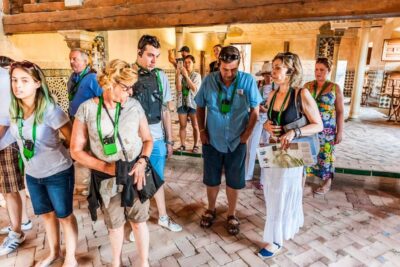
MNAC includes a smartphone audio guide app, and the language options listed are broad: Catalan, Spanish, English, French, German, Italian, Russian, Japanese, and Chinese. That is helpful because art museums sometimes feel unfriendly when the wall labels do not match what you read comfortably.
The audio guide comes with a clear reality check: you need headphones and a charged smartphone. Bring both. If you forget headphones, you lose one of the biggest advantages of doing MNAC self-guided.
Pick a language that you can listen to easily while walking. If you are switching between languages for convenience, remember that you might need time to re-select settings in the app. Also, audio quality can vary by language, and a small number of visitors have commented that one language voice was not as pleasant. So if audio comfort is important, choosing English or another language you trust can make your experience smoother.
Should you book this MNAC ticket?
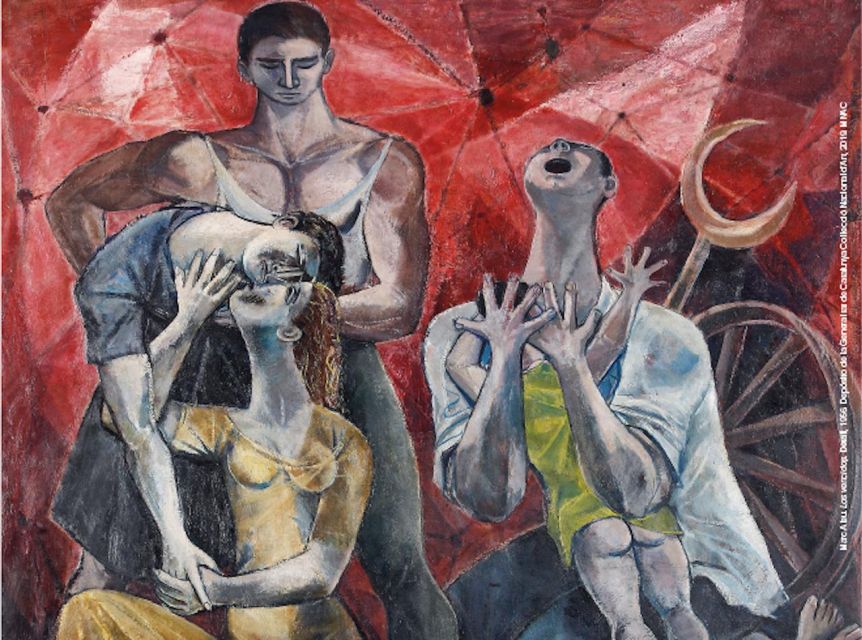
Book this MNAC ticket if you want a high-value museum day without the stress of planning a complicated tour. The price is modest for what you get: permanent collection plus a temporary exhibition, and an audio guide built into the visit. You also get the bonus of being on Montjuïc, where the city views are a real part of the experience when outdoor areas are available.
Skip or adjust expectations if rooftop and terrace views are a major part of your plan. Those areas are temporarily out of service right now, so come for the art first. If you are short on time, you may also need to pick your priorities, because rushing through two floors can make it feel like you are skimming instead of seeing.
If you like art that spans periods, and you want one stop that mixes Catalan identity with European painting, this is a strong choice.
FAQ
How much does the MNAC ticket cost?
The ticket costs $14 per person.
What’s included with the entrance ticket?
Your ticket includes admission to the permanent collection, admission to the temporary exhibition, and an audio guide app for your smartphone.
Does the ticket let me skip the line?
Yes, the ticket includes skip-the-ticket-line entry.
What languages are available for the audio guide?
The audio guide app includes Catalan, Spanish, English, French, German, Italian, Russian, Japanese, and Chinese.
What should I bring to use the audio guide?
Bring headphones and a charged smartphone.
Are the rooftop terraces available?
No, the terraces and rooftop are temporarily out of service due to the difficulty of managing and complying with current health regulations.
When is admission free?
Admission is free on Saturdays from 15:00 onwards, the first Sunday of each month, and on these dates: 12 February (Santa Eulàlia), 18 May (International day of Museums), 11 September (national day of Catalonia), and 24 September (Day of la Mercè).
Is the museum wheelchair accessible?
Yes, MNAC is wheelchair accessible.
Can I get a refund if I cancel?
Yes, you can cancel up to 24 hours in advance for a full refund.
Recently added around Barcelona
- Barcelona Grand 2-Hour Segway Tour★ 4.8 · 240 reviews
- Barcelona Insiders Segway Tour 1.5h★ 4.8 · 149 reviews
- From Barcelona: Girona and Costa Brava Day Tour★ 4.7 · 397 reviews
- Barcelona: Park Güell Guided Tour with Skip-The-Line Entry★ 3.6 · 124 reviews
- Gaudi’s Crypt in Colonia Güell with Audioguide★ 4.4 · 201 reviews
- Gaudí Experiència Barcelona Admission Ticket★ 4.0 · 516 reviews
- From Barcelona: Dalí Triangle and Cadaques Tour★ 4.8 · 207 reviews
- From Barcelona: Tossa de Mar Day Tour with Beach Time★ 4.9 · 306 reviews
Tickets, compared.
Sagrada Familia Entry Ticket with Audio Guide
Read our review →