Reviewed · TICKETS
Calasparra: Cueva del Puerto Entry Ticket with Guided Tour
Indiana Jones energy, minus the whip. This guided entry to Cueva del Puerto in Calasparra takes you 50 meters underground for a geology-focused walk, with bridges that swing your heartbeat into a new zone. Expect a route of galleries and natural formations, plus a guided visit to a luminescent minerals room.
I particularly love two things: the rush of those 20-meter bridges over the cave floor, and the way the guide makes the cave feel understandable, not just pretty. You’ll get a clear story about how water shaped the ceilings and walls over thousands of years, all while walking an illuminated, well paced route.
The main drawback to plan for is mental comfort: this tour is not suitable for claustrophobia, and there’s also a short flight of stairs along the route. If you’re even slightly uneasy in tight spaces, think carefully before you go.
In This Review
- Key things to know before you go
- Why Calasparra’s Cueva del Puerto feels different than most caves
- Meeting at the main entrance, then dropping into the cave world
- The 15-million-year galleries: how the walking route becomes the story
- That Antoni Gaudí gallery you won’t expect in a cave
- Bridges 20 meters high: when the adrenaline turns into a viewpoint
- Stalactites, water stories, and the shapes your brain can actually name
- The luminescent minerals room: why it’s more than a photo stop
- What it’s like with Spanish-only guides (and how to get the most)
- Warm clothing and damp air: what to bring for comfort
- Timing, group energy, and how long 1.5 hours feels underground
- Value for about $22: when a guided cave tour makes sense
- Who should book Cueva del Puerto, and who should skip it
- Should you book this Cueva del Puerto guided tour?
- FAQ
- How long is the Cueva del Puerto tour?
- Where do I meet the guide?
- What language is the guided tour in?
- How deep and how far do you walk during the tour?
- What should I bring or wear?
- Is it suitable for claustrophobia, and are pets allowed?
Key things to know before you go
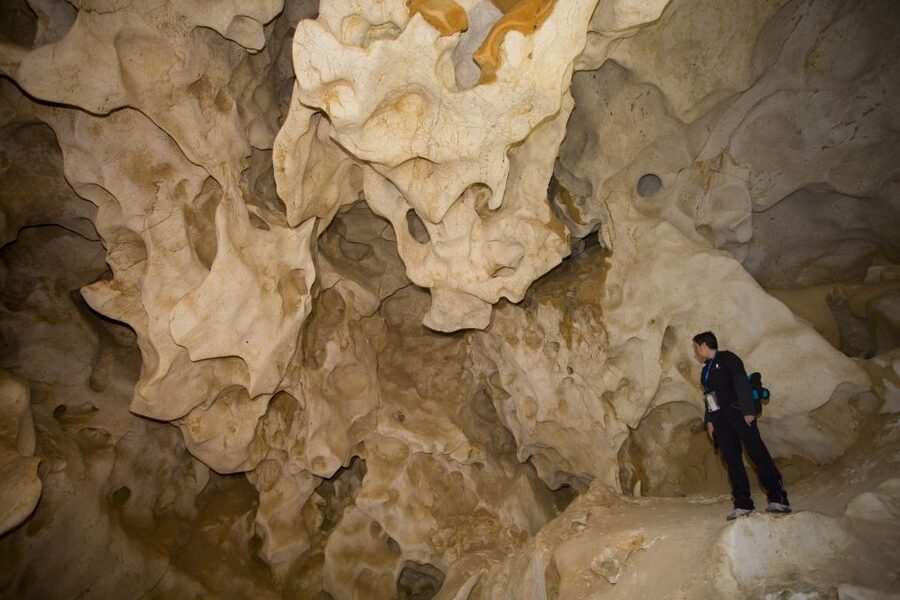
- 50 meters down and 700 meters of walking on well-lit walkways and bridges
- 20-meter-high bridges for an adrenaline hit that still feels safe and controlled
- Geology lessons that explain stalactites, shapes, and the role of water over time
- Antoni Gaudí named gallery, a fun detail for design fans
- The luminescent minerals room, where the cave’s minerals glow under lights
- Guides you might get are praised by name, including Manolo, Mavi, and Ana
Why Calasparra’s Cueva del Puerto feels different than most caves
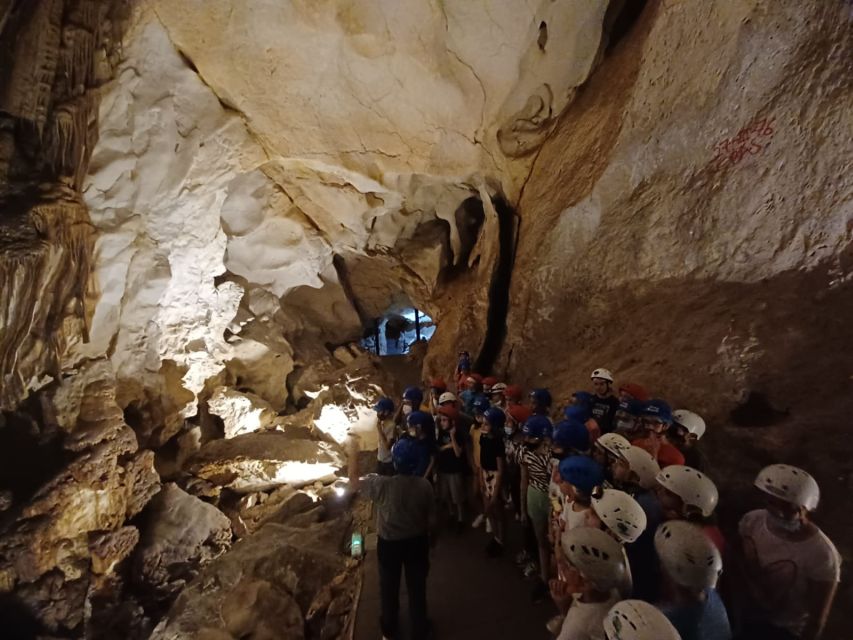
Cueva del Puerto is one of those rare cave tours where the underground doesn’t feel like a single long tunnel. The experience is built around movement, variety, and viewpoints. You’re not just looking at the cave from one spot. You keep walking through changing galleries, then you pop onto bridges that change your perspective completely.
What makes it especially memorable is the mix of geology and nerves. The cave’s formations are described in plain language, not lab-speak, so you start seeing patterns instead of random rock. And then you have those 20-meter crossings, where you look down and realize you’re suspended in a giant hollow world.
There’s also a nice balance between “wow” and “okay, I get it.” The LED lighting creates shadows and highlights that make formations look dramatic, but the guide gives you the why behind the shapes. The end result feels like a real adventure with explanations that stick.
Other days out near Spain
- Barcelona: Sagrada Familia Entry Ticket with Audio Guide
★ 4.6 · 105,312 reviews - Barcelona: Park Güell Admission Ticket
★ 4.4 · 76,534 reviews - Seville: Royal Alcázar Entry Ticket
★ 4.6 · 28,378 reviews
Meeting at the main entrance, then dropping into the cave world
You start by meeting your guide at the caves main entrance. From there, you’re set up for an orderly adventure: entry first, then descent. The tour takes you down 50 meters underground, which is a big shift in air feel and sound. It also helps the cave feel like a true separate world, not just a nearby attraction.
Once you’re inside, you’ll be on a guided route spread across about 700 meters. That distance matters because caves can be deceptive. Some routes feel short but drag. Here, the plan is built so you move, stop at points of interest, and then move again. You spend time looking up at ceilings and out toward walls, not just staring straight ahead.
If you like clarity, you’ll probably enjoy how the guide sets expectations early. You’ll hear how formations developed, and you’ll get the story of discovery, including that the cave network was discovered in 1966. It’s one of those details that turns your walk into a timeline, not only a photo stop.
One practical note for your comfort: the tour includes a short flight of stairs on the route. It’s not presented as a long climb, but it’s enough that closed-toe shoes matter.
The 15-million-year galleries: how the walking route becomes the story
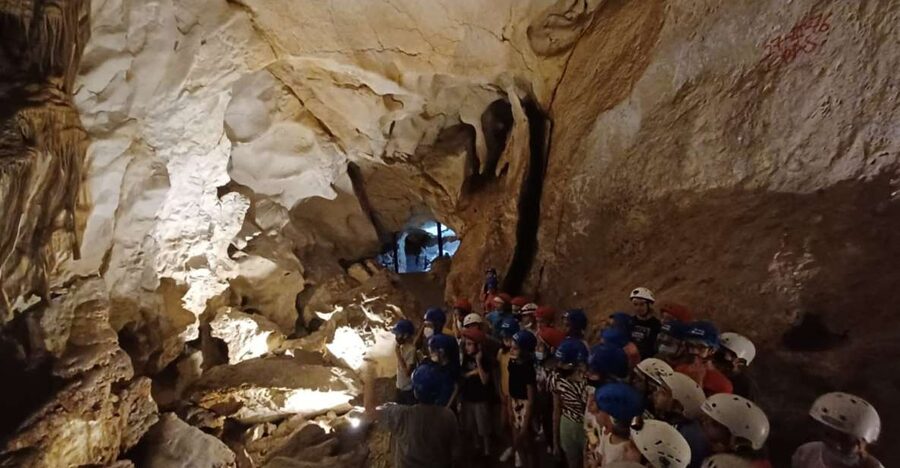
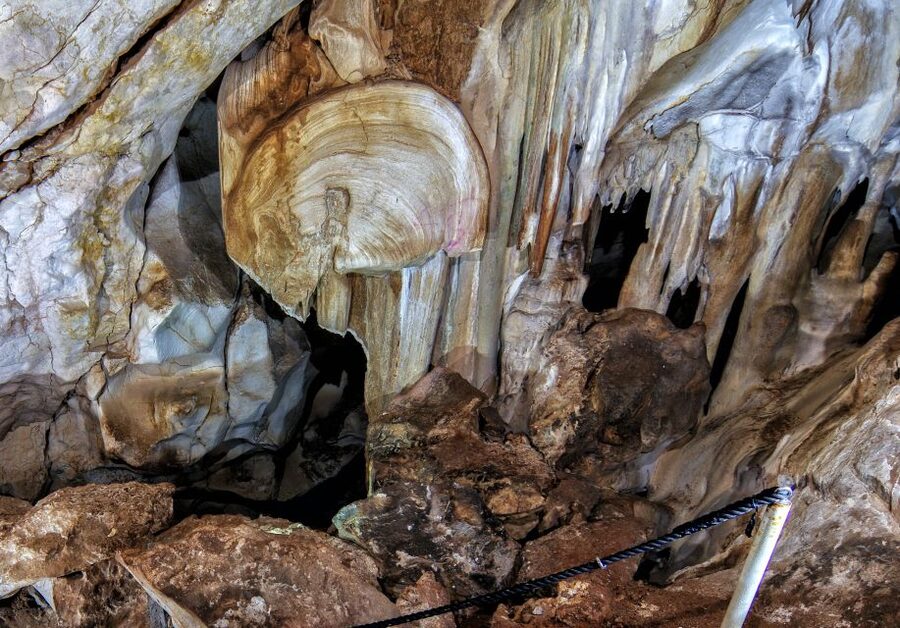
Cueva del Puerto is estimated to be around 15 million years old, and the tour route is arranged to let you experience that age through visible details. You’ll move through natural galleries where the ceilings and walls show sculpted shapes. Water made those shapes slowly, but the tour helps you spot clues that you might otherwise miss.
As you walk, you’ll notice formations the guide points out, including stalactites that resemble roots and smaller pieces that look a bit like popcorn. That kind of description isn’t gimmicky. It gives your brain a handle for what you’re seeing. Suddenly you’re not guessing what it is. You’re recognizing patterns.
The tour also leans into the idea of time. You’ll hear how water, over thousands of years, shaped the cave’s features. You’ll learn that the cave you’re standing in is really a record of slow chemistry and slow flow, not something that happened in a weekend.
And because the walk is on well-illuminated walkways and bridges, you can take your time. The LED lighting doesn’t replace darkness entirely, but it gives you enough light to see details and safely navigate. The shadows you see across the rock do something clever: they make formations look three-dimensional, even when the surface is rough and uneven.
That Antoni Gaudí gallery you won’t expect in a cave
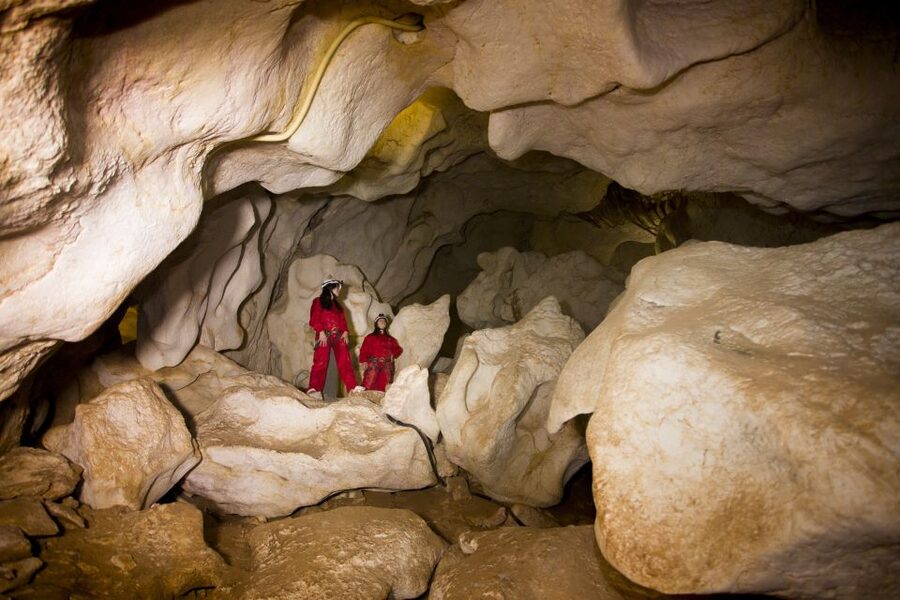
Here’s a detail that makes the whole experience feel playful: there’s a gallery named after Antoni Gaudí. It sounds like a marketing hook until you’re inside and you start connecting shapes to imagination. The guide’s explanations help you appreciate why the name fits, even if you’re not looking for a famous architect underground.
If you’re the kind of traveler who likes design details, you’ll enjoy this moment. It’s a reminder that caves are not only science. They’re also art your eyes can read, and people can interpret. A named gallery gives you a mental label that helps you remember what you saw.
Even if architecture is not your thing, the Gaudí reference is still useful. It nudges you to pay attention. You’ll look longer at certain formations and notice how lighting makes them stand out. That extra attention improves the whole cave visit, because the tour gets better the more you look.
Also within reach of Spain:
- Barcelona: Casa Batlló Entry with Self-Audioguide Tour
★ 4.7 · 25,359 reviews - Seville: Cathedral and La Giralda Entry Ticket
★ 4.5 · 24,592 reviews - Barcelona: Montjuïc Cable Car Roundtrip Ticket
★ 4.5 · 22,368 reviews - Madrid: Tour Bernabéu Entry Ticket
★ 4.5 · 21,573 reviews
Bridges 20 meters high: when the adrenaline turns into a viewpoint
The headline moment is crossing bridges around 20 meters above the cave floor. This is the point where the tour shifts from sightseeing to pure adrenaline.
The good news: the design of the route keeps you from feeling like you’re doing something unsafe. You’re guided and walking on purpose-built spans, with lighting that helps you orient yourself. The moment still hits emotionally, though. When you look down, you realize how tall the underground space is, and how far the cavern drops away.
Why it’s worth it: it changes your understanding of scale. In caves, scale is everything. From the ground, you often can’t tell whether a chamber is tall or just wide. From the bridge, you suddenly see height, depth, and the shape of the hollow beneath you.
You also get a different relationship with the lighting. LED illumination creates shadows that can make rock feel softer or sharper depending on your angle. On the bridges, your angle changes quickly, so those shadows shift with you. That makes the cave look almost alive.
If you’re afraid of heights, don’t ignore this. But if you can handle a controlled height moment, it’s one of the best parts of the tour.
Stalactites, water stories, and the shapes your brain can actually name
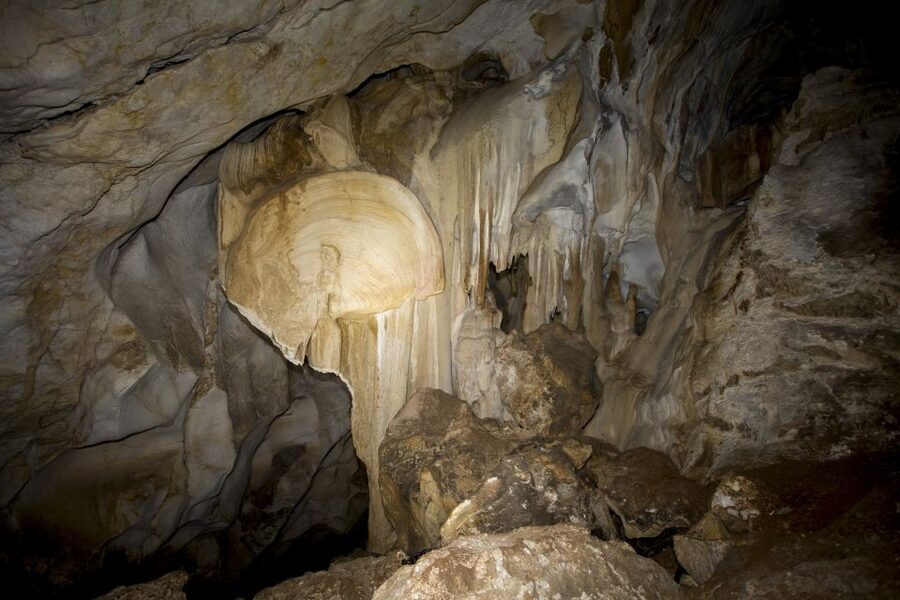
One of the most satisfying aspects of the guided route is how the guide turns shapes into language. Instead of only pointing at rock, you’ll hear how water formed the patterns over time. The guide talks about how these formations developed, and you’ll connect that explanation to what you see in front of you.
The tour’s descriptions of formations help you move from “I see rocks” to “I see results.” That root-like stalactite effect, and the popcorn-like formations, are examples of how your brain can recognize familiar textures. Once you recognize them, you start seeing other details too, like where the rock transitions in color or where the ceiling looks thicker.
As you listen, you’ll also hear the story of discovery from 1966. That kind of detail makes the cave feel human in the best way. Before the discovery, it was simply underground reality. After, it became a place with paths, guides, and visitors.
This is also where the group experience helps. If you’re with others, the guide’s pacing and announcements keep everyone aligned at the same viewing points. You won’t be left behind staring at the same wall while the group vanishes down a corridor.
The luminescent minerals room: why it’s more than a photo stop
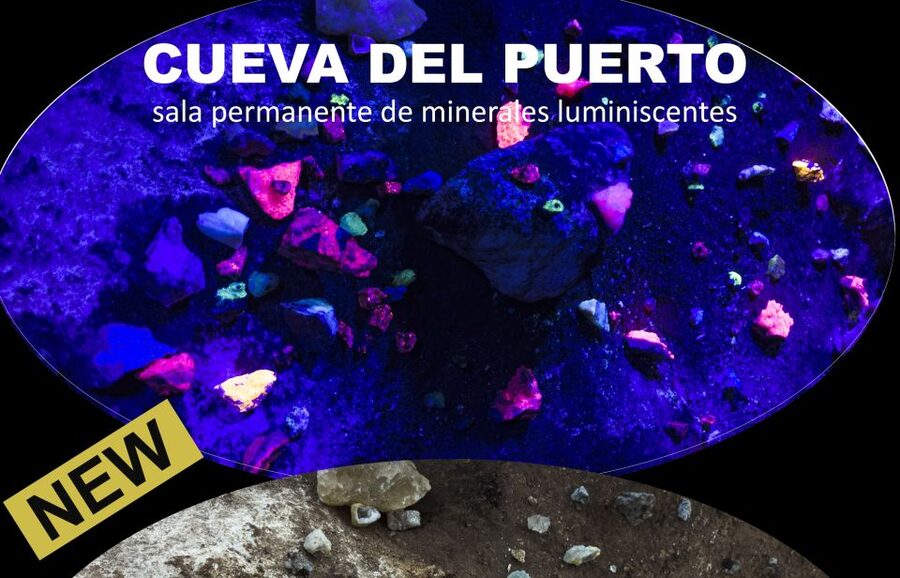
The tour doesn’t end at the most dramatic chamber. It continues to a luminescent minerals room, which is the final highlight. This is where the cave becomes visibly playful. Minerals under specific lighting glow in a way that feels otherworldly compared with the darker cave sections.
What you should expect: glowing minerals, plus a guided explanation of what you’re seeing. The lighting makes it easy to focus, and it gives your eyes a break from constant texture-watching. After all those shadows and rock forms, the glow stands out as a different kind of wonder.
This room also changes the emotional tone of the visit. Earlier, the adrenaline and scale dominate. In the minerals room, attention narrows. You start noticing color and brightness, and you understand why the LED lighting is part of the experience, not just for safety.
If you care about photos, this is your moment. Glowing minerals are much easier to photograph than flat stone walls, and the room helps you get images that actually show what made the cave special.
What it’s like with Spanish-only guides (and how to get the most)
The tour uses a live guide in Spanish. That’s a simple detail, but it shapes your experience. Even if your Spanish is basic, you can still follow because cave tours rely on gestures, pacing, and clear references to what you’re standing in front of.
The best part is that the guide’s explanations are a key part of why the experience earns such strong marks. You might meet guides such as Manolo, Mavi, or Ana, and the praise tends to focus on how complete the tour feels and how well the guide explains how rooms form.
If you want to maximize your enjoyment, do this quick trick before you arrive: learn a few cave words in Spanish, like cueva, estalactita, and minerals. You’ll be amazed how much that boosts your understanding once the guide starts pointing and naming.
Warm clothing and damp air: what to bring for comfort
The tour asks you to bring warm clothing and wear closed-toe shoes. That matters because caves tend to be cooler than the outside world and because the air can feel humid.
One helpful tip from the experience itself: even with warm clothing suggested, it can still feel warm and very humid during your visit. The cave temperature is managed well, but humidity is part of the deal. Plan to wear a layer that handles dampness without getting uncomfortable.
Also expect a short flight of stairs on the route. It’s not a long hike, but don’t wear shoes that are slippery or hard to walk in for uneven surfaces.
And if you’re traveling with pets, note that pets are not allowed. If you’re visiting with a dog or cat, you’ll need an alternative plan.
Timing, group energy, and how long 1.5 hours feels underground
This experience runs about 1.5 hours. That sounds short until you’re walking underground, pausing for viewpoints, and stopping to look at formations.
In practice, 90 minutes is a sweet spot. It’s long enough for multiple galleries and a real sense of progression, but not so long that you start feeling tired from the damp air and constant attention. You’ll get the bridge moment, the explanation-heavy parts, and the minerals room without the tour dragging.
It also helps that the route is well-illuminated and built for walking. You’re not doing a scramble or navigating in total darkness. You can keep your focus on seeing and listening, not on worrying where your feet go next.
If you’re building a day in the Murcia region around this, try not to stack too many “must-dos” right before or after. You’ll want a little margin to decompress once you pop back outside.
Value for about $22: when a guided cave tour makes sense
At around $22 per person for entry with a guided tour, the value comes from how the experience is structured. You’re not paying only for access to a cave room. You’re paying for an expert guide who explains geology, formations, and how water shaped the underground network over time.
In a cave, “seeing” without “understanding” is easy. What you’re buying here is the translator between the rocks and your eyes. That’s why the tour is worth it even if you’ve seen other caves in Europe. The bridge crossings and luminescent minerals room add spectacle, but the guide adds meaning.
You’re also getting about 1.5 hours of actual walking and multiple stops across a route of around 700 meters. That’s not a quick peek through a single chamber. It feels like a complete, guided underground tour.
One more small comfort: there is bar service after the tour, which is exactly what you might crave once you come back up and feel how long you’ve been underground.
Who should book Cueva del Puerto, and who should skip it
This tour is a strong fit if you want an active cave experience with real variety: bridge viewpoints, formation explanations, and a luminescent minerals room. If you like geology but don’t want a lecture, the guide-led style usually hits the sweet spot.
It’s also a great option for couples, friends, and families who can handle moderate walking. The route is designed for guided walking, and the timing keeps it manageable.
You should skip or rethink it if you have claustrophobia, even if you think you can “tough it out.” Caves can feel enclosed and the tour runs through underground galleries where you’re surrounded by rock. It’s not the type of environment to test yourself.
If you have a fear of heights, decide based on your own comfort. The bridge moment is the big adrenaline point, and you’ll be at a significant height above the floor.
Should you book this Cueva del Puerto guided tour?
Book it if you want a cave visit that’s more than standing in one spot. The route design, bridges around 20 meters high, and the luminescent minerals room make it feel like a true underground adventure, and the guide’s explanations turn the walk into something you remember.
Skip it if tight spaces worry you, or if you know you’ll freeze at heights. Otherwise, this is a smart, good-value way to experience the Murcia region underground, with a lively sense of discovery and a guide who helps you see the cave’s story instead of just its shapes.
FAQ
How long is the Cueva del Puerto tour?
The tour lasts about 1.5 hours.
Where do I meet the guide?
Meet your guide at the main entrance of the caves.
What language is the guided tour in?
The live guide provides the tour in Spanish.
How deep and how far do you walk during the tour?
You descend about 50 meters underground, and the route covers roughly 700 meters of galleries.
What should I bring or wear?
Bring warm clothing and wear closed-toe shoes.
Is it suitable for claustrophobia, and are pets allowed?
The tour is not suitable for people with claustrophobia, and pets are not allowed.
Recently added around Spain
- Electric Bike Tour with 2 Options to Explore Granada★ 4.8 · 122 reviews
- Granada: Cathedral of Granada Entry Ticket★ 4.5 · 360 reviews
- Granada: 3-Hour Cathedral and Royal Chapel Tour★ 4.8 · 405 reviews
- Granada: Cathedral, Royal Chapel & 5 Monuments Combo Ticket★ 4.4 · 454 reviews
- Granada: Cathedral and Royal Chapel Private tour with ticket★ 4.8 · 498 reviews
- Granada: Basilica of San Juan de Dios Ticket & Audio Guide★ 4.6 · 336 reviews
- Granada: Alhambra Guided Tour with Nasrid Palaces★ 4.6 · 164 reviews
- Granada: Alhambra Night Visit Entry Ticket★ 3.5 · 478 reviews
Tickets, compared.
Sagrada Familia Entry Ticket with Audio Guide
Read our review →