
Reviewed · CORDOBA TOURS & ACTIVITIES
Córdoba: Guided Tour Medina Azahara at Dusk
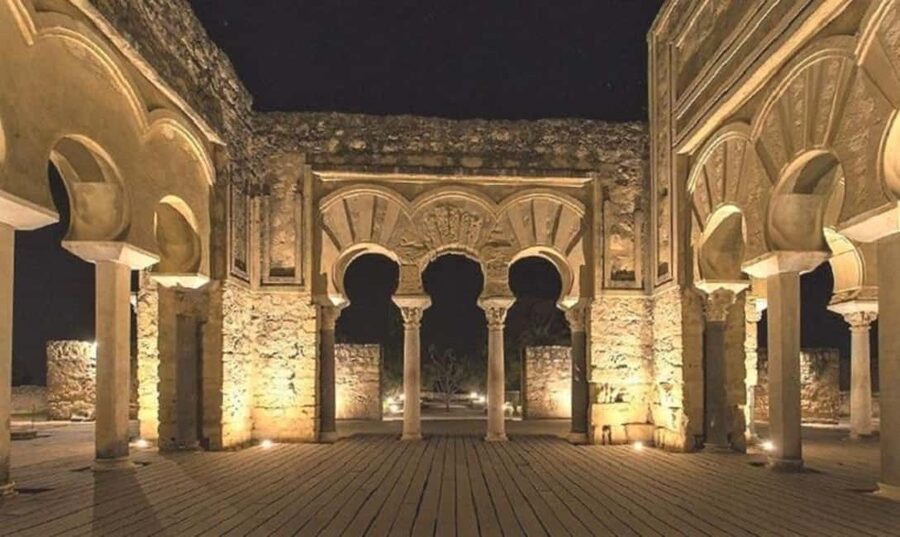
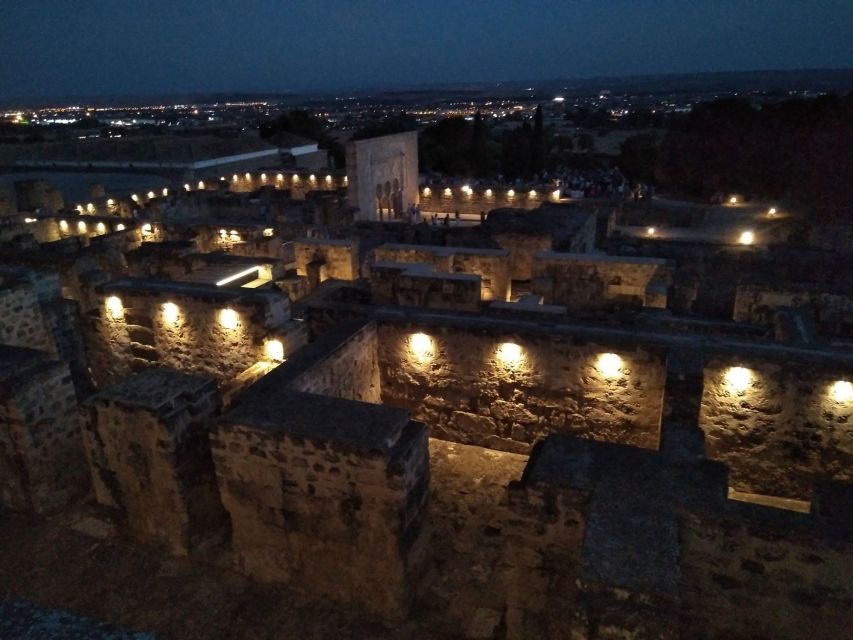
Córdoba glows, and Medina Azahara comes alive. This dusk guided visit takes you about 8 km from the city to Medina Azahara, a UNESCO World Heritage Site recognized in 2018, built in the 10th century under Abderraman III. You get the ruins in their best light, literally, with the area and the surrounding city illuminated.
I love how the tour moves beyond stone and dates, with guides who explain what you are seeing and why it mattered to court life. You will also get a focused walk through the remains of palaces, grand entrances, and gardens without feeling rushed. One thing to keep in mind: at dusk, lighting can be uneven in certain spots, so bring comfortable shoes and be ready to slow down.
In This Review
- Key highlights to know before you go
- Why Medina Azahara at dusk feels different
- UNESCO grounds, 8 km from Córdoba, and the shuttle you should plan for
- Meeting at the main door: how the tour gets going
- Palaces, grand entrances, and gardens in a guided 2-hour loop
- The first views, and why they set the tone
- Grand entrances: where you sense ceremony
- Palaces: understanding fragments without losing the plot
- Gardens: why they belong in the same conversation
- Hearing your guide: Spanish narration and radio headsets
- What dusk means for your feet and the uneven light
- Price and value: what $15 gets you (and what to watch)
- Who this dusk tour suits best, and who should skip it
- A note on the guide experience and the “thread” factor
- Should you book this guided dusk tour of Medina Azahara?
- FAQ
- How long is the guided tour of Medina Azahara at dusk?
- Is the tour in English?
- Is the shuttle bus included from parking to the archaeological site?
- What is included in the ticket price?
- Will I be able to skip the ticket line?
- What should I bring for an evening visit?
- Is the tour suitable for people with limited mobility?
Key highlights to know before you go
- UNESCO World Heritage Site (2018), tied to Córdoba’s 10th-century peak under Abderraman III
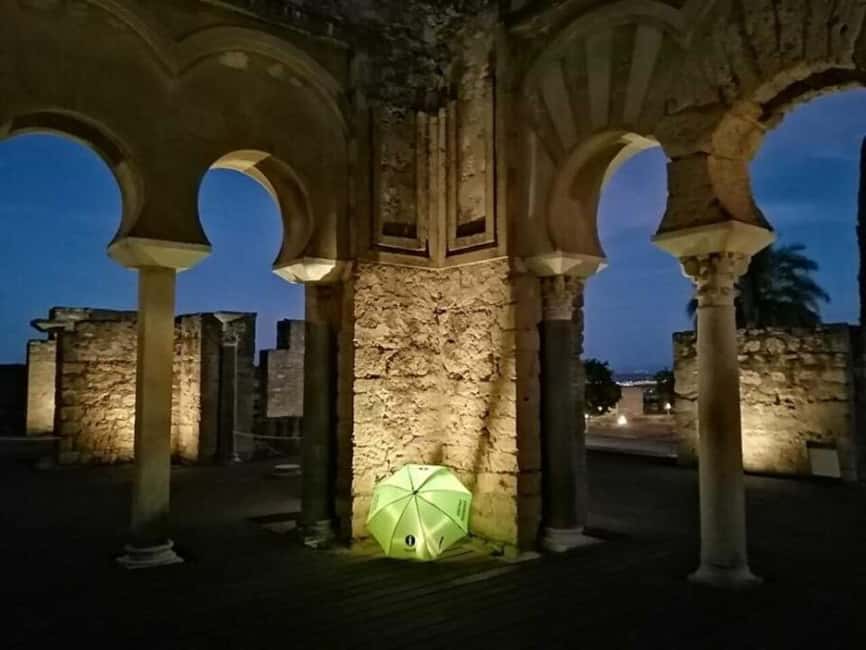
- Dusk illumination that makes the palaces and gardens feel more real
- Main-door start where your guide sets the story right at the archaeological entrance
- A 2-hour guided narrative focused on palaces, entrances, and gardens
- Spanish guide with radio headsets for larger groups so you can actually hear the explanations
- Skip-the-ticket-line so you spend more time where it matters
Why Medina Azahara at dusk feels different
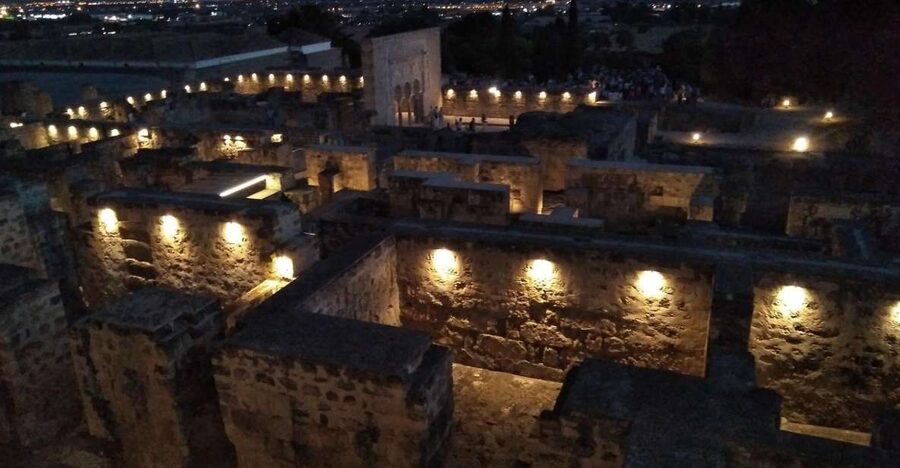
Night makes ruins easier to understand. Not because the stones magically get taller, but because dusk changes how your eyes connect the dots. You look at the remains of a 10th-century court city and the lighting helps your brain build the missing pieces, like rooflines, courtyards, and the idea of water moving through gardens.
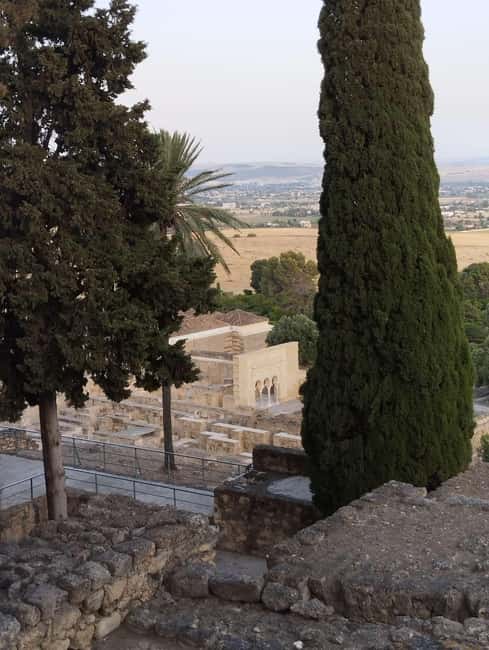
And you get the extra bonus of the wider setting. Part of the charm of a dusk visit is that Córdoba is still there in the background, and the evening glow adds scale. When you are 8 km from the center, you start to grasp how this site was designed to feel removed, formal, and important.
Other days out near Cordoba
- Córdoba: Skip-the-Ticket-Line Mosque-Cathedral Guided Tour
★ 4.6 · 9,634 reviews - Cordoba Mosque-Cathedral: Skip-the-Line Guided Tour
★ 4.7 · 6,610 reviews - Córdoba: Jewish Quarter, Mosque, and Alcázar Tour
★ 4.6 · 5,143 reviews
UNESCO grounds, 8 km from Córdoba, and the shuttle you should plan for
Medina Azahara sits outside Córdoba, about 8 km from the center. That distance matters because it shapes the whole experience: you are not just adding a stop to a city walk. You are going out to a specific place where the archaeological remains are the main event.
Transportation is simple, but there is one detail you should not ignore. The tour ticket does not include a shuttle bus from the parking to the archaeological site. If you arrive by car or plan to use parking close to the area, you will want a clear plan for how you will reach the entrance when the light is fading. If you are someone who hates last-minute logistics, take five minutes before you leave and map out that final approach.
Meeting at the main door: how the tour gets going
The tour experience starts with your guide waiting for you at the main door of the archaeological site. That small detail helps. Instead of wandering in with a loose plan, you begin with context immediately, so your first views of the palaces and entrances make sense right away.
From there, the guide’s job is to turn the site into a story. You are exploring the remains of an opulent city built by Abderraman III in the 10th century. And the way the tour is designed, you do not just see random walls. You are guided through the kinds of spaces that would have shaped daily court life, power, and ceremony.
It also matters that your guide is a Spanish-speaking historian-type who helps you “discover secrets.” That is not marketing fluff. When you are looking at fragmented remains, a good guide gives you the threads that hold the visit together: what the area likely was for, how it would have functioned, and why the design was so intentional.
Palaces, grand entrances, and gardens in a guided 2-hour loop
This is a 2-hour guided visit, listed around 150 minutes. That length is a sweet spot for Medina Azahara. Long enough to feel like you’re actually inside the place, short enough that dusk stays comfortable rather than chaotic.
Here is how I’d think about what you will do once the tour starts:
Also within reach of Cordoba:
- Cordoba: Mosque-Cathedral E-Ticket with Audio Guide
★ 4.1 · 2,895 reviews - Cordoba: Equestrian Show General Entry
★ 4.5 · 2,333 reviews - Cordoba Mosque & Jewish Quarter Tour with Tickets
★ 4.6 · 1,996 reviews - Cordoba: Alcazar Guided Tour and Skip-the-Line Ticket
★ 4.2 · 1,792 reviews
The first views, and why they set the tone
When you enter the archaeological area with a guide, your first stop is about orientation. You learn what you are looking at and how to interpret it. This is especially helpful at night, because shadows can hide shape. If you know what the grand entrance is supposed to represent, you can spot its significance even when it is only partially preserved.
Grand entrances: where you sense ceremony
Grand entrances are more than decorative. In a royal complex, they are part of the choreography of power. As you move through the remains, you start to see how you would have approached, slowed down, and shifted from outside world to controlled court space. If you like architecture that tells a story, this is where the tour clicks.
Palaces: understanding fragments without losing the plot
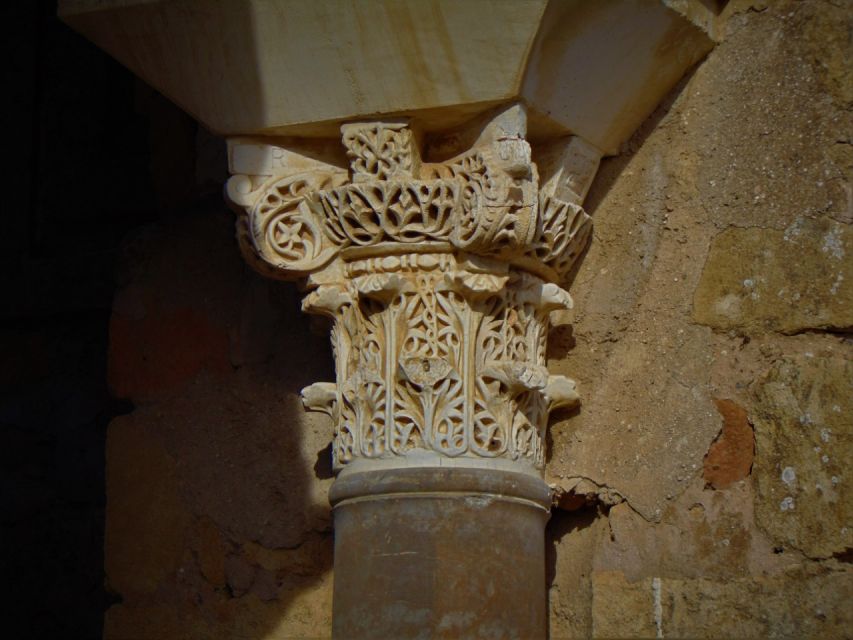
Medina Azahara is a site of remains, not a fully restored palace you can walk through like a museum. That can be frustrating if you show up with zero context. A good Spanish guide changes that. You learn to read the stone as evidence, and you hear explanations that connect the palaces to the broader Abderraman III era.
Gardens: why they belong in the same conversation
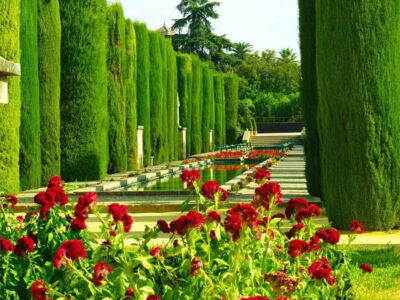
Gardens might sound like a bonus, but on a court site they are political and social. Even in ruins, you can understand how gardens were part of leisure, display, and movement through the complex. By the time you reach the garden areas on the walk, you are no longer just looking at structures. You are thinking about how the city would have felt in real life.
Hearing your guide: Spanish narration and radio headsets
The tour is in Spanish only. If you are not comfortable with Spanish, this is the part where you should pause and be honest with yourself. The benefit is that everything is structured. You are not relying on guesswork or reading signs you might not fully understand.
Good news if you are traveling with a larger group: you get radio guides if the group is over 10 people. That matters at dusk because wind, footsteps, and distance can make normal voice explanations hard to follow. The radio setup helps you stay connected to what the guide is pointing out.
One practical tip: keep your attention on the guide when they stop. With headsets, it is easy to hear, but it is still on you to look at what they are describing. Treat each pause like a mini lesson.
What dusk means for your feet and the uneven light
Bring comfortable shoes. This is not a “pretty benches and easy stroll” situation. Archaeological grounds can be uneven, and moving slower is smarter than rushing.
Also bring water. Even though it is evening, you are still walking and concentrating, and that takes energy. If you are the type who forgets water until you are thirsty, you will thank yourself later.
Now the key dusk consideration: lighting can be uneven in certain points. The good part is that evening is part of the appeal. The practical part is that your phone flashlight should not be your only safety plan. Watch your step, especially around areas where the ground is darker or where shadows hide edges.
And if you wear anything slippery, rethink it. You want sure footing more than fashion.
Price and value: what $15 gets you (and what to watch)
At around $15 per person for a 2-hour guided experience, this is one of those deals that makes sense if you value interpretation. You are paying for more than entry into a site. You are getting:
- a tour ticket
- a Spanish guide
- radio guides for groups over 10
- skip-the-ticket-line access
That combination is where the value shows. Skipping the ticket line helps you start on time, which is important for dusk tours. The guide and headset option are what make a UNESCO archaeological site feel coherent rather than like a scatter of walls.
What is not included is the shuttle bus from the parking to the archaeological site. That is the one “gotcha” to budget for, even if you are not sure you will need it. If you plan to drive and park, factor in how you will get to the entrance area at dusk.
In short, if you want a guided evening that turns ruins into an understandable court-city story, the price is reasonable. If you only want independent wandering, you might feel differently. This tour is built for people who enjoy narration and structure.
Who this dusk tour suits best, and who should skip it
This is best for you if you:
- enjoy architecture and historical context
- like guided explanations rather than walking on your own
- want the site in an evening mood with the city illuminated in the background
- are comfortable with Spanish narration
It is not recommended for people with limited mobility. The tour involves walking on an archaeological site, and at dusk conditions can be tougher. If mobility is a question, I would treat this as a firm no, even if you are tempted by the beautiful evening setting.
A note on the guide experience and the “thread” factor
The guides are a huge part of the success of this tour. In past outings, names like María, Cristina, and Rocío show up with consistent praise for clear explanations, patience with questions, and building a continuous storyline from start to finish. That is exactly what you want at Medina Azahara.
Here is why. The site can feel like fragments. A strong guide does the mental work for you. They connect palace remains to the larger Abderraman III vision. They point out what matters and explain how it fits. You do not leave with just photos. You leave with understanding.
If you are the type who always asks what something was used for, this tour format is a good match.
Should you book this guided dusk tour of Medina Azahara?
Book it if you want an evening visit where the setting and the explanation work together. The dusk illumination, the guided pacing, and the focus on palaces, grand entrances, and gardens are a very effective way to experience Medina Azahara in about 150 minutes. And if Spanish is not an issue for you, the radio headsets in larger groups are a smart bonus.
Skip or rethink it if you need mobility support or if Spanish-only narration would make you feel lost. Also, if uneven night lighting makes you anxious, know that you are choosing dusk on purpose. Plan for slower steps and better shoes.
If you check those boxes, this is a solid value way to spend an evening outside Córdoba, with the UNESCO site of Medina Azahara turning into something you can actually picture.
FAQ
How long is the guided tour of Medina Azahara at dusk?
The tour lasts about 2 hours to 150 minutes. Starting times vary, so check availability for the specific evening slot you want.
Is the tour in English?
No. The tour is only available in Spanish.
Is the shuttle bus included from parking to the archaeological site?
No. The shuttle bus from the parking to the archaeological site is not included.
What is included in the ticket price?
You get the tour ticket, a Spanish guide, and radio guides if your group is larger than 10 people.
Will I be able to skip the ticket line?
Yes. The experience includes skip-the-ticket-line entry.
What should I bring for an evening visit?
Comfortable shoes and a bottle of water are recommended, especially since you are walking at dusk.
Is the tour suitable for people with limited mobility?
No, it is not recommended for people with limited mobility.
Recently added around Cordoba
- Cordoba: Half-Day Medina Azahara Guided Tour★ 4.6 · 288 reviews
- Cordoba: Guided Tour of Medina Azahara at Night★ 4.5 · 92 reviews
- Cordóba: Gardens & Fortress of Catholic Monarchs Guided Tour★ 4.3 · 336 reviews
- Extra Virgin Olive oil tasting★ 4.9 · 79 reviews
- Cordoba: Medina Azahara Museum and Archaeological Site Tour★ 4.8 · 199 reviews
- Córdoba: Viana Palace Gardens and Patios Entry Ticket★ 4.5 · 880 reviews
- Córdoba: Tablao Flamenco at Doble de Cepa with Optional Meal★ 4.4 · 197 reviews
- Cordoba: 3-Hour Private Tour★ 4.9 · 80 reviews
Cordoba Tours & Activities, compared.
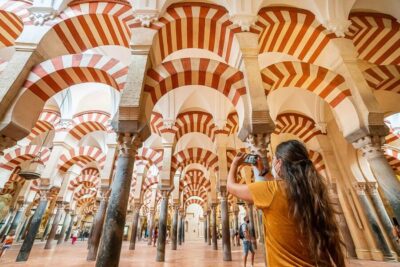
Skip-the-Ticket-Line Mosque-Cathedral Guided Tour
Read our review →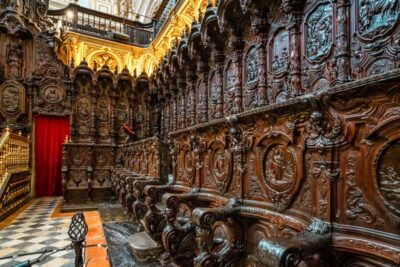
Cordoba Mosque-Cathedral: Skip-the-Line Guided Tour
Read our review →

Cordoba Mosque & Jewish Quarter Tour with Tickets
Read our review →
Mosque-Cathedral, Jewish Quarter and Alcázar Tour
Read our review →Browse the lists this tour appears in