
Reviewed · CORDOBA TOURS & ACTIVITIES
Córdoba: Guided Tour of the Patios
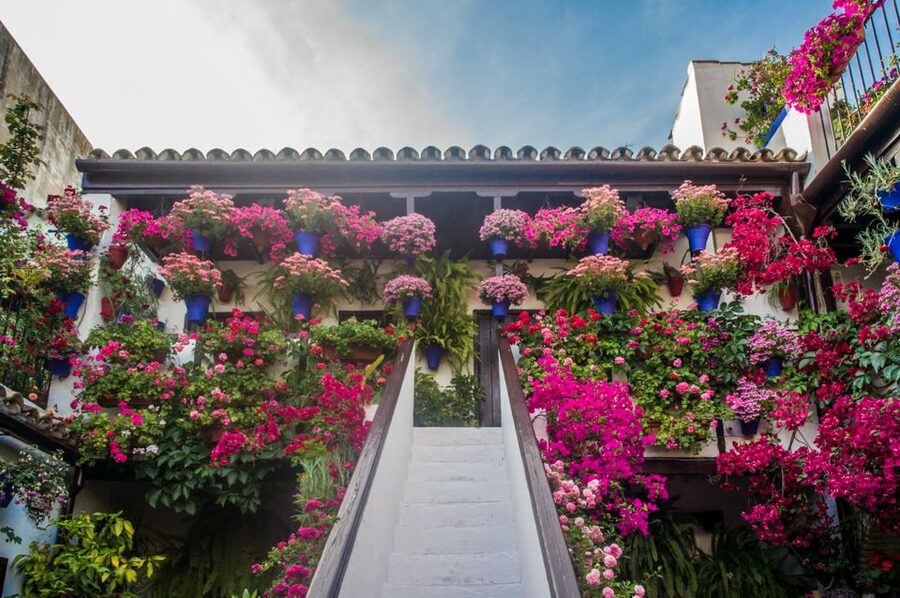
Córdoba patios tell a story. On this 1.5 hour guided walk, I love how the guide links what you see in the courtyards to how the tradition grew over time. You also get the sights, the smells, and the sense that these spaces matter to real people, not just to visitors.
Two stand-out things I liked: seeing multiple private patio spaces up close, and hearing how the tradition connects back to Córdoba’s Roman-era origins in Hispania Baetica. One possible drawback to plan for is that it can feel busy, especially around the May season, so time inside each courtyard may feel a bit tight.
In This Review
- Key highlights I’d prioritize
- Córdoba patios, guided: where flowers meet history
- Meeting the patios at the right door
- What you’ll actually see: a selection of popular patios
- The Roman-to-modern story the guide connects for you
- Why UNESCO recognized patios tied to May flowers
- The patio as a social ritual, not just a garden
- Guides that make the story click
- The pace: short tour, lots of stops
- Value check: is $23 per person worth it?
- Best time to go: before and during May
- Who this tour fits best, and who might not love it
- Should you book this Córdoba patios tour?
- FAQ
- How long is the Córdoba patios guided tour?
- Where do I meet my guide?
- What languages are offered?
- What’s included in the price?
- Can I cancel for a refund?
- Is there a pay-later option?
Key highlights I’d prioritize
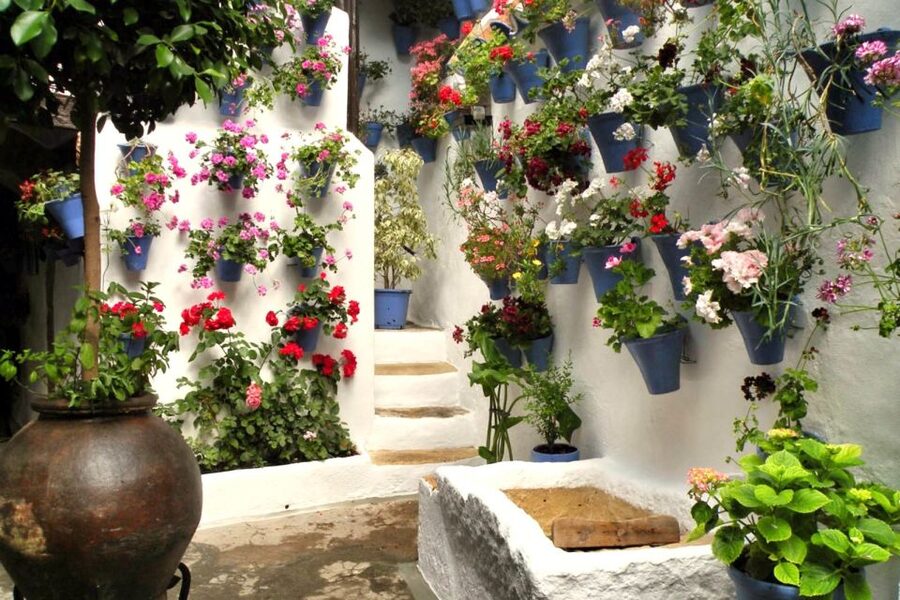
- UNESCO-linked May flower tradition you can actually witness in real courtyards
- Roman origins explained so the patios feel less like decoration and more like design
- Entry behind usually closed doors gives you the real Cordoban version, not just street views
- Small-group feel that keeps you moving and helps the guide answer questions
- Local rapport with patio owners which makes the stories and pride come through
- Scent, shade, and cooling logic so you understand why the patios look the way they do
Córdoba patios, guided: where flowers meet history
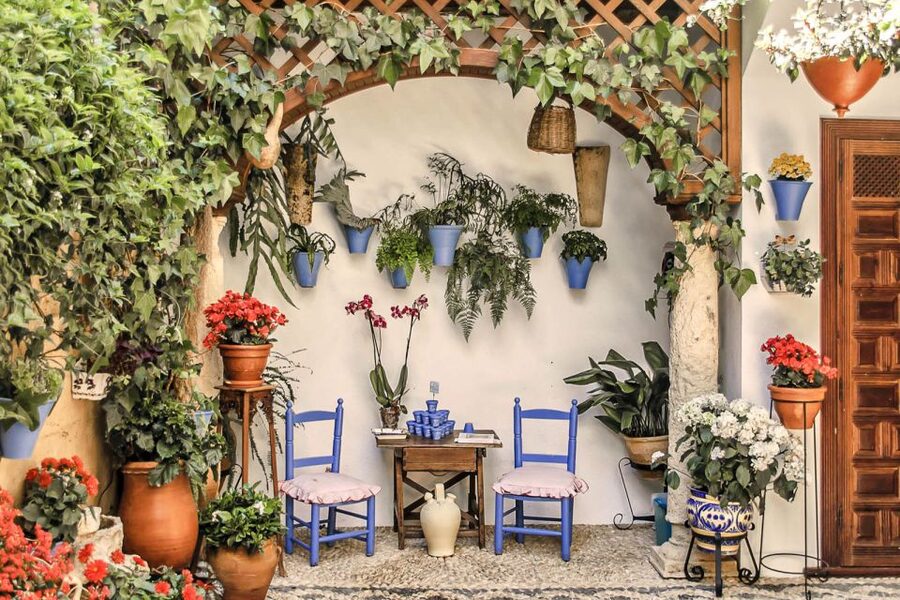
If you only know Córdoba from its big-ticket sights, the patios add a different kind of magic. This tour focuses on the everyday architecture and the living objects inside it: potted plants, flowering displays, and the shared geometry of Andalusian homes built around a central open space. Even if you’re not a plant person, the effect is immediate once you step into the kind of quiet where you can hear water, leaves, and people talking softly from behind a doorway.
The best part is that you do not just get pretty pictures. You get context. A good guide turns the patio from a static postcard into something practical and social, shaped by climate, community habits, and long local memory. I particularly like how the tour frames the patio as a response to heat and light, not only as a beauty competition.
Other days out near Cordoba
- Córdoba: Skip-the-Ticket-Line Mosque-Cathedral Guided Tour
★ 4.6 · 9,634 reviews - Cordoba Mosque-Cathedral: Skip-the-Line Guided Tour
★ 4.7 · 6,610 reviews - Córdoba: Jewish Quarter, Mosque, and Alcázar Tour
★ 4.6 · 5,143 reviews
Meeting the patios at the right door
The logistics are simple, but the meeting point matters because the whole experience depends on moving efficiently from one courtyard to the next.
You meet at the main door of the Caballerizas Reales (Royal Stables). You should not go inside. Wait outside for your guide to arrive. If you’re visiting between May 5th to 18th, the meeting point changes to the main door of the Town Hall of Córdoba, in Capitulares street. That small switch is worth double-checking so you don’t lose time when crowds are already thick.
Duration is about 1.5 hours, and it’s a walking tour. Comfortable shoes help, because Córdoba’s old streets can add up quickly, even when the pace is controlled.
What you’ll actually see: a selection of popular patios
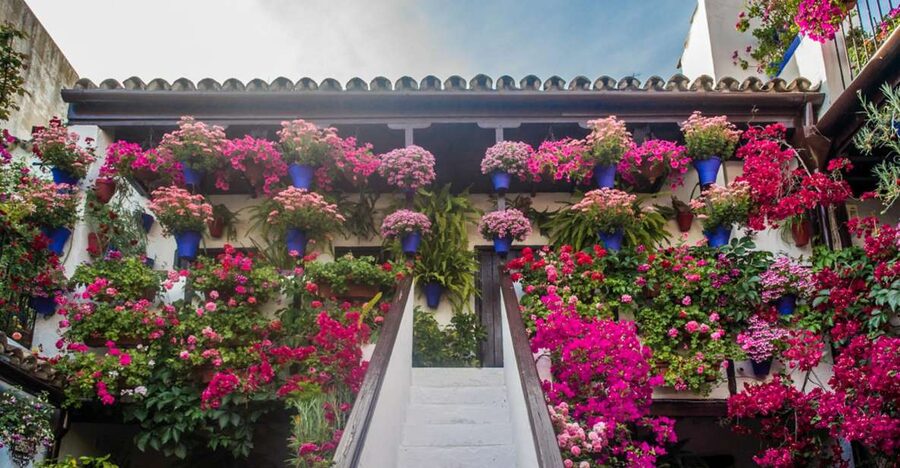
This tour is built around a curated selection of patios. In practice, that usually means around five to six courtyards during the walk, depending on access and flow. Some patios may allow only limited entry at a time, and you can feel that during the queue moments when groups are waiting to be admitted.
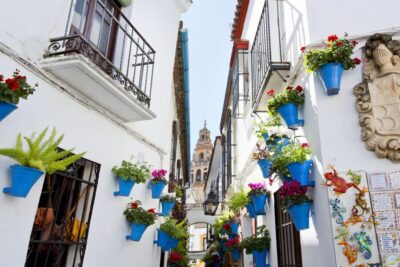
The patios you’ll see vary in style, arrangement, and plant choices. That matters because the patio tradition is not a single look. You’ll start noticing patterns: the way owners use vertical space with climbing or trained plants, the way color groups appear across different courtyards, and how the seating or open floor plan encourages you to linger. Even in the same season, you can spot differences in what’s blooming and how each household prioritizes scent, shade, or visual impact.
The Roman-to-modern story the guide connects for you
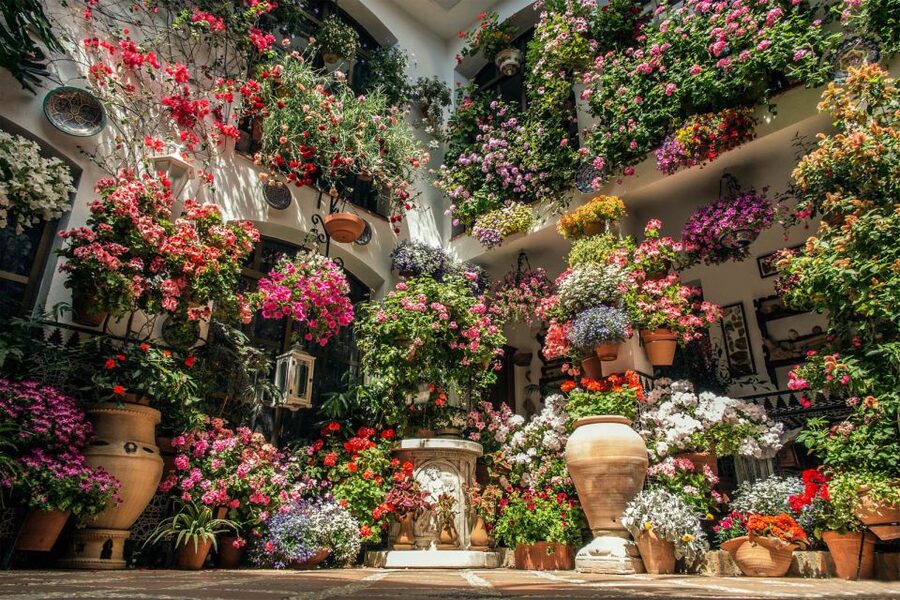
One of the defining features is the historical thread. The guide explains how Córdoba’s patios evolved from earlier urban life tied to the Roman Empire, when Córdoba functioned as the capital of the province of Hispania Baetica.
Here’s why that part is useful for you: it changes how you interpret the space. Instead of thinking of patios as an isolated Spanish style that appeared out of nowhere, you start viewing them as part of long-running Mediterranean habits. Courtyards and internal open spaces are a practical answer to sun, ventilation, and everyday life. The tour then connects that practicality to later Cordoban tradition.
As you move between courtyards, the explanation helps you see each patio as a living adaptation. You’ll understand why you’re seeing thick planting close to doors and windows, how shaded areas are created, and why the patio became more than a functional design.
Also within reach of Cordoba:
- Cordoba: Mosque-Cathedral E-Ticket with Audio Guide
★ 4.1 · 2,895 reviews - Cordoba: Equestrian Show General Entry
★ 4.5 · 2,333 reviews - Cordoba Mosque & Jewish Quarter Tour with Tickets
★ 4.6 · 1,996 reviews - Cordoba: Alcazar Guided Tour and Skip-the-Line Ticket
★ 4.2 · 1,792 reviews
Why UNESCO recognized patios tied to May flowers
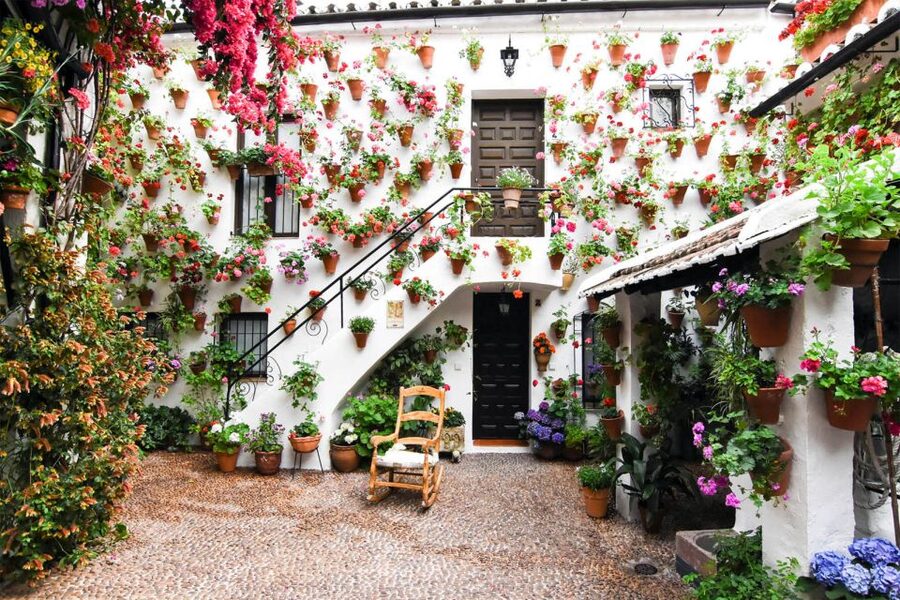
UNESCO lists Córdoba’s patios as an Intangible Heritage of Humanity related to the city’s May celebrations of abundant flowers. That sounds like a festival fact until you see it through the lens of the tour.
The tour’s focus on blooming plants is not random. It helps you understand the role of the patio in community identity and seasonal rhythm. In May, the whole city seems to shift into something more floral and more social. The recognition also highlights that the patio is not just about individual homes, it’s about a shared tradition that gets practiced, maintained, and passed along.
Even outside peak bloom, you usually still catch plenty of evidence. The structure and plant choices show you what owners are building toward, how they plan for the season, and how they keep the courtyard alive through changing conditions.
The patio as a social ritual, not just a garden
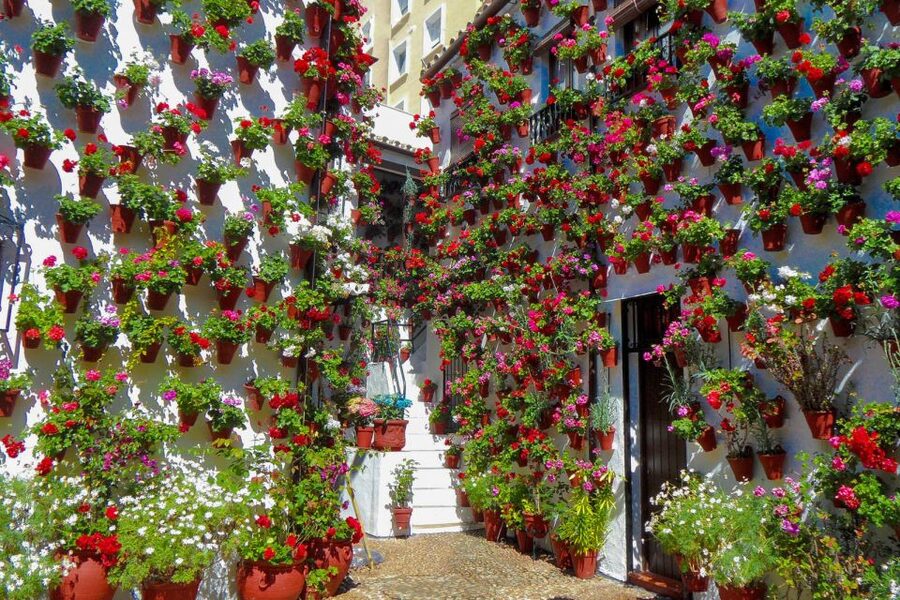
A key idea you’ll hear is that patios became a place of friendship and visiting. It was common for people to present plants and trees to each other, helping homes stay cool and sheltered from Andalusian heat.
This part is more than folklore. It’s a reminder that the patio tradition relies on relationships. You can feel it when the guide talks with patio owners and when you watch how the space supports conversation. The courtyards are designed for everyday life, but they also support gatherings. That blend is why the patios feel intimate even when you’re in a group.
You also get an extra layer from the guide’s local connections. Several guides on different tours are described as having strong rapport with the patio owners. When your guide knows the households, the tour doesn’t feel like checking boxes. It feels like you’re learning how each family treats the patio as part of their identity.
Guides that make the story click
The guide quality is a huge part of why this tour earns strong marks. You’ll go out of your way just to listen when the person leading knows the neighborhood and can explain design choices in plain language.
I’ve seen multiple examples of guides who are highly fluent in English and Spanish, and who manage the rhythm of the walk while still keeping the explanations interesting. Names mentioned include Joachim, Emilio, Maria, Alvaro, Antonio, Alejandro, Gema, and Patricia. People also point out that some guides were locally born, which helps the stories land with real place details, not generic travel talk.
One practical benefit: a good guide helps with the timing. When patios have limited access, the guide’s pacing keeps you from waiting too long with nothing to look at. Still, if you’re visiting during the busiest stretch, expect some queue time.
The pace: short tour, lots of stops
This is not a slow meander. It’s a structured 1.5 hour experience that packs in multiple courtyards and keeps you moving.
That’s part of the appeal for many people. You see variety fast, and you learn enough context to spot patterns between patios. The flip side is that one common wish is for a bit more time in each stop. If you’re the type who wants to sit and study a garden for ages, you might feel the pressure of the group schedule.
My advice is to embrace a quick, focused mindset:
- Look for one thing per patio, like color arrangement, plant height, or how shade is created
- Take a minute to smell the flowers if the courtyard is open enough for it
- Use your guide’s explanations as your “second lens,” so the space becomes meaningful
Value check: is $23 per person worth it?
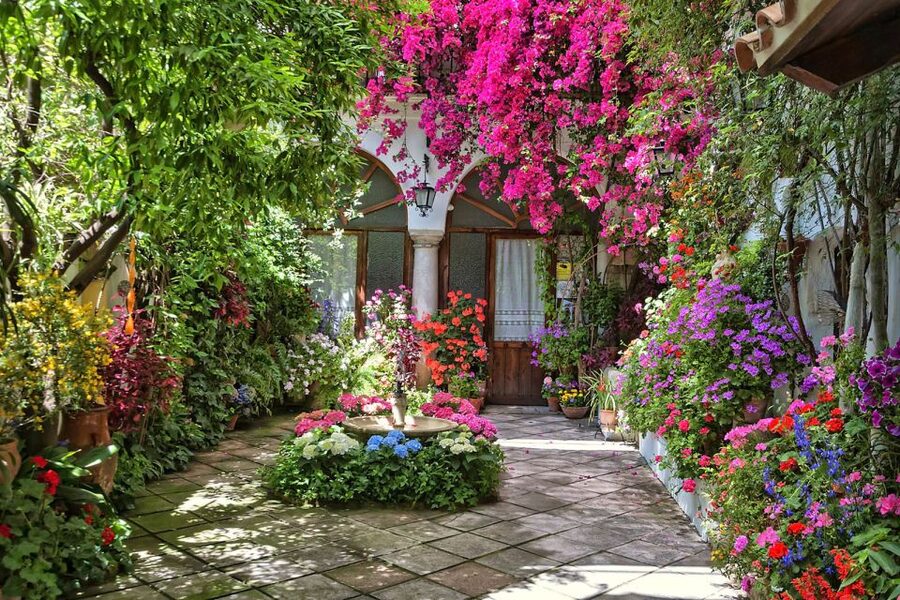
At $23 per person, this tour often feels like a solid deal because two cost drivers are already covered: the guide and the ticket fee of each patio. In other words, you’re paying for access to private courtyards plus the storytelling that makes the tradition legible.
You do still want to compare against what you could do on your own. Yes, you can walk the city and find patio displays in season. But you would likely miss the historical framing and the quiet details that only come through when someone who knows the neighborhood explains what you’re looking at.
The price is especially reasonable if you care about history, gardens, or cultural traditions that are tied to daily life. If you only want quick photos and you dislike walking, you might choose a different style of activity. But if you’re curious and want the story behind the blooms, this ticket tends to make sense.
Best time to go: before and during May
The tour’s theme is closely linked to May, when the patios are associated with abundant flowers. Several guides and comments also suggest that visits in mid April can be great, right before the full May festival surge.
Here’s how I’d decide:
- If you want the most flowers, aim for May season, but expect crowds and a busier feel
- If you want beautiful patios with slightly more breathing room, late spring in the lead-up can be a smart compromise
No matter when you go, you should still bring patience. Córdoba’s patios tradition draws attention, and admission can be staged when too many people arrive at once.
Who this tour fits best, and who might not love it
This experience is a great match if you want:
- A guided explanation that connects Roman-era origins to the later patio tradition
- Multiple patios in one outing, not just one or two
- A chance to see homes and courtyards that are usually closed to casual passersby
- A garden experience that includes cultural context, not only plant facts
It may be less perfect if you:
- Hate crowds and queues, since the May period can get busy
- Want long, unhurried time in a single courtyard, because the structure moves you along
- Prefer a purely self-guided approach with no group pacing
Should you book this Córdoba patios tour?
If you’re weighing whether to book, I’d lean yes if you want the patios to feel like a living tradition instead of a sightseeing checklist. The mix of private courtyard access, UNESCO-linked May context, and the Roman-to-then evolution story is exactly what turns patio viewing into a real experience.
Book it if you enjoy learning while you walk, and especially if you’re in Córdoba for a short time. Skip or choose something else if you dislike walking schedules or you want extended time inside a single garden.
If you do book, pick comfortable shoes, show up at the correct meeting point, and go in with curiosity. The patios reward that mindset. You’ll come away seeing the same flowers and courtyards in a whole new way.
FAQ
How long is the Córdoba patios guided tour?
The tour lasts about 1.5 hours.
Where do I meet my guide?
You meet at the main door of the Caballerizas Reales (Royal Stables), and you should wait outside. From May 5th to 18th, the meeting point is the main door of the Town Hall of Córdoba in Capitulares street.
What languages are offered?
The live guide offers Spanish and English.
What’s included in the price?
The ticket includes a guide and the ticket fee of the patios you visit.
Can I cancel for a refund?
Yes. Free cancellation is available up to 24 hours in advance for a full refund.
Is there a pay-later option?
Yes. You can reserve now and pay later, so you can keep your plans flexible.
Recently added around Cordoba
- Cordoba: Half-Day Medina Azahara Guided Tour★ 4.6 · 288 reviews
- Cordoba: Guided Tour of Medina Azahara at Night★ 4.5 · 92 reviews
- Cordóba: Gardens & Fortress of Catholic Monarchs Guided Tour★ 4.3 · 336 reviews
- Extra Virgin Olive oil tasting★ 4.9 · 79 reviews
- Cordoba: Medina Azahara Museum and Archaeological Site Tour★ 4.8 · 199 reviews
- Córdoba: Viana Palace Gardens and Patios Entry Ticket★ 4.5 · 880 reviews
- Cordoba: 3-Hour Private Tour★ 4.9 · 80 reviews
- Córdoba: Tablao Flamenco at Doble de Cepa with Optional Meal★ 4.4 · 197 reviews
Cordoba Tours & Activities, compared.

Skip-the-Ticket-Line Mosque-Cathedral Guided Tour
Read our review →
Cordoba Mosque-Cathedral: Skip-the-Line Guided Tour
Read our review →


Cordoba Mosque & Jewish Quarter Tour with Tickets
Read our review →
Mosque-Cathedral, Jewish Quarter and Alcázar Tour
Read our review →Browse the lists this tour appears in