
Reviewed · SPAIN
Cuenca: Medieval Old Town
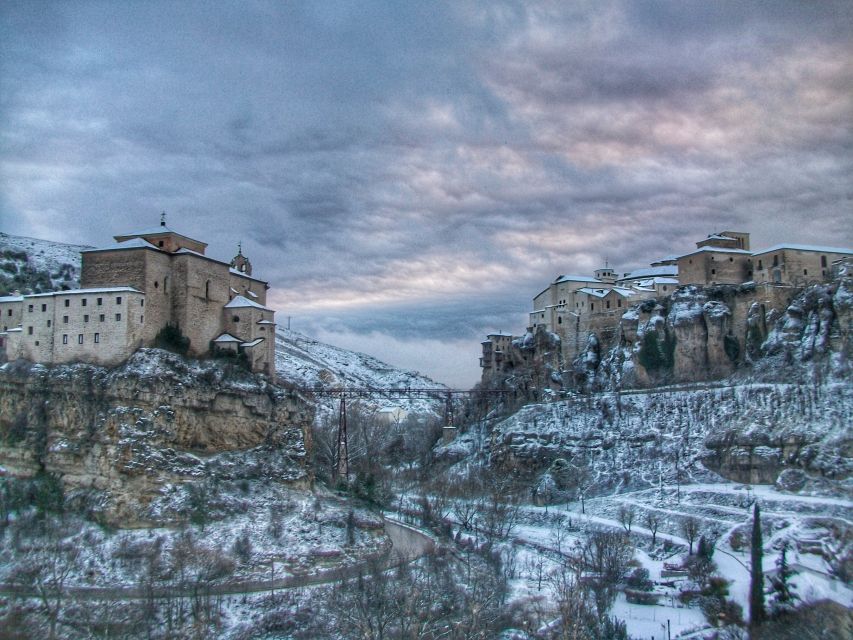
Cuenca feels like it was built by people who refused gravity. On a 2-hour guided walk in the UNESCO-listed old town, you get medieval streets, jaw-dropping hanging architecture, and big views over the Júcar and Huécar river gorges.
I especially like the way the route is paced for seeing key scenes without sprinting. Two things I’m drawn to are the Hanging Houses (they look impossible until you understand why) and the panoramic viewpoints where the city’s dramatic setting clicks into place.
One consideration: this is a Spanish-only tour and it is not ideal if you have mobility limits. Also, the best viewpoints depend on where the group stops, so if you care a lot about one specific photo spot, ask your guide to point out the exact angle while you’re there.
In This Review
- Key things to know before you go
- Cuenca in two hours: the Eagle’s Nest setup that makes everything make sense
- Starting near Cuenca City Hall: getting your bearings fast
- UNESCO old town streets: narrow, medieval, and designed for stories
- Hanging Houses: why Cuenca looks impossible in real life
- Panoramic views over the Júcar and Huécar gorges
- The city’s 16th-century vertical living: apartments that feel absurd
- Church stops that add meaning, not just old stone
- Price and value: what $10 for 2 hours really buys you
- What the guides get right, and why it matters to you
- Who should book this tour, and who should consider skipping it
- Should you book Cuenca Medieval Old Town with a guide?
- FAQ
- Is this tour in Spanish?
- How long is the Cuenca medieval old town tour?
- Where do I meet the guide?
- Is pick-up service included?
- Is the tour suitable for wheelchair users or limited mobility?
- How much does it cost, and what is included?
Key things to know before you go
- Spanish-only guide: you’ll want enough Spanish to follow stories and directions.
- Two hours, on foot: expect continuous walking through narrow, medieval streets.
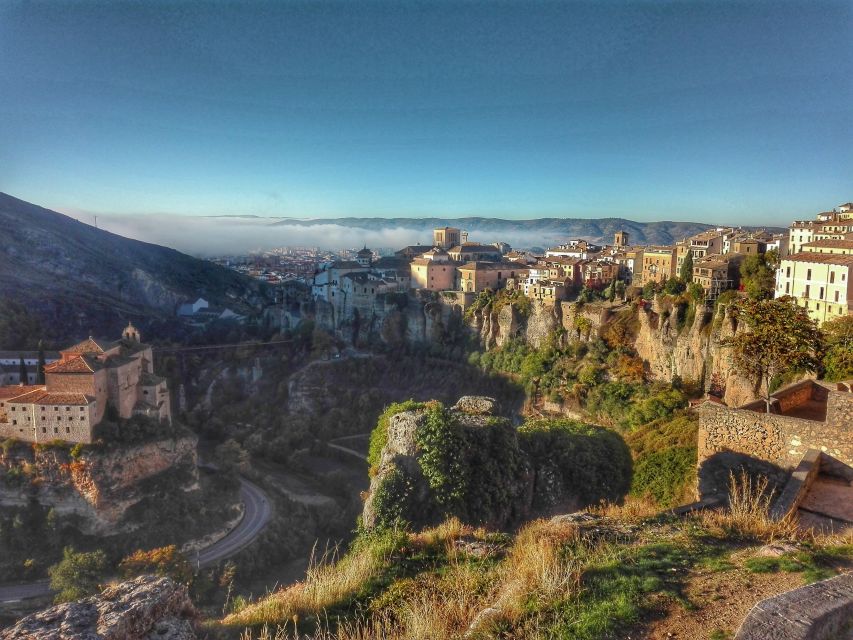
- Eagle’s Nest setting: Cuenca sits high above the Júcar and Huécar gorges, and you’ll look down at every turn.
- Hanging architecture: you’ll see how and where these structures were built to survive on rock and space.
- Historic apartment height: the old town’s 16th-century vertical living is part of the story, including the 12-story reference.
- Not for wheelchair users: the route is tough underfoot and around tight corners.
Cuenca in two hours: the Eagle’s Nest setup that makes everything make sense
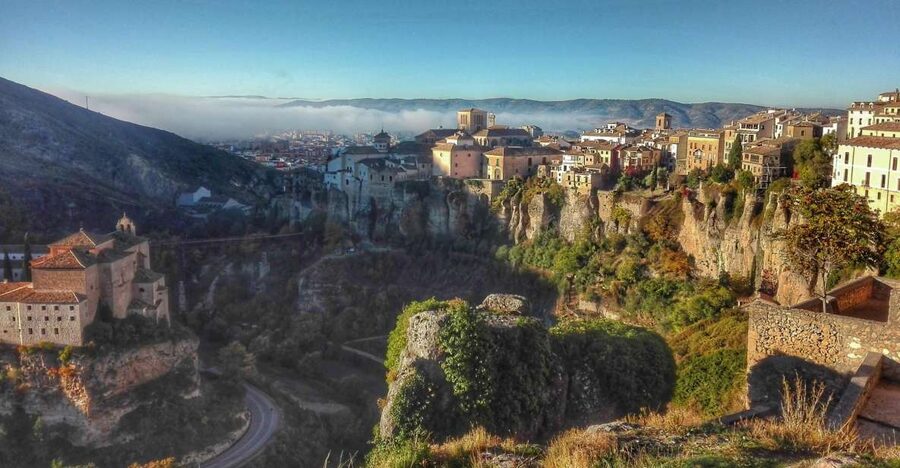
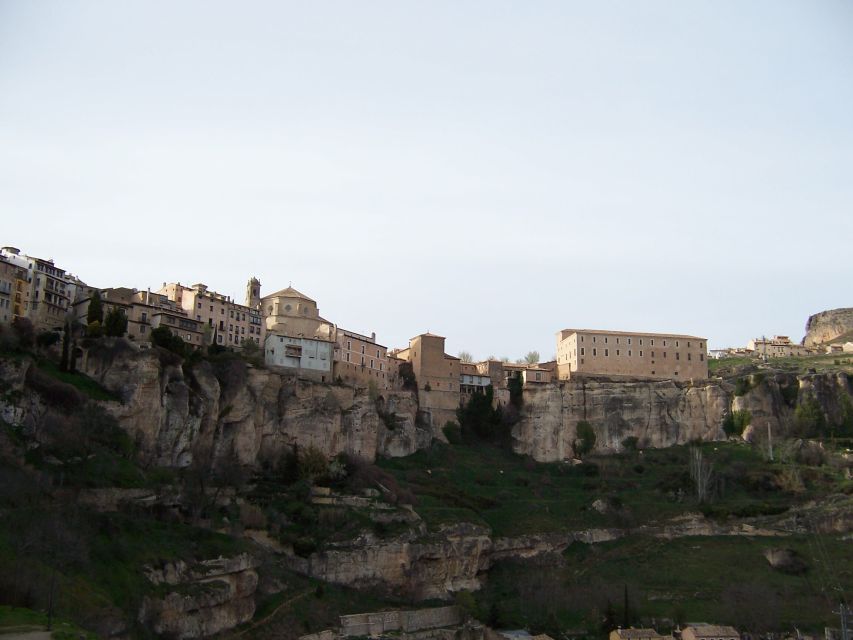
Cuenca’s old town is perched on rock, then drops off into deep river gorges. That single fact explains why you’ll feel like you’re walking on the edge of the world the whole time, and why the architecture can look so strange at first glance.
When a guide can connect the city’s geography to its buildings, your eyes start working differently. You stop seeing random old walls and start seeing survival choices: narrow street lines, dramatic drop-offs, and buildings that seem to hang or cantilever over space.
In just 2 hours, this tour aims to give you the big picture fast. You’ll get the emotional wow factor up front, then the context that turns the wow into understanding, especially around the hanging houses and the ecclesiastical landmarks.
More good picks around Spain:
- Barcelona: Sagrada Familia Entry Ticket with Audio Guide
★ 4.6 · 105,312 reviews - Barcelona: Park Güell Admission Ticket
★ 4.4 · 76,534 reviews - Seville: Royal Alcázar Entry Ticket
★ 4.6 · 28,378 reviews
Starting near Cuenca City Hall: getting your bearings fast
Meet just below the arches of Cuenca City Hall, next to the tourist office, and look for guides in red uniforms. Show up about 5 minutes early, because the walk begins right away and the old streets can be confusing if you arrive late.
I like starting here because City Hall is a practical anchor point. You can orient yourself quickly, and once you’re moving, the tour flows through the old town like a guided storyline instead of a checklist.
This matters even more on a short tour. If you waste time figuring out where you are, you lose time seeing the views and the key architectural stops that make Cuenca worth the trip.
UNESCO old town streets: narrow, medieval, and designed for stories
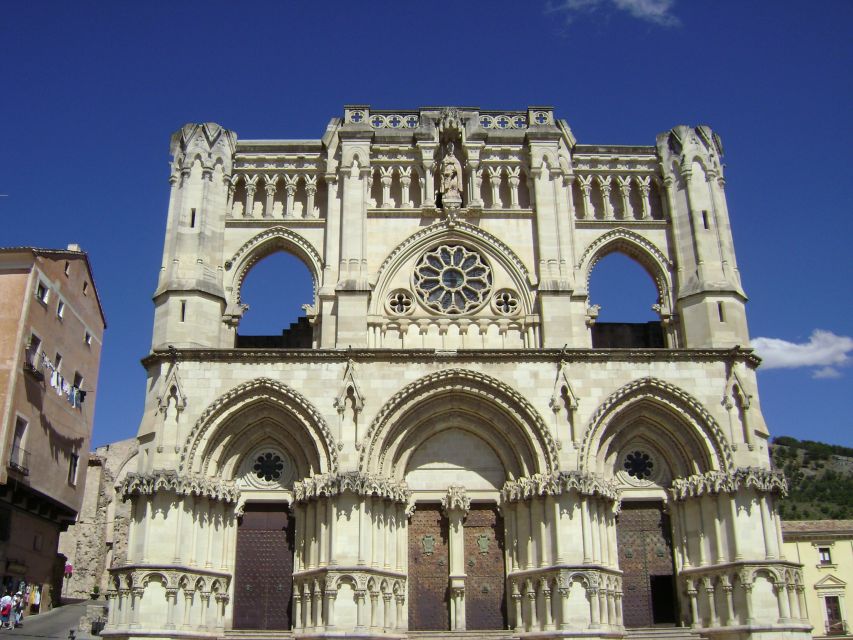
You’ll stroll the narrow streets with a Spanish-speaking guide, moving through the medieval core and stopping near the main monuments. The magic of Cuenca is that the city is compact enough to feel intimate, but dramatic enough that every turn feels like a new angle.
Ecclesiastical architecture is part of the mix, and that’s useful because churches in Cuenca aren’t just old buildings. They help you understand the town’s priorities, wealth, and identity as it grew on a difficult site.
The street walking is not just scenic. Your guide’s job is to explain why specific corners and façades matter. If you pay attention, you’ll start to notice patterns in stonework, street alignment, and how buildings relate to the drop into the gorges.
Hanging Houses: why Cuenca looks impossible in real life
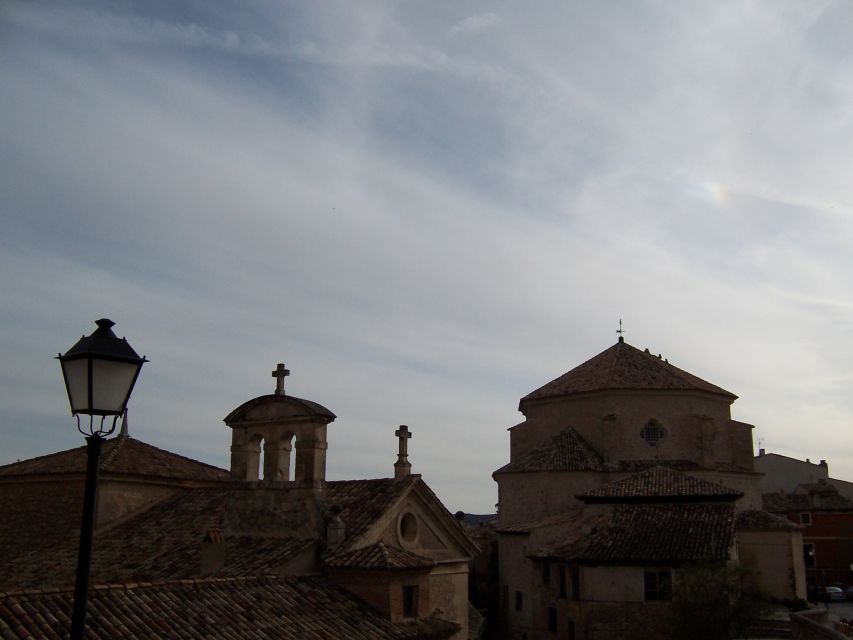
The tour’s signature is the hanging architecture, the so-called Hanging Houses that look like they should fall off the rock. Up close, you can’t rely on guesswork anymore. The guide helps you read the structure in layers: the part you see, the space it spans, and the way the buildings fit into the cliffside reality.
This is one of those moments where a guide genuinely improves the experience. Without explanation, the houses can feel like a trick. With explanation, they start feeling like clever problem-solving by real people who had to build where building space was limited.
I also like that the tour frames these buildings as part of daily life, not just photo props. When you hear how the old town functioned in that setting, the hanging houses stop being surreal and start feeling like home.
One practical tip: wear shoes with solid grip. Cuenca’s old streets are charming, but you’ll be walking on uneven surfaces, and you want stable footing when you pause to look down.
Also within reach of Spain:
- Barcelona: Casa Batlló Entry with Self-Audioguide Tour
★ 4.7 · 25,359 reviews - Seville: Cathedral and La Giralda Entry Ticket
★ 4.5 · 24,592 reviews - Barcelona: Montjuïc Cable Car Roundtrip Ticket
★ 4.5 · 22,368 reviews - Madrid: Tour Bernabéu Entry Ticket
★ 4.5 · 21,573 reviews
Panoramic views over the Júcar and Huécar gorges
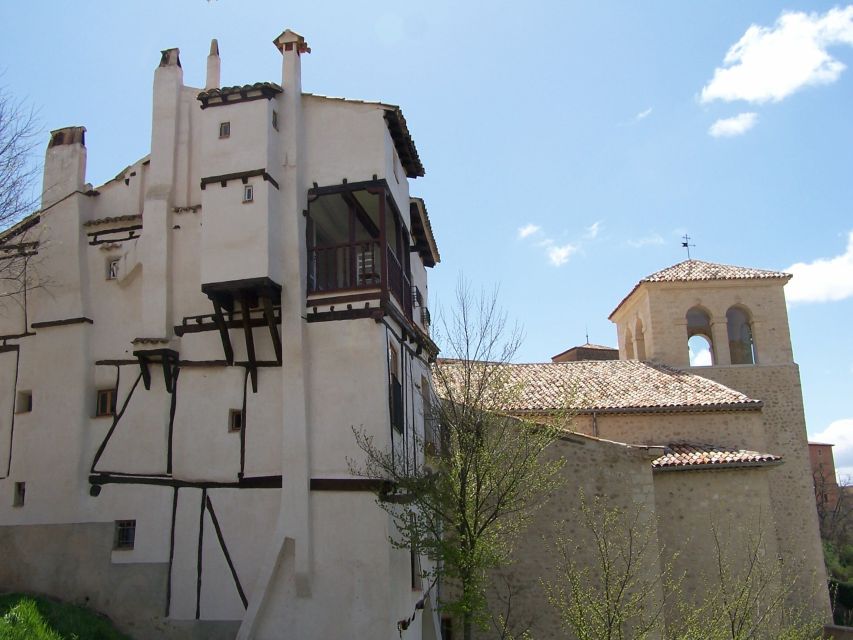
One of the best rewards of this tour is the panoramas. Cuenca is often called the Eagle’s Nest for a reason, and the city’s perch over the deep gorges of the Júcar and Huécar rivers gives you that vertigo feeling in a good way.
These viewpoints are where you get your mental map. Once you see the drop and the river corridors, the layout of the old town clicks. You understand why streets run the way they do and why buildings seem to cling to the rock.
I’d also suggest you pause and look long enough to change your focus. First look for the big geometry, where the city sits above the curves of the gorge. Then look for smaller cues your guide points out, like how certain viewpoints align with the hanging houses.
If you’re hoping to photograph a specific angle, pay attention when your guide cues the group to gather. A short tour means you might not get repeated chances, so stand where your guide tells you to stand, especially for the best sightlines.
The city’s 16th-century vertical living: apartments that feel absurd
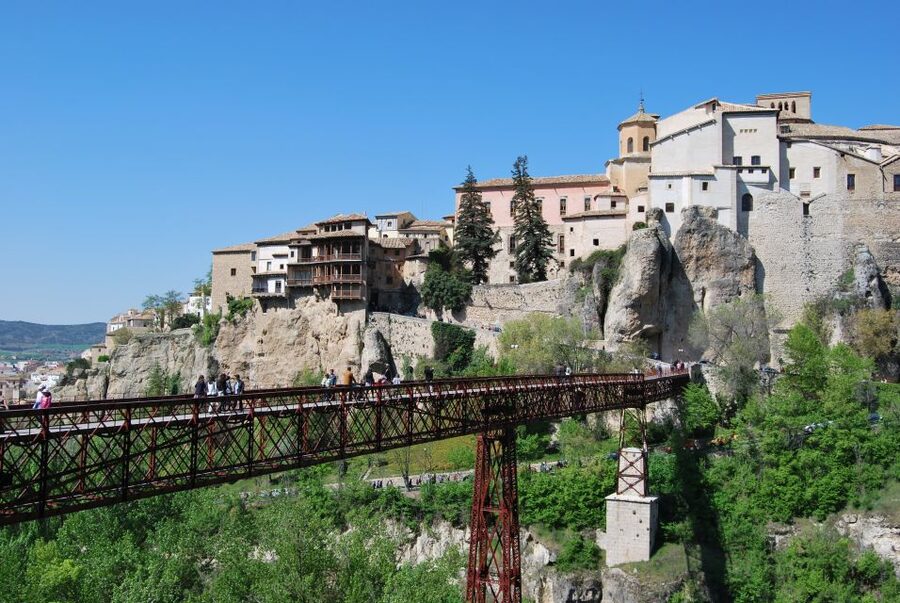
Cuenca has a story about height that makes you do a double take. The tour includes the idea of the highest apartments in Europe in the 16th century, described as around 12 stories tall.
Even if you approach it with skepticism, it helps to see this information tied to where you are in the old town. When a guide connects the vertical living to the rock site and to urban growth pressures, the number stops being a trivia stunt and becomes a sign of how people adapted to space constraints.
This is the kind of detail that turns a simple walk into a smarter visit. Instead of only admiring façades, you learn how Cuenca’s setting shaped real living decisions, including stacking households upward in a limited footprint.
Church stops that add meaning, not just old stone
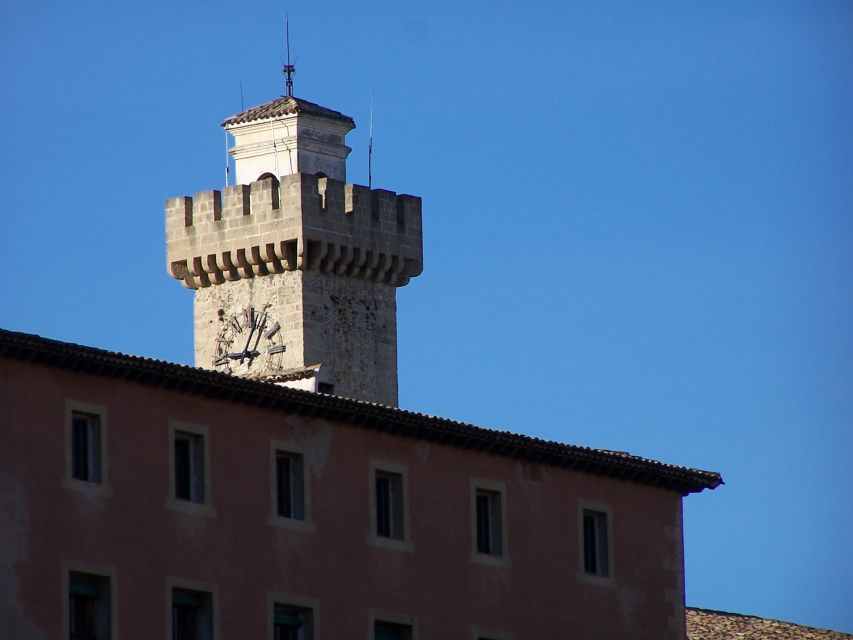
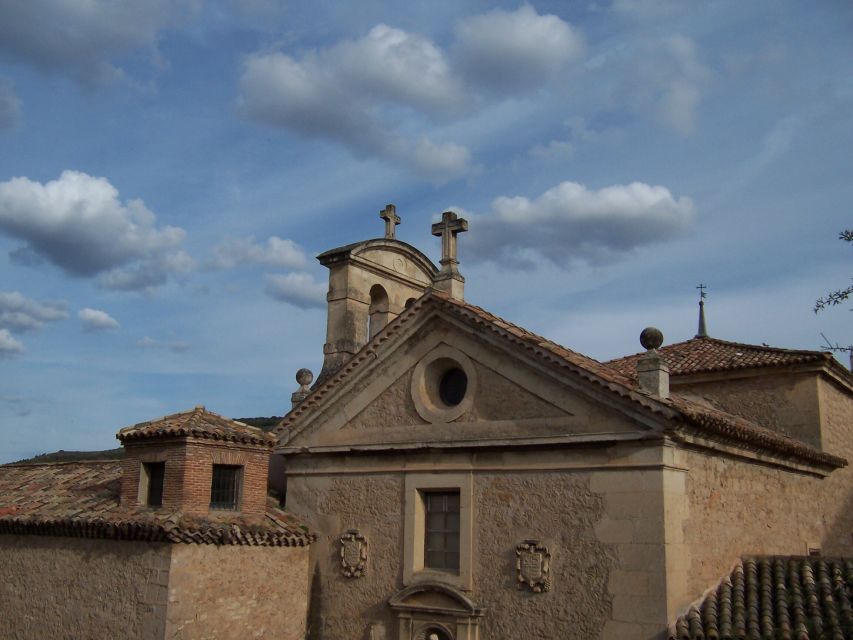
Besides the dramatic houses and gorge views, you’ll also encounter splendid ecclesiastical architecture. In towns like Cuenca, churches usually sit at crossroads of history: patronage, power, and community life.
A good guide keeps these stops from turning into a lecture about dates. The value is in how the guide uses the church architecture to explain the town’s character. You’ll come away understanding not just what a building looks like, but why it mattered.
When you’re moving through a medieval old town, it’s easy to overload your brain with visuals. These church moments give you structure. They act like rest points where the story re-centers before you head back into the cliffside streets.
Price and value: what $10 for 2 hours really buys you
At about $10 per person for a 2-hour guided walk with a local guide, this tour is a solid value if you like guided context. The price is low enough that you’re paying mainly for the route and the explanations, not for fancy extras or transportation.
For me, that’s the sweet spot in places like Cuenca. The city is visually dramatic, but the architecture has quirks you can easily misunderstand if you’re wandering alone. A guide helps you interpret hanging structures and connect viewpoints to the city’s rock-and-gorge reality.
You should still plan your own spending for personal needs like water, snacks, or any optional entries you might want on your own afterward. The tour itself includes a local guide, and that’s where most of your value comes from.
If you’re trying to choose between a self-guided walk and this guided option, this is the kind of town where the guide usually wins. The hanging architecture and the gorge panoramas are too much fun to miss the why behind them.
What the guides get right, and why it matters to you
Guides are a major part of the experience here. From the feedback, Ángela stands out for being professional and friendly, and Raúl is praised for managing bigger groups and still finding the right routes through the streets. There’s also mention of a guide with a dry, funny humor style, which is a big deal because Cuenca’s stories can get heavy fast if the tone is flat.
This matters because a short, 2-hour tour has limited time for adjustments. If your guide is skilled at timing pauses and controlling the group, you get the viewpoints and key architectural stops without chaos.
Also, because the tour is Spanish-only, a guide’s clarity really affects how much you enjoy it. If you’re comfortable with Spanish conversation, you’ll likely follow along smoothly and get extra satisfaction from the explanations. If not, you might still enjoy the visuals, but you’ll miss some of the story.
Who should book this tour, and who should consider skipping it
This works best if you want a guided storyline through Cuenca’s medieval center. It suits first-time visitors who want a quick but meaningful orientation, especially if hanging houses and dramatic viewpoints are on your must-see list.
It’s not suitable for people with mobility impairments or wheelchair users. The old town streets and the stops for views require easy movement, and the route involves uneven ground and tight areas.
If you’re traveling with a child, there’s a positive note about touring with a one-year-old in a stroller, and that’s a good sign. That said, your comfort will still depend on your ability to handle tight corners and uneven surfaces, so bring practical expectations.
Language is the other big filter. This tour is conducted only in Spanish, so it’s ideal if you can follow at least basic guided commentary.
Should you book Cuenca Medieval Old Town with a guide?
Yes, I think you should book it if you want more than a pretty walk. The combination of the UNESCO old town setting, the hanging architecture, and the gorge viewpoints becomes much more satisfying when a guide explains how everything fits together.
Book it especially if you’re the type who likes to understand what you’re seeing, not just snap photos. With just 2 hours, you’re also likely to appreciate the focused route, since Cuenca can feel like a maze if you’re wandering without a plan.
Skip it or think twice if Spanish is a dealbreaker, or if mobility is a challenge for you. In that case, you might be happier with a different format or a more accessible visit strategy.
If you do book, go prepared for walking, and pay attention when your guide cues the group to gather for views. Cuenca rewards attention.
FAQ
Is this tour in Spanish?
Yes. The tour is only conducted in Spanish, and the guide is Spanish-speaking.
How long is the Cuenca medieval old town tour?
The duration is 2 hours.
Where do I meet the guide?
Meet just below the arches of Cuenca City Hall, next to the tourist office. Look for guides wearing a red uniform.
Is pick-up service included?
No. Pick-up service is not included.
Is the tour suitable for wheelchair users or limited mobility?
No. It is not suitable for people with mobility impairments or for wheelchair users.
How much does it cost, and what is included?
The price is $10 per person. What is included is a local guide.
Recently added around Spain
- Granada: Traditional Flamenco Show in a Cave Entry Ticket★ 4.6 · 93 reviews
- Granbazán Winery: Guided Tour and Wine Tasting★ 4.9 · 88 reviews
- Guggenheim: Art explained by artists★ 5.0 · 69 reviews
- Granada: Traditional Bath in the Nasrid Palace Hammam★ 4.6 · 624 reviews
- Granada: Traditional Flamenco Show at Tablao Casa Ana★ 4.8 · 390 reviews
- Granada: Historic Center and Lower Albaicin Walking Tour★ 4.7 · 136 reviews
- Granada: Tapas Crawl★ 5.0 · 86 reviews
- Granada: Alhambra Palace Guided Tour★ 4.3 · 224 reviews