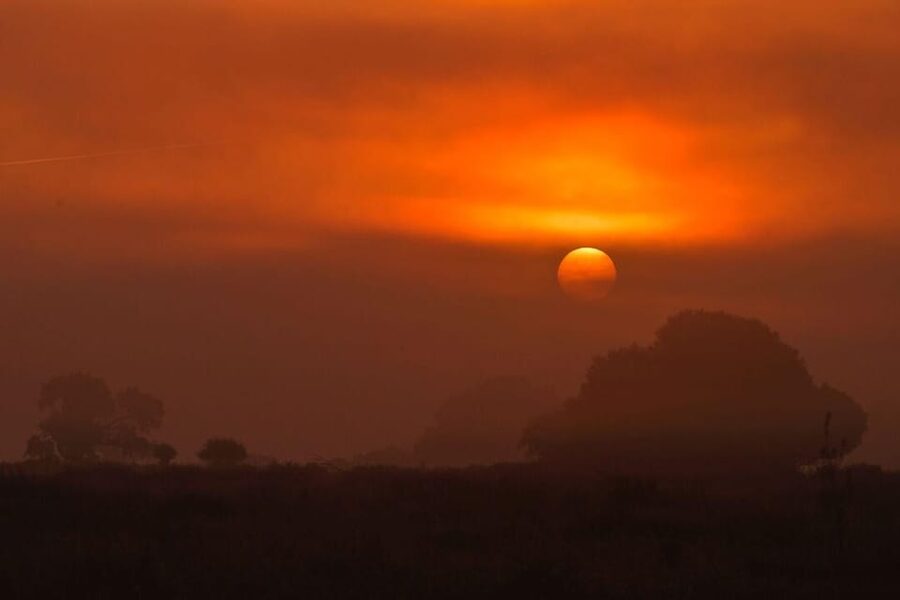
Reviewed · TOURS
Discover Doñana & Iberian Lynx: Premium Nature Tour
Doñana rewards patient eyes. This Iberian lynx-focused 4×4 nature tour uses expert guidance and planned interpretive stops, plus a rare add-on: Coto del Rey access to the old royal hunting grounds. I like that you are not stuck at one spot, you actually move through the northern Doñana areas where the park’s ecosystems connect. The big thing to keep realistic is that lynx sightings are never assured, even on lynx-habitat days.
In practice, the 4×4 ride is built for wildlife spotting rather than speed, with pauses designed for learning. If you book the private option, you also get optical observation equipment, which helps when animals are farther out. Be ready for a bumpy, compact-vehicle experience, and plan your expectations around habitat first, sightings second.
In This Review
- Key things that make this tour worth your time
- First impressions: Doñana’s mix of animals and lessons
- Entering the park by 4×4: comfort vs. access
- The Iberian lynx focus, and why sightings can vary
- How the interpretive stops work in the field
- Ecosystems you’ll likely see: marshland to woodland edges
- Coto del Rey and the King’s Palace: history in a protected setting
- Guide style, equipment, and your best shot at good viewing
- Price and value: is $46 a good deal?
- What to bring (and what to skip)
- Who this tour suits best, and who should rethink it
- Book it or skip it: my decision guide
- FAQ
- How long is the Doñana & Iberian Lynx Premium Nature Tour?
- What language is the live tour guide?
- What’s included in the price?
- Are food and drinks included?
- Can I cancel for a refund?
- Is this tour suitable for pregnant women or mobility impairments?
Key things that make this tour worth your time
- Iberian lynx habitat as the core theme, not just background scenery
- Small 4×4 transport that gets you into the northern Doñana areas
- Interpretive stops that connect birds, plants, and conservation
- Exclusive Coto del Rey access, including the King’s Palace area
- Private-option optics for better long-distance viewing
- A guided, educational format with didactic material to take the learning home
First impressions: Doñana’s mix of animals and lessons
Doñana is one of those places where the best experiences do not start with a sighting. They start with understanding the place, then watching how life fits into it. On this 3 to 3.5 hour tour in Andalusia, you get that learning layer through guided stops, plus the movement of a 4×4 ride.
If your main reason to come is the Iberian lynx, you are in the right neighborhood. The tour is built around the lynx habitat in Doñana National Park, and the guide’s conservation angle matters because it explains why this ecosystem is so carefully protected. Still, keep your expectations grounded: this is “spot wildlife in real conditions,” not a guarantee that the lynx will appear on cue.
The other major hook is the Coto del Rey portion. This is the historic royal hunting area with the old hunting lodge and the King’s Palace on site. You are getting a combination that most park tours skip: modern conservation education plus a historical place name tied to how Doñana has been managed for centuries.
More good picks around Spain:
- Barcelona: Sagrada Familia Entry Ticket with Audio Guide
★ 4.6 · 105,312 reviews - Barcelona: Park Güell Admission Ticket
★ 4.4 · 76,534 reviews - Seville: Royal Alcázar Entry Ticket
★ 4.6 · 28,378 reviews
Entering the park by 4×4: comfort vs. access
You will travel by 4×4 within Doñana Natural Park, which is a smart trade. On paper, it is just transportation. In reality, it is what makes the tour work, because it gives the guide access to areas where wildlife and plant communities change across marshland, woodland, and protected zones.
The downside is also practical. A few visitors have noted the vehicles can feel cramped, and riding in uneven terrain can make slow movement difficult to control for comfort. If you are sensitive to motion or you dislike bumpy roads, this is the part you should think about first.
Also, photography can be tricky. One common complaint is that the vehicle sometimes moves quickly in rough ground, which can make steady shots hard. If you bring a camera, plan for movement, use a strap, and expect short windows where the guide slows down and you can frame your shot.
For the best experience, I would treat this like a “wildlife spotting with education” tour. If you want a walking-only nature stroll, look elsewhere. If you want to cover ground and learn what you are seeing, the 4×4 is the right tool.
The Iberian lynx focus, and why sightings can vary
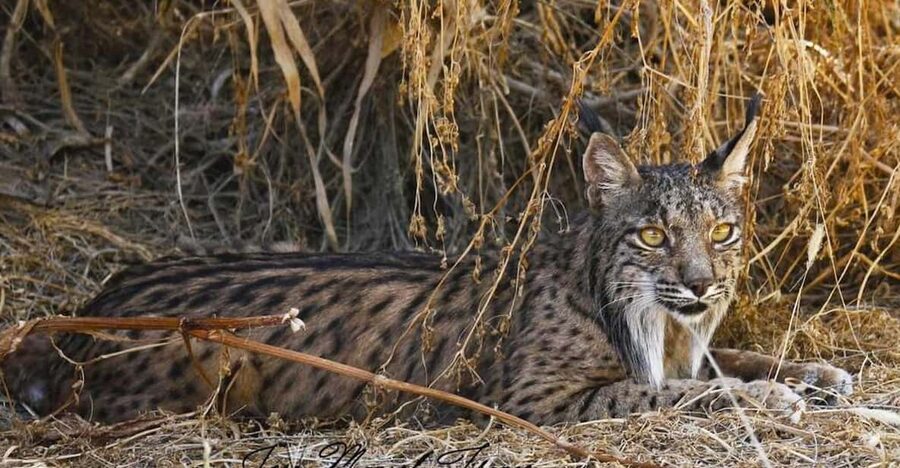
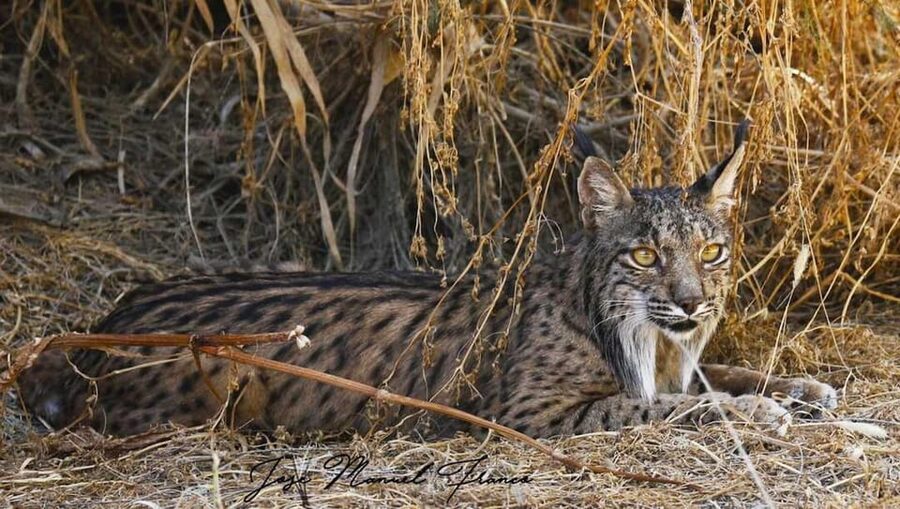
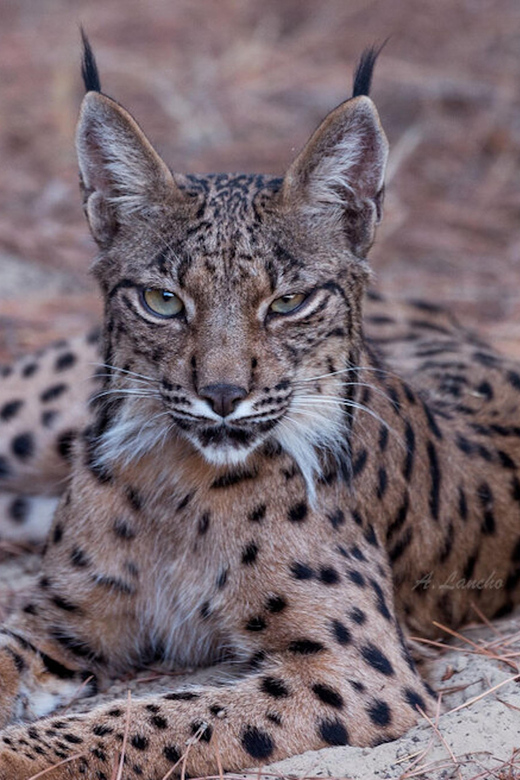
Let’s talk lynx, because that is what sells the whole experience. The tour is positioned as a lynx-habitat outing, and it does include time meant for looking for the species in Doñana. The key detail is that the guide may tell you early in the day what is realistic based on conditions.
Some people have gotten lucky, including sightings of other animals like eagles and deer. But there are also experiences where the lynx did not show up. In at least one case, the guide explained that lynx were not present that day and tied it to factors like food availability.
So what should you do with that info? You should go in expecting a strong habitat and conservation education, and you should treat any lynx sighting as a bonus. If you are coming specifically to photograph lynx at all costs, that is a high-stakes plan. If you are coming to understand how lynx depend on this protected mosaic, you will probably feel satisfied even on a no-lynx day.
The practical takeaway: ask the guide how they read the day. A good guide will adjust your route and stops based on what they see and hear. Lynx viewing depends on stealth, timing, and conditions, so your experience is partly about the guide’s ability to respond.
How the interpretive stops work in the field
One of the strongest parts of this tour is the structure: it is not continuous driving with occasional photo breaks. The tour includes several interpretative stops that connect you to the park’s ecology and conservation story.
These stops are useful for three reasons:
- You get context before you look.
- You learn to notice what matters, not just what looks pretty.
- You are less likely to miss the smaller signs that wildlife depends on.
In Doñana, ecosystems change quickly. You might see marshland ecosystems at one point and then move toward areas with denser plant cover and preserves tied to threatened species. The learning here is about connections, like how water, vegetation structure, and prey availability shape what you have a chance to spot.
Also, if birds are your interest, you may enjoy the focus on the kinds of birds that use the wetlands and open areas. One review praised the ornithology discoveries, including multiple animal types. Another person felt bird spotting expertise could have been stronger in winter conditions. That split is a reminder that field conditions and guide focus can vary day to day, so bring your flexibility and your curiosity.
For you, the best move is to engage. When the guide points out a plant or a bird signal, ask one follow-up question, like what to watch for next in that habitat type. Those small interactions tend to turn the tour from watching into learning.
Also within reach of Spain:
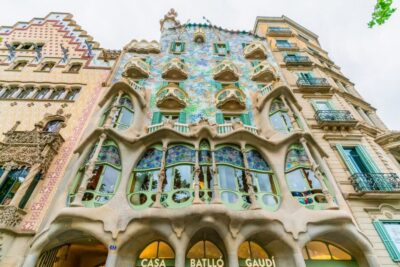
- Barcelona: Casa Batlló Entry with Self-Audioguide Tour
★ 4.7 · 25,359 reviews - Seville: Cathedral and La Giralda Entry Ticket
★ 4.5 · 24,592 reviews - Barcelona: Montjuïc Cable Car Roundtrip Ticket
★ 4.5 · 22,368 reviews - Madrid: Tour Bernabéu Entry Ticket
★ 4.5 · 21,573 reviews
Ecosystems you’ll likely see: marshland to woodland edges
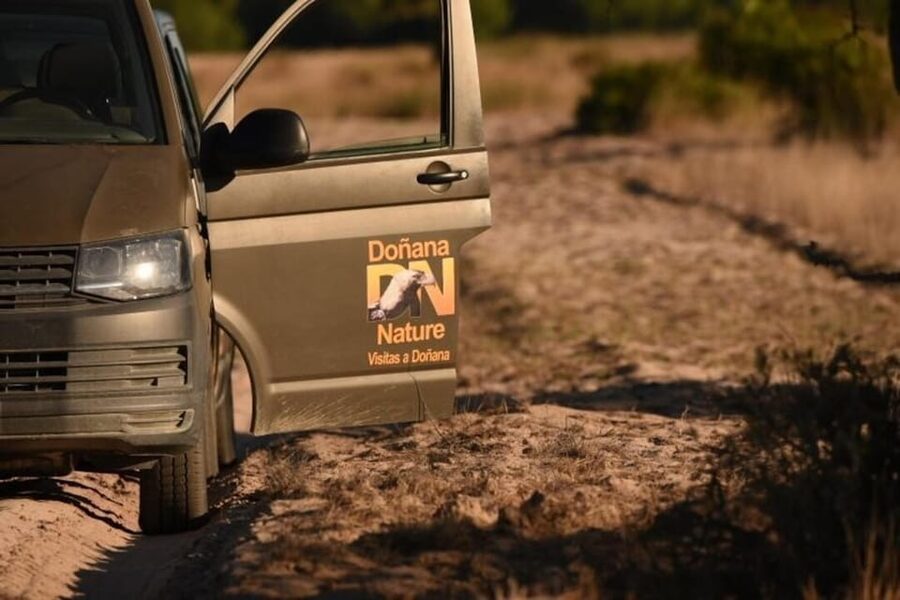
The tour spends time in the northern area of Doñana National Park, which is where you get a mix of marshland, dense forests, and preserves where the Iberian lynx resides. Even if you only remember one thing later, I want you to remember this: Doñana is not just one kind of place.
Each ecosystem has its own “wildlife soundtrack.” Wet areas tend to bring birds and signs of water-dependent life. Woodland and denser zones can produce different animal activity patterns, especially around cover and movement. The guide’s job is to help you notice what habitat cues say about animal chances.
One reason the tour feels different from a standard drive is that it treats these ecosystems like a curriculum. Instead of simply passing through, you stop at points that make the ecology make sense. You learn why the place looks the way it does, and you learn why conservation matters for the species that depend on those conditions.
Even if you are not seeing the star animal, this ecosystem education is the part that keeps the tour valuable. It is the difference between a day that feels like luck and a day that feels like understanding.
Coto del Rey and the King’s Palace: history in a protected setting
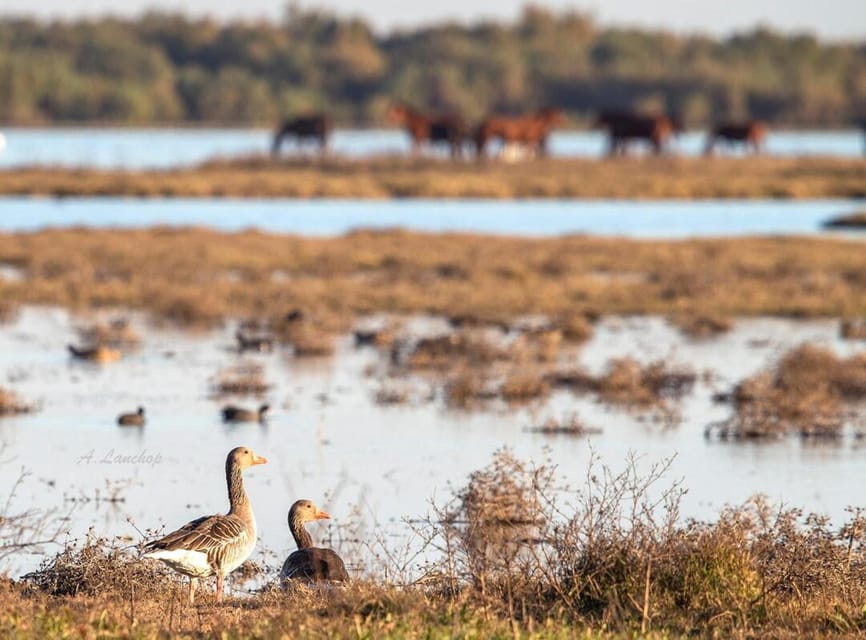
The standout “exclusive” element here is privileged access to Coto del Rey. This area is described as privately owned and historically important, and it contains the oldest hunting lodge site tied to a royal presence in the 15th century, including the King’s Palace.
What makes this part more than a quick photo stop is that it connects human use to conservation outcomes. The tour frames Coto del Rey as part of how the Doñana ecosystem has been developed and preserved over centuries. In other words, you are walking into a place where land management shaped the habitat long before modern conservation language existed.
If you like history, you might enjoy how this historic hunting ground now sits inside a nature conservation story. If you are here only for wildlife, you might be surprised by how quickly the history adds meaning. It gives you a human timeline for why Doñana has become what it is today.
Practical note: historical sites inside protected nature can mean you should dress for walking surfaces and uneven ground. Bring footwear you trust, even if this is mostly a vehicle-based tour.
Guide style, equipment, and your best shot at good viewing
This is a guided tour with didactic material, and the guide’s explanations are a big part of the value. Many visitors focus on the guide doing a good job of turning sightings into something you can understand.
Equipment is another lever. The private option includes optical observation equipment, which can help when animals stay distant or when you want to see detail without crowding your view. If you are not on the private option, you might still want to bring your own binoculars or a spotting scope if you have them. The park’s wildlife can be far away, and the difference between seeing and really seeing is often optics.
Finally, matching your expectations to the reality helps. Wildlife viewing can mean long stretches where you see signs, hear calls, or spot movement only briefly. If you go in ready to watch calmly, you will likely feel more satisfied than if you keep checking your watch hoping for an instant payoff.
One small piece of advice from how people describe their experiences: if photography is your priority, ask the guide about when they tend to slow down and where they look for movement. You cannot control animal behavior, but you can control how you prepare.
Price and value: is $46 a good deal?
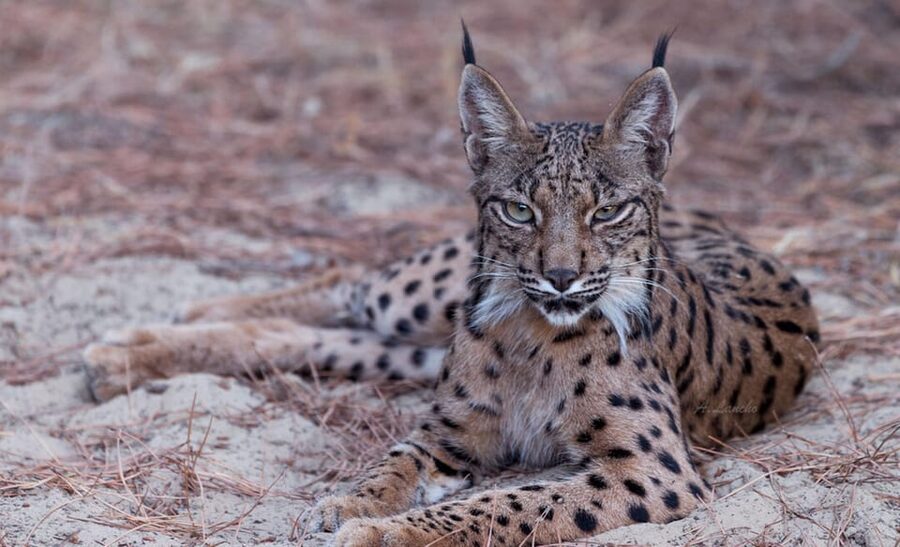
At about $46 per person for roughly a half-day tour, the value comes from three places:
- Access and transport inside the park by 4×4
- Guided interpretation that ties wildlife to conservation and habitat
- The Coto del Rey access element, which adds historical weight compared with basic wildlife drives
If you compare this to the cost of a general nature drive, what justifies the price is the structured learning and the special access. If the guide does their job well, you leave with more than a handful of photos. You leave with a clearer picture of why the ecosystem supports species like the Iberian lynx and how protection efforts connect to real habitat conditions.
Still, the lynx theme is the reason many people choose this. Since lynx sightings are not guaranteed, your satisfaction depends on what you want most. If your goal is to learn and you can accept a no-sighting day, this price can feel fair. If your goal is a specific animal on a specific day for a specific photo, this is a gamble, and you should consider that before booking.
What to bring (and what to skip)
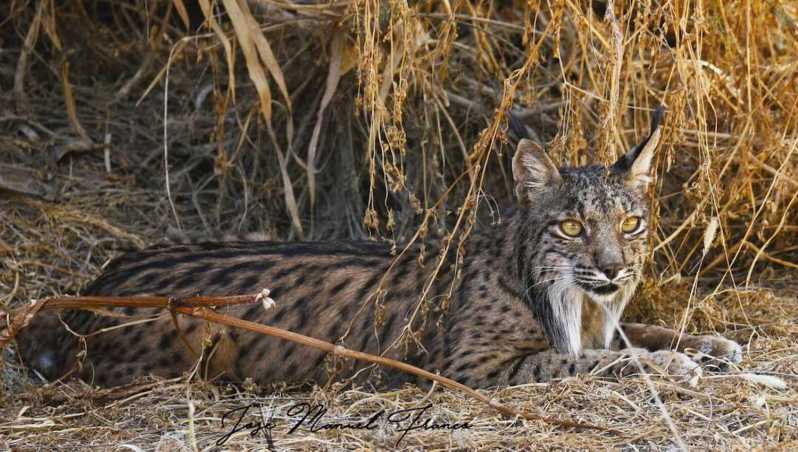
Food and drinks are not included, so you should plan ahead. At minimum, bring water, and if you get hungry easily, consider a light snack to tide you over.
Since you will be riding in a 4×4 and taking vehicle-to-stop transitions, dress for changing conditions. Bring layers, and wear footwear that handles walking on uneven ground, especially around historical areas like the King’s Palace site.
If you have optics, bring them. If not, you may still be fine, but the private option’s optical equipment is a clue that distance viewing is part of the strategy. A smartphone camera can work for close moments, but if wildlife is farther out, binoculars and patience matter more than zoom.
Also, the tour language is listed as Spanish. If you do not speak Spanish, you should think about how much you rely on guide explanations. Some people can manage with visual focus and simple words, but if you want full context, plan accordingly.
Who this tour suits best, and who should rethink it
This tour fits best if you want a mix of wildlife spotting and conservation education, with the bonus of historic access. It is also a good match if you like guided animal identification and you do not need long hiking time.
It is not recommended for pregnant women and people with physical limitations because you ride in a 4×4 through countryside for the duration. It is also marked as not suitable for mobility impairments. If you are traveling with infants, note the rule: children from 0 to 3 years old must use a car seat, and you must bring your own. ISOFIX anchorages are mentioned in vehicles, so a compatible car seat matters.
If you are traveling with a flexible mindset, you are likely to enjoy it even when wildlife is slower than expected. That does not mean you should expect nothing. It means you should plan to learn, then enjoy whatever the park gives you.
Book it or skip it: my decision guide
If you want one Doñana experience that combines Iberian lynx habitat learning with exclusive Coto del Rey access in about half a day, I think this tour earns its place. The format is built around interpretation, and the Coto del Rey piece adds a historical dimension you do not get on most wildlife-only outings.
I would not book it if you need a guaranteed lynx sighting. Conditions change, and some days you might only get the habitat and the other animals. If that would disappoint you, adjust your expectations or look for options that focus less on one flagship species.
If you do book, come prepared for a guided ride, not a comfortable lounge. Bring water, dress for uneven ground, and treat the guide’s explanations as part of the show. When you do that, you will get the best return on your time, even when the lynx stays hidden.
FAQ
How long is the Doñana & Iberian Lynx Premium Nature Tour?
The tour duration is listed as 3 hours, with the experience described as about 3.5 hours in the overview. Starting times depend on availability.
What language is the live tour guide?
The live tour guide language is Spanish.
What’s included in the price?
Included are guides, didactic material, and transport in 4×4 within Doñana Natural Park. The private option also includes optical observation equipment.
Are food and drinks included?
No. Food and beverages are not included.
Can I cancel for a refund?
Yes. Free cancellation is available up to 24 hours in advance for a full refund.
Is this tour suitable for pregnant women or mobility impairments?
It is not recommended for pregnant women or people with physical limitations, and it is not suitable for mobility impairments.
Recently added around Spain
- Granada: Traditional Flamenco Show in a Cave Entry Ticket★ 4.6 · 93 reviews
- Granbazán Winery: Guided Tour and Wine Tasting★ 4.9 · 88 reviews
- Guggenheim: Art explained by artists★ 5.0 · 69 reviews
- Granada: Traditional Bath in the Nasrid Palace Hammam★ 4.6 · 624 reviews
- Granada: Traditional Flamenco Show at Tablao Casa Ana★ 4.8 · 390 reviews
- Granada: Historic Center and Lower Albaicin Walking Tour★ 4.7 · 136 reviews
- Granada: Tapas Crawl★ 5.0 · 86 reviews
- Granada: Alhambra Palace Guided Tour★ 4.3 · 224 reviews
Tours, compared.


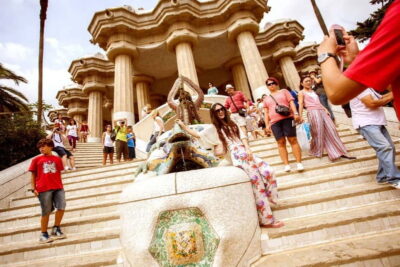
Park Guell Guided Tour with Skip The Line Entry
Read our review →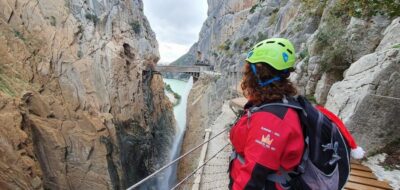
Caminito del Rey Guided Tour & Welcome Pack from Málaga
Read our review →
Sagrada Familia Skip-the-Line Entry Ticket & Tour
Read our review →