
Reviewed · DAY TRIPS & EXCURSIONS FROM SEVILLE
From Seville: Italica Roman City Tour
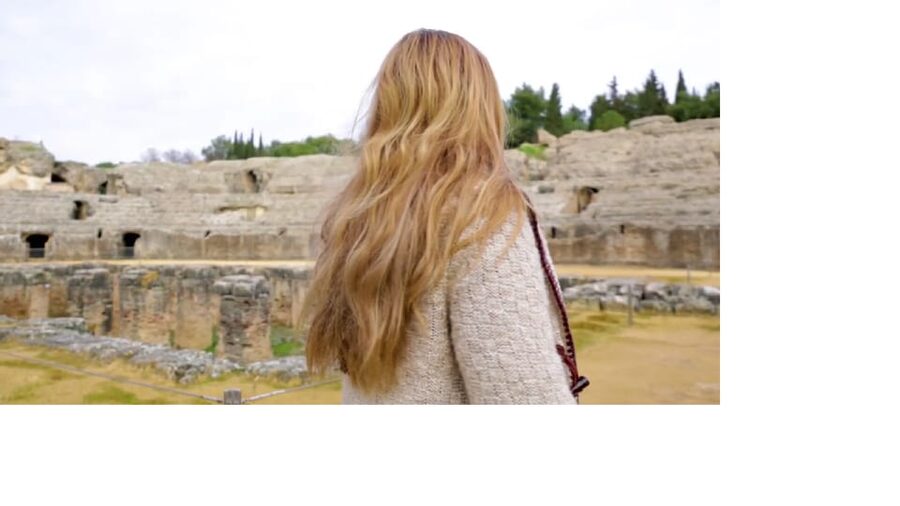
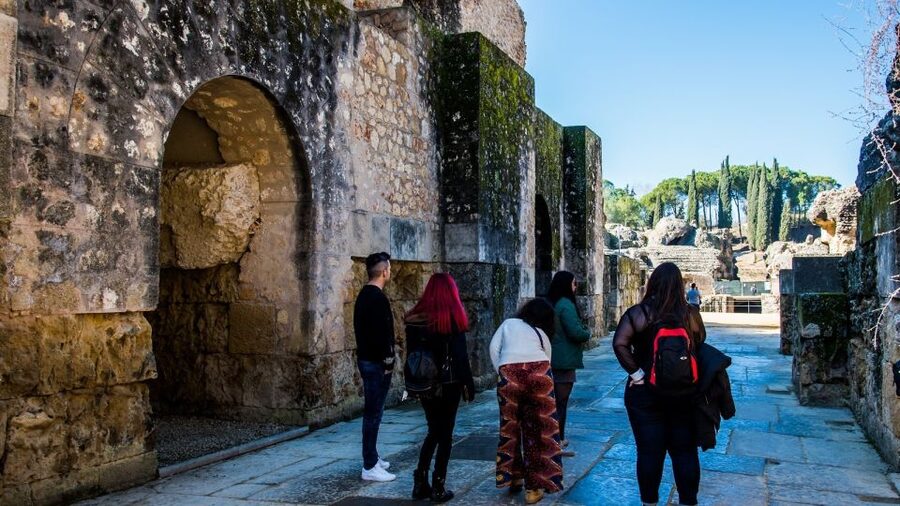
Roman ruins, a short ride from Seville. This 4-hour tour brings you to Italica, the first authentically Roman city in Spain, plus the amphitheater and theater at Santiponce. I especially loved the amphitheater tunnels and the mosaic floors, because they make the scale and daily life feel real, not just academic.
The guides can make a big difference. People highlight guides like Jose Luis, Jesus, Alberto, and Nieves for turning names such as Trajan and Hadrian into stories that stick. One possible drawback is that it is very much a guided experience, so you should expect limited time for wandering on your own, and larger groups can make it harder to hear every detail.
In This Review
- Key things to know before you go
- Why Italica feels different than most Roman stops near Seville
- Meeting points and the 4-hour rhythm from Seville
- Italica on foot: old streets, houses, and public buildings
- Mosaic floors and the Traianeum: where details reward your attention
- The Italica Amphitheater: third largest in the world, 25,000 seats
- Santiponce Roman theater: what you can still learn from partial reconstruction
- Roman baths, statues, and the everyday side of the empire
- How the guides shape what you take home
- Lunch, refreshments, and where a bonus stop might appear
- What to bring for comfort at Italica and Santiponce
- Price and value: is $51 a smart deal?
- Should you book this Italica tour from Seville?
- FAQ
- How long is the Italica Roman City Tour from Seville?
- Where do pickups happen in Seville?
- What languages are available for the live guide?
- What is included in the ticket price?
- Is lunch included?
- Do you skip the ticket line?
- Is there free cancellation?
Key things to know before you go
- First authentically Roman city in Spain: Italica was founded in 206 BC and later produced emperors Trajan and Hadrian.
- Icon-level amphitheater size: the Italica Amphitheater seated 25,000 and ranks as the third largest amphitheater in the world.
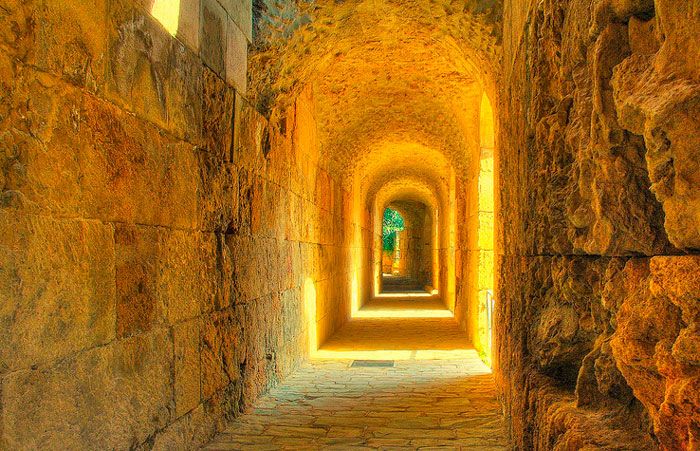
- Underside access and tunnels: a standout moment is walking the passages under the seating areas.
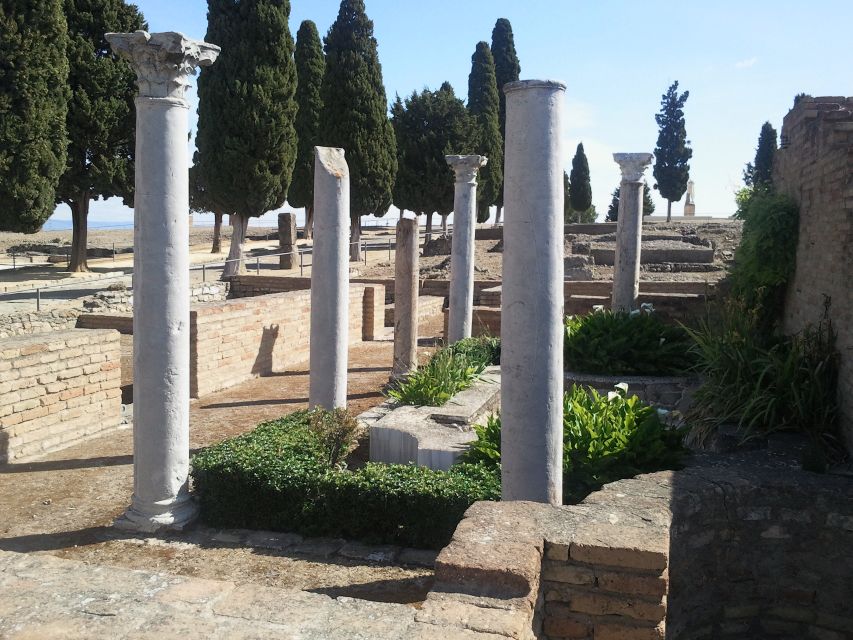
- Mosaics and sculpted details: look for the mosaic floors, the Traianeum, and statues linked to the imperial cult.
- Roman theater at Santiponce: you will see the partially reconstructed theater and get the big picture of how it worked.
Why Italica feels different than most Roman stops near Seville
Italica is special because it is not just Roman leftovers scattered around a town. It is a planned Roman settlement, founded in 206 BC by Publius Cornelius Scipio Africanus, and it became the birthplace of later emperors Trajan and Hadrian. That sets a tone right away: you are walking inside an origin story.
You will also feel the place in a practical way. The bones of the city are still laid out for you, from old streets to houses and public buildings. Even when parts are worn down, the layout helps your brain map daily life: where people gathered, where they relaxed, and where they watched performances.
More day trips out of Seville:
- From Seville: Pueblos Blancos and Ronda Full-Day Trip
★ 4.5 · 3,849 reviews - From Seville: Ronda+Setenil de las Bodegas Day Trip
★ 4.4 · 3,562 reviews - White Villages and Ronda Day Tour from Seville
★ 4.5 · 2,049 reviews
Meeting points and the 4-hour rhythm from Seville
This tour is designed as a clean half-day loop, with round-trip transportation between Seville and Italica. You spend about 30 minutes by bus or coach each way, then have around 3 hours on-site with a guided visit.
Pickup options are offered at three locations in Seville:
- 09:45 at Calle Rastro 12A
- 09:50 at Hotel Don Paco, Plaza Padre Jerónimo de Córdoba nº4
- 10:00 at Calle Trajano 6
You can also choose the drop-off point at the end: Calle Trajano 6, Calle Rastro 12A, or Hotel Don Paco. That flexibility is useful because Seville centers are close but not identical, and it saves you from crisscrossing the city at the end of the day.
One small heads-up. The order of visits may change due to unexpected circumstances, and the tour can be conducted in two languages to keep things moving. It should not ruin the experience, but it is good to know if you are the type who likes a strict schedule.
Italica on foot: old streets, houses, and public buildings
Once you arrive, the main guided portion focuses on the Archaeological Ensemble of Italica. You will walk along the older streets and move through the ruins of homes and public spaces, which is where the city stops feeling like a photo-op.
This is also where you start learning to see like a Roman. In a well-built Roman town, you can often spot patterns: what is centered, what is functional, and what is ceremonial. The walk helps you connect ruins to behavior, even if the original buildings are mostly gone.
If you prefer to spend time photographing and studying details, you will still enjoy this stop, but do not expect a totally free-form hike. The pacing is guided and structured, and some people noted they wanted a bit more time to explore independently. If that is you, bring your curiosity, and save your deepest looking for the big highlights.
Mosaic floors and the Traianeum: where details reward your attention
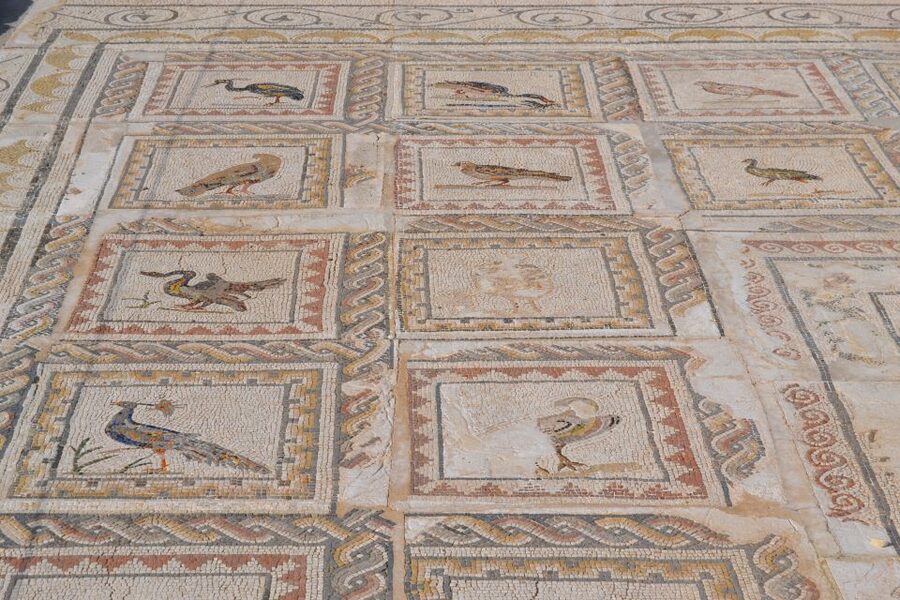
One reason people get excited about Italica is the mosaic floors. These are not just pretty patterns. In Roman cities, mosaics often belonged to wealthier homes and public-facing spaces, so they help you understand social life and status.
As you walk, you will also hear about the Traianeum, plus statues associated with Diana, Venus, and Trajan. Even without being an expert, you can look at these as clues. They point to religious beliefs tied to the empire and the idea that Rome’s power was visible in art and architecture.
Practical tip: slow down when you see mosaic surfaces. The best ones are where you can stand comfortably and see the full design. If your tour group moves fast, let the guide finish the key points, then take a few extra seconds to really look at the patterns and the condition of the tiles.
Other days out near Seville
- Seville: Royal Alcázar Entry Ticket
★ 4.6 · 28,378 reviews - Seville: Live Flamenco Dancing Show Ticket at the Theater
★ 4.7 · 16,396 reviews - Seville: Alcázar, Cathedral & Giralda Skip-the-Line Tour
★ 4.8 · 11,525 reviews - Seville: 1-Hour Guadalquivir River Sightseeing Eco Cruise
★ 4.2 · 10,281 reviews
The Italica Amphitheater: third largest in the world, 25,000 seats
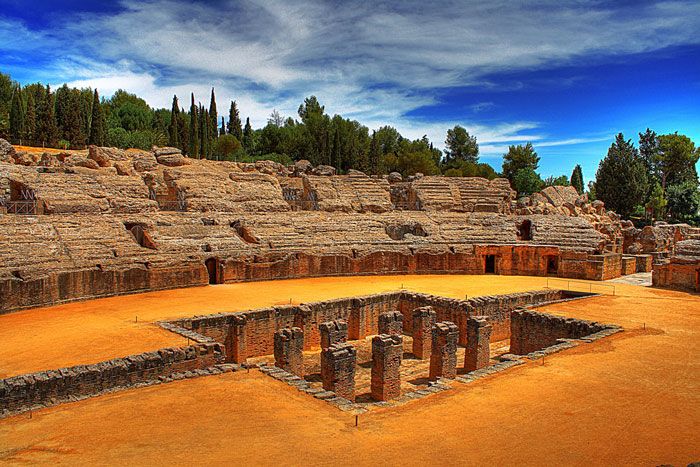
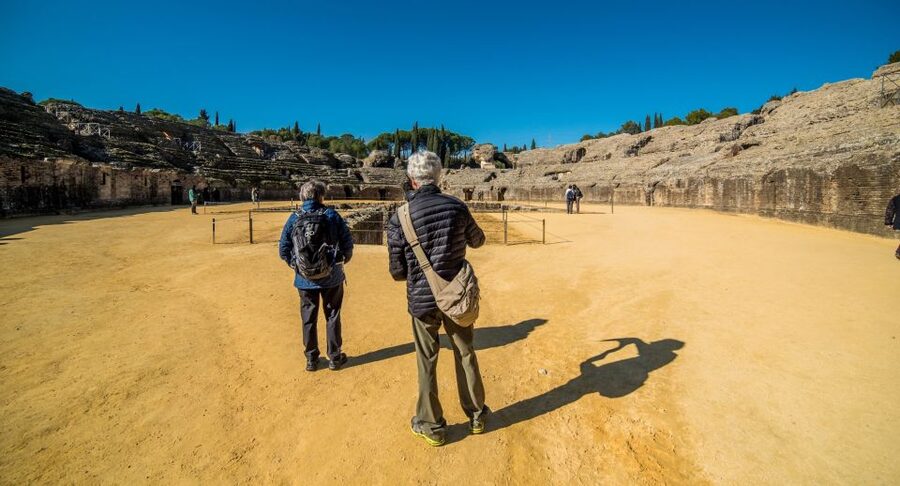
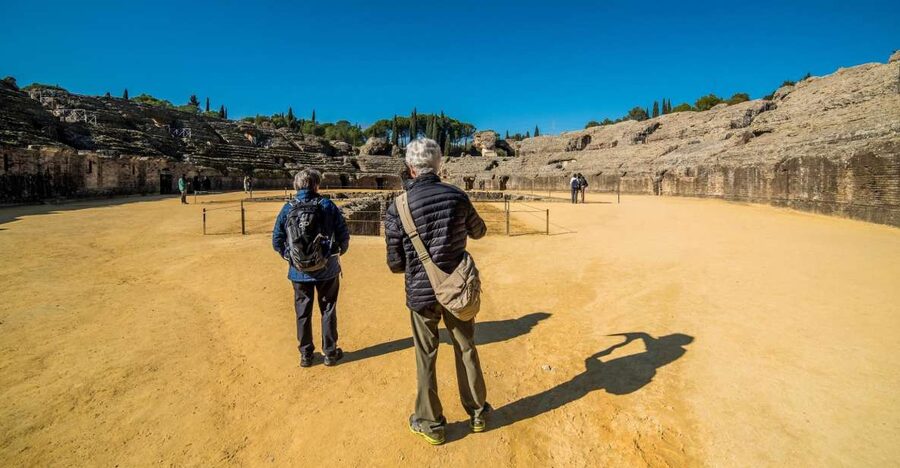
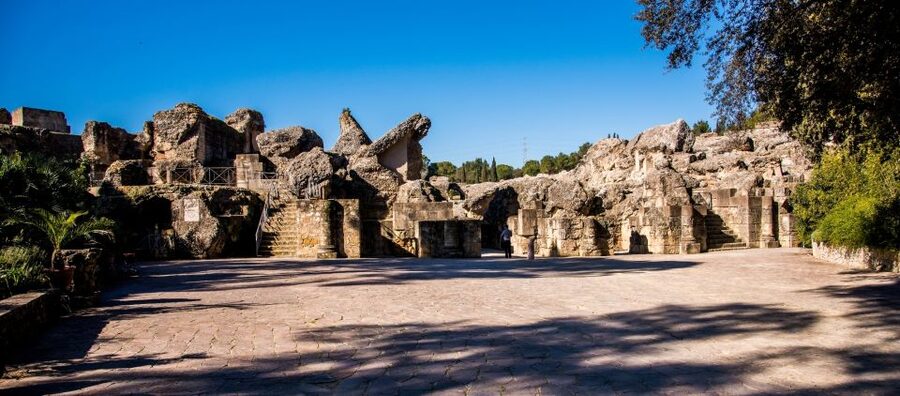
The amphitheater is the star for many people for good reason. It seated 25,000 spectators and is described as the third largest amphitheater in the world. Even when you understand it on paper, standing near the structure changes the scale instantly.
And here is the part that makes it memorable beyond the big size: you can experience the amphitheater tunnels under the seating areas. People specifically mention walking through these passages, and it adds a strong sense of how performances and crowds moved. It is one thing to see rows and walls, and another to understand what it felt like to be behind the scenes.
When you are there, focus on two things:
- How the seating structure shapes sightlines and crowd flow
- How the tunnel spaces connect to the main arena area
If you like architecture and design, this is the segment that will give you the most “aha” moments.
Santiponce Roman theater: what you can still learn from partial reconstruction
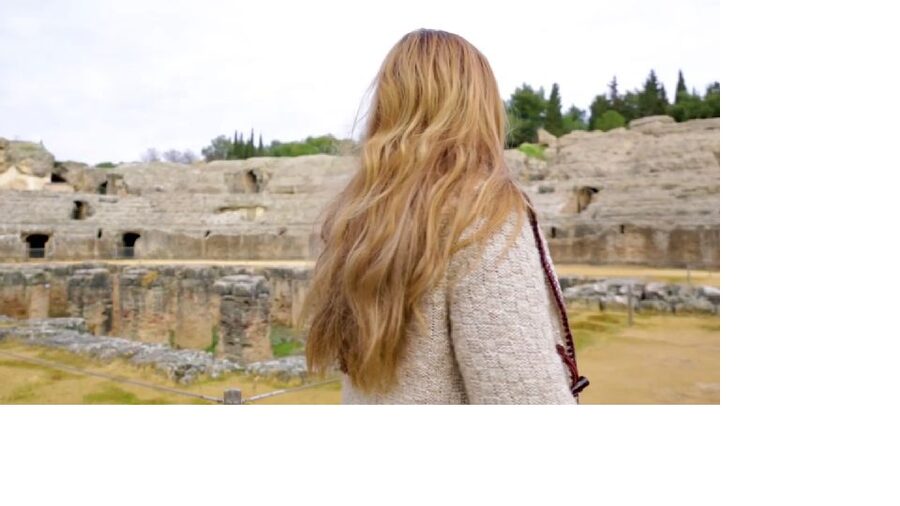
After Italica, you move to Santiponce for the Roman theater. The theater you will see is partially reconstructed, which sounds vague, but it actually helps you learn.
Reconstruction works like an explanation. It gives you enough of the original shape to understand how the theater functioned, even if not every wall or platform is intact. The key is listening to how the guide explains the relationship between the stage area, seating, and movement.
This stop also balances the amphitheater. Amphitheaters are built for spectacle and crowd energy. Roman theaters lean toward staged performance and acoustics. Seeing both on the same day gives you a clearer picture of how Roman entertainment was designed.
Roman baths, statues, and the everyday side of the empire
Italica is not only grand monuments. You will also see public baths and other features that connect to daily routine. Baths were social spaces, not just places to get clean, so they tell you something about what Romans did with their time.
As you move around the ruins, the statues linked to Diana, Venus, and Trajan give context to why certain areas were built and decorated. These were public signals, and the guide typically frames them in a way that helps you connect faith, politics, and community.
A good way to enjoy this part is to think in scenes:
- What would you wear and carry while walking here
- Where would you pause for conversation
- What would you remember if you were visiting a public event
Even if some details are missing, the mental picture is often the real payoff.
How the guides shape what you take home
Guides can turn ruins into living places, and the feedback here is strong. Jose Luis stands out for sharing detailed history, while Jesus is praised for a very informed walkthrough. Alberto gets repeated mentions for storytelling that makes the ancient city feel active. Nieves is also highlighted for helping people imagine what happened in the amphitheater.
Sergio, Miguel, and Montse are also mentioned for friendly explanations and clear answers to questions. One recurring pattern is that the best moments come from anecdotes plus structure: a guide gives you a few facts, then ties them to what you are looking at right in front of you.
What you can do to benefit most:
- Arrive a few minutes early at your pickup point
- Ask one question you actually care about, even if the group is busy
- If you are in a larger group, stand toward the front so you can hear the full explanation
If you are the type who likes context, you will likely come away with more than just photos.
Lunch, refreshments, and where a bonus stop might appear
Lunch is not included, but optional lunch is available for €18. If you tend to get hungry after tours, plan on eating in Seville afterward or using the optional lunch if offered that day.
One review mentioned refreshments such as wine, bread, and cheese, but the details of extras are not guaranteed from the core tour description. Treat any added food stop as a possible bonus rather than something you should build your day around.
Also, some people mention a monastery visit in the second half of the trip. That is not clearly stated in the core overview you may see, so I would treat it as a potential addition that depends on the day’s routing. If a monastery stop matters to you, ask the operator when you confirm your time slot.
What to bring for comfort at Italica and Santiponce
You will be walking through archaeological terrain, often uneven, and that means shoes matter. Go with comfortable footwear you can trust, not flexible sandals you love for dinner, but hate for ruins.
Because the tour includes time at outdoor ruins, also plan for sun and heat. Bring water, and consider a hat and sunscreen if you are visiting in warmer months. If weather turns, wear layers you can adjust quickly.
If you are traveling with kids, one review specifically recommended bringing a stroller, noting you might not use it the entire time. That is a useful reality check: the pace is guided and the ground can limit where you can push easily.
If you want photos, bring your camera battery backup or a charging option. You will likely spend extra time on the mosaics and the amphitheater spaces.
Price and value: is $51 a smart deal?
At $51 per person for a 4-hour outing, the value mostly comes from four things you do not want to handle yourself: transportation, guided interpretation, entrance fees, and skip-the-line access.
You are also not just getting a quick look. You get about 30 minutes each way by coach, then 3 hours guided on-site, plus stops that connect amphitheater and theater. That time structure matters because Italica is easier to enjoy when someone explains what you are seeing as you see it.
If you were to DIY this day, you would still need transport from Seville, entrance tickets, and time to figure out a logical route between the main ruins and Santiponce. Here, those pieces are packaged for you, so your energy goes toward enjoying the site instead of planning the logistics.
The best fit for this price is someone who values commentary and a clear itinerary. If you only want a self-paced wander and do not care about historical context, you might feel the time is guided and not flexible enough. But for most visitors, the structure is exactly what turns ruins into understanding.
Should you book this Italica tour from Seville?
I think you should book if you want a high-value Roman day trip with real structure: amphitheater scale, mosaics, and theater ruins, all guided in a way that helps you connect details into a bigger story. The repeated praise for guides such as Jose Luis, Jesus, Alberto, and Nieves is a strong clue that interpretation is a major part of the payoff here.
You might pause before booking if you strongly prefer unstructured time at ruins, because this is built as a guided route with limited freedom to roam. Also consider audio, since some people noted hearing can be tough in larger groups. If those are your concerns, consider arriving comfortable with the idea of a group pace and focus on the highlights.
FAQ
How long is the Italica Roman City Tour from Seville?
The tour lasts 4 hours.
Where do pickups happen in Seville?
There are three pickup options: Calle Rastro 12A at 09:45, Hotel Don Paco at 09:50, and Calle Trajano 6 at 10:00.
What languages are available for the live guide?
The tour is offered in Spanish and English. French, German, and Italian are available on request.
What is included in the ticket price?
Included are round-trip transportation between Seville and Italica, entrance fees to Italica, and an official tourist guide.
Is lunch included?
Lunch is not included, but there is an optional lunch available for €18.
Do you skip the ticket line?
Yes, skip-the-ticket-line access is included.
Is there free cancellation?
Yes. You can cancel up to 24 hours in advance for a full refund.
Recently added around Seville
- From Seville: Jerez, Cádiz and Andalusian Horses★ 4.3 · 181 reviews
- From Seville: Half-Day Guided Bike Trip to Italica★ 4.9 · 126 reviews
- From Seville: Granada & Alhambra Tour with Optional Ticket★ 4.2 · 383 reviews
- From Seville: Full-Day Aracena & Rio Tinto Mines Tour★ 4.5 · 430 reviews
- From Seville: White Villages and Ronda Tour★ 4.4 · 201 reviews
- From Seville: Cordoba and Mosque Cathedral Guided Tour★ 4.5 · 288 reviews
- From Sevilla 3 Cities One Day:Córdoba, White Village & Ronda★ 4.6 · 172 reviews
- Flamenco Dance Lesson: 60-Minute Class in Seville★ 4.9 · 81 reviews
Day Trips & Excursions from Seville, compared.
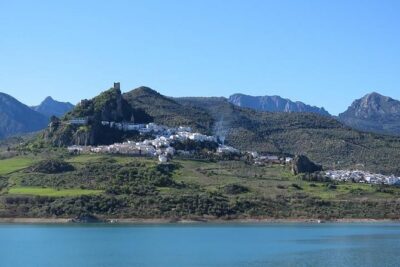
White Villages and Ronda Day Tour from Seville
Read our review →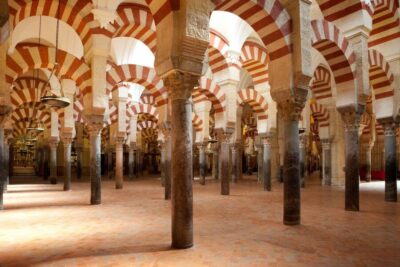
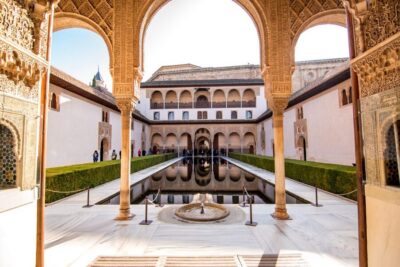
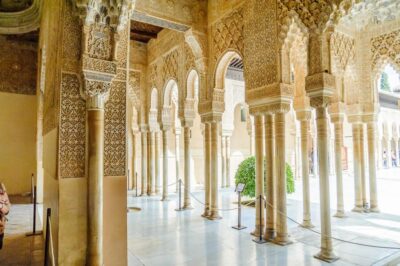
Granada Day Trip with Alhambra and Albaicin Tour from Seville
Read our review →Browse the lists this tour appears in