
Reviewed · SPAIN
Fuerteventura south: enduro trips on motocycle/lic. B,A1&2,A
Two hours later, I was hunting traction. I love the hands-on enduro training with Michal and the way the ride turns into small group off-road exploration across southern Fuerteventura’s gravel, sand, and rocks. The one drawback: you should come ready for real focus and a bit of fitness, because the route can get steep and technical.
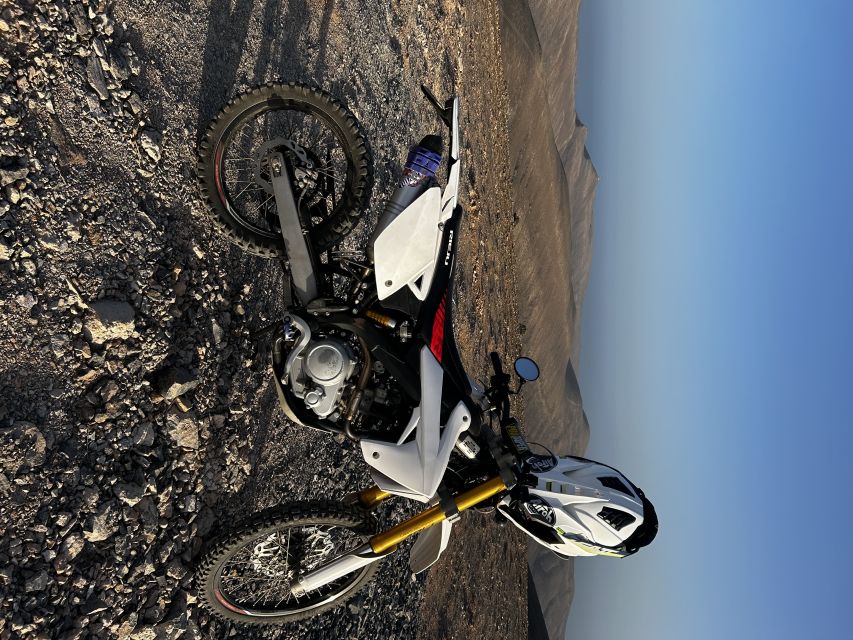
You’ll start with full protective kit, then climb onto an enduro bike matched to your licence category. If you want a motorcycle day that feels like you actually leave the usual tourist path behind, this is a strong choice.
In This Review
- Key things to know before you book
- How the 3-hour enduro format works in southern Fuerteventura
- Training with Michal: confidence first, adrenaline second
- The bike and licence categories you need to match
- What 2 hours of riding feels like: gravel, sand, and rocks
- Pickup spots across the south: why meeting points matter
- Gear you get, and the one thing you may need to buy
- Difficulty level and route choices: what to expect if you are a beginner
- Price and value: what $240 covers and where it makes sense
- When to ride: weather, rain, and the rain-or-shine reality
- Who this tour suits best (and who should skip it)
- Should you book this enduro trip on Fuerteventura South?
- FAQ
- How long is the enduro trip, and how much time do I spend riding?
- Is there training before we ride off-road?
- What driving licences are accepted?
- What gear is included, and do I need anything extra?
- Where does pickup and drop-off happen?
- Will the tour run in rain?
Key things to know before you book
- 2 hours of riding time inside a total 3-hour experience, including gear up and training
- Small group limit of 3 participants, so you get more attention from Michal
- Licence-based bike categories, including B (car), A1 (125cc), and A2/A (250cc or more)
- Terrain variety you can feel immediately, from smoother gravel to sands and rockier sections
- Pickup in the south including La Lajita, Tarajalejo, Las Playitas, Costa Calma, and La Pared, plus possible add-ons
How the 3-hour enduro format works in southern Fuerteventura
This is a short, high-impact outing. The whole experience runs about 3 hours, with around 2 hours of actual riding. That ratio matters because off-road riding gets fatiguing fast. You want enough time to settle into the bike and start improving, but not so much that you arrive drained and less able to learn.
The day’s flow is simple: pickup, gear and bike setup, a training block, then the ride. You change before and after, and you also get time to talk through techniques and adjust to how an enduro bike handles compared with a road motorcycle. That prep is part of the value here, not a warm-up you can skip.
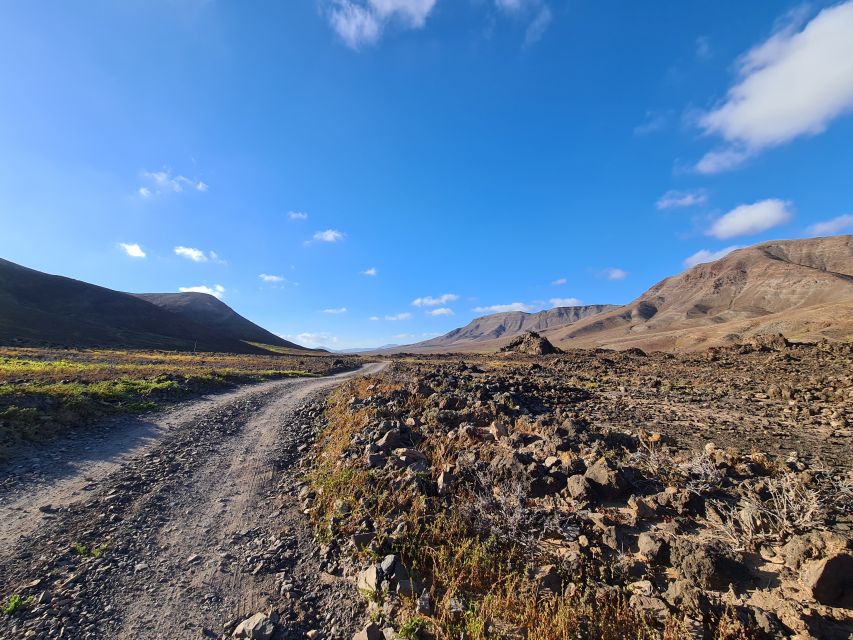
The ride itself stays in southern Fuerteventura. You’re not stuck on a single track or a single view corridor. You move through “unknown territory” gravel roads and rougher surfaces, which is exactly why this feels different from a standard sightseeing tour.
More good picks around Spain:
- Barcelona: Sagrada Familia Entry Ticket with Audio Guide
★ 4.6 · 105,312 reviews - Barcelona: Park Güell Admission Ticket
★ 4.4 · 76,534 reviews - Seville: Royal Alcázar Entry Ticket
★ 4.6 · 28,378 reviews
Training with Michal: confidence first, adrenaline second
The biggest reason people rate this so highly is what happens before you point the front wheel at anything challenging. You get a training session in a controlled area where you can build confidence. If you’re new to enduro, that matters a lot. If you already ride on roads, it still matters, because the bike, surface, and body movement are different off-road.
Michal’s coaching style, based on what I’ve seen from the way the guides are described, is patient and practical. The theme is: he’ll explain the basics, then let you try them without throwing you straight into the deep end. You start on easier sections, then the route choice shifts based on comfort and skill.
What I like about this structure is that it reduces the usual “tour shock.” Off-road riding can feel chaotic at first, even on modest terrain. Training helps you get your bearings fast. Then, once you’re more stable, you unlock the fun parts, including steeper slopes and rockier or sandier stretches.
One thing to keep in mind is that confidence grows in tiny steps here. If you try to go too fast too soon, the terrain will punish that. But if you let the coaching shape your pace, you’ll likely feel that step-by-step improvement people talk about.
The bike and licence categories you need to match
This tour is built around licence categories and bike class. You ride an enduro motorcycle, and the bike you get depends on your driving documents. The important categories listed are:
- Licence category B (car)
- Licence category A1 (motorcycle 125cc)
- Licence category A2 and A (motorcycle 250cc or more)
That matters because it keeps the riding level and bike power aligned with legal requirements. It also affects how “grabby” the bike can feel when you’re learning. If you’re arriving with a car licence only, you should expect a bike that fits that category.
There are also extra fees if you’re in specific age or licence-timeline situations. Insurance for young drivers aged 21 to 24 years costs 25 EUR, and if your motorcycle driving licence is under 2 years, there is also a 25 EUR fee. The listing notes that it’s one fee per age and length conditions, meaning you shouldn’t assume multiple charges beyond that rule.
Also, don’t forget the simple basics: you need your passport or ID card and your driver’s licence. Bring both.
What 2 hours of riding feels like: gravel, sand, and rocks
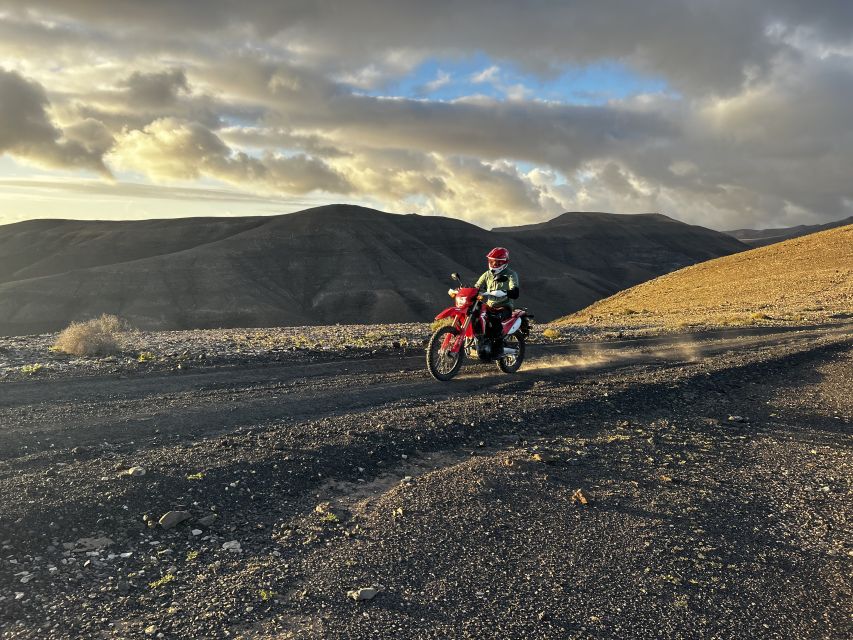
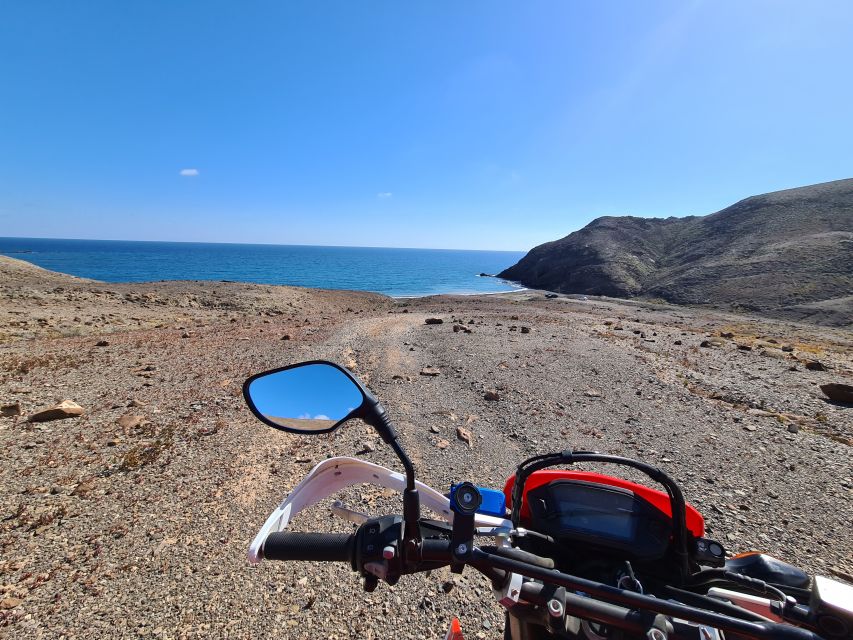
The core experience is the riding block, about two hours. You follow gravel roads that open into off-road “country trail” type terrain, with a mix of conditions. Expect:
- Gravel roads that let you build rhythm
- Sandy sections where balance and throttle control start to matter more
- Rocks and uneven ground that demand steady inputs
- A mix of easy to challenging routes, chosen to fit your level
One of the best parts of off-road tourism is that the ground is always changing. On road days, you can predict the surface. Here, you react. That’s not just for thrill seekers. It also trains attention, because you’re constantly looking where you want the bike to go, not where the wheels are right now.
The route also comes with options. People describe situations where you can continue on a more challenging line if your confidence allows it, or choose something more manageable if you need to focus on technique first. That flexibility is a big deal in a small-group setting of up to 3 participants.
Physically, it can surprise you. Even if you’re fine with motorcycles, off-road work engages your legs and core more than you expect. The “concentration tax” is real too. If you’re prone to getting tense, the best approach is to breathe, keep your inputs smooth, and let the training carry you.
Also within reach of Spain:
- Barcelona: Casa Batlló Entry with Self-Audioguide Tour
★ 4.7 · 25,359 reviews - Seville: Cathedral and La Giralda Entry Ticket
★ 4.5 · 24,592 reviews - Barcelona: Montjuïc Cable Car Roundtrip Ticket
★ 4.5 · 22,368 reviews - Madrid: Tour Bernabéu Entry Ticket
★ 4.5 · 21,573 reviews
Pickup spots across the south: why meeting points matter
This is not a “meet us at a random point and good luck” kind of activity. Hotel pickup and drop-off are included for the southern part of the island, with listed pickup areas including:
- La Lajita
- Tarajalejo
- Las Playitas
- Costa Calma
- La Pared
There’s also possibility for pickup and drop-off at Morro Jable, Esquinzo, and Caleta de Fuste.
Why I care about this: off-road days often start early, and you don’t want logistics to eat your momentum. With pickup included, you arrive focused on gear and riding instead of timing a bus or trying to decode where the meeting point actually is.
Just remember: one person rides one motorcycle. So this isn’t a shared-bike situation. Plan your group accordingly.
Gear you get, and the one thing you may need to buy
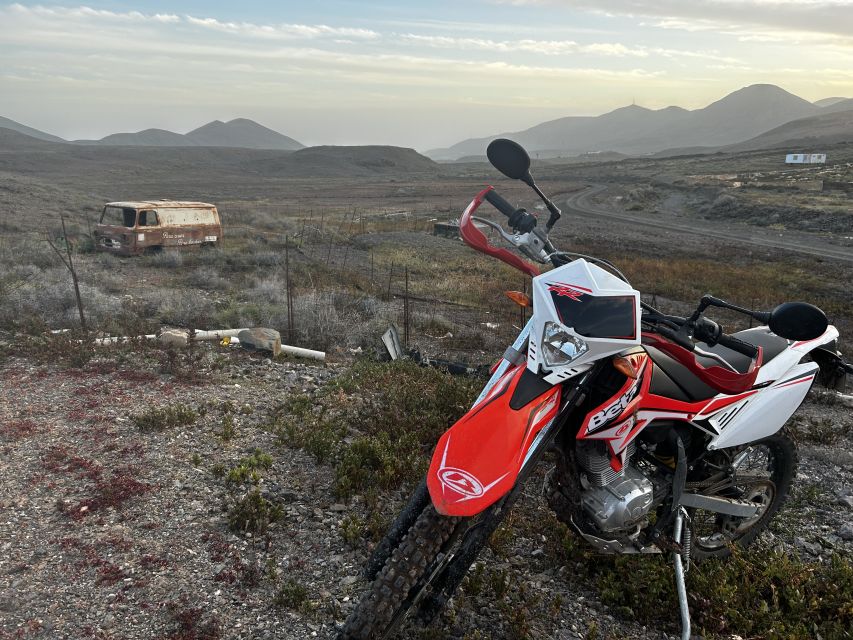
The included gear list is detailed, and that’s another reason this tour feels like good value. You get:
- motorcycle
- fuel
- guide’s care
- training before ride
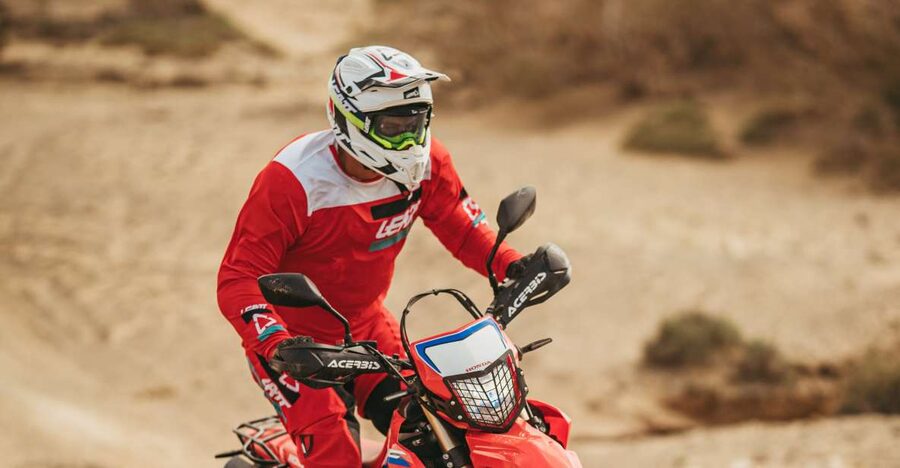
- protective kit: helmet, goggles, boots, pants, jersey
- set of protectors
- pickup and drop-off in the south
The one item they specifically call out is a balaclava. It’s necessary, and you can purchase one if you don’t have it ready. The stated cost is 7 EUR. That’s small, but it can save you hassle on the day, so I’d treat it as required prep.
Also note the “no luggage or large bags” rule. If you’re carrying bulky beach gear, swap to a small day bag you can manage. The tour is about riding, not storing.
Difficulty level and route choices: what to expect if you are a beginner
This is one of those activities that works across levels, but only if you match your expectations. If you’re new to enduro, you’ll start easier. Training builds up to the main ride. People specifically mention practice in a small enclosed area first, then heading out to the more interesting terrain.
At the same time, the tour can still be challenging. One consistent theme is that steep slopes can feel tough until you find the right rhythm and technique. The good news is that Michal adapts the route depending on participant confidence. If you’re willing to ride within your comfort band at first, you’ll likely end up pushing a bit farther than you thought you could.
If you’re experienced, you still benefit from structured coaching. Off-road technique isn’t just about being brave, it’s about being precise. Even skilled road riders often find they need adjustments when the ground turns sandy or rocky.
If you want a “let’s just ride and don’t teach me” day, this may feel more instruction-based than you expect. But if you like improving while having fun, it’s a sweet spot.
Price and value: what $240 covers and where it makes sense
The listed price is $240 per person for about 3 hours total, with about 2 hours of riding time. That sounds simple, but the value is in what’s included:
- the enduro bike
- fuel
- training before riding
- helmet, goggles, boots, pants, jersey, protectors
- a live guide
- pickup and drop-off in the south
When you add up those costs on your own, the price starts to look fair. A guided off-road day is expensive mainly because of time, equipment, and safety. Here, you’re getting the full package without needing to hunt down rental gear or an instructor.
My practical take: it’s best value if you don’t already have off-road gear, or if you want coaching to reduce beginner mistakes. If you already own everything and have a friend with experience, you could theoretically do it cheaper on your own. But you’d still lose the training and the guided route choice that keeps the day fun rather than frustrating.
The only “gotchas” are the extras that depend on you, like the balaclava purchase and potential young-driver or licence-timeline insurance fees.
When to ride: weather, rain, and the rain-or-shine reality
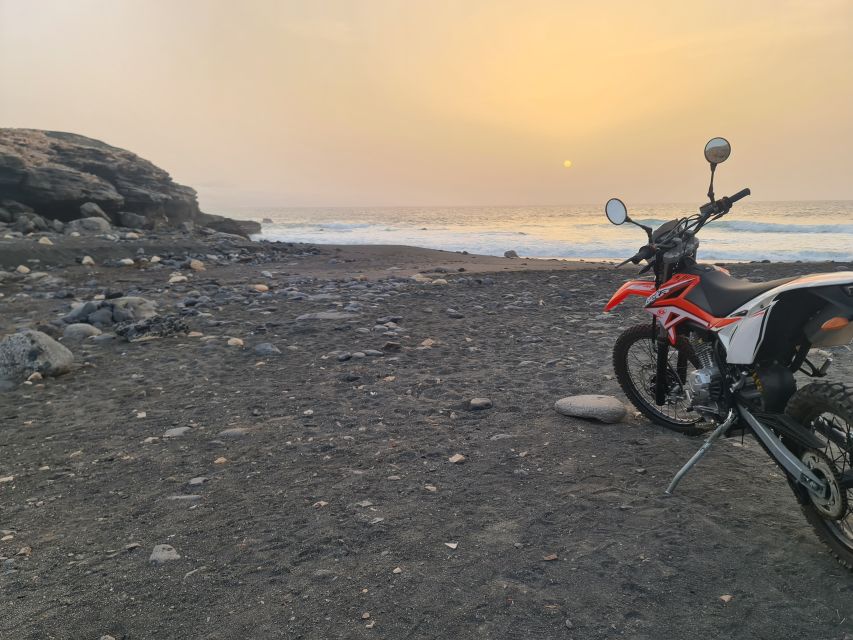
The tour runs rain or shine. That means the off-road surfaces you ride can change quickly. Even in good weather, off-road riding on sand and rocks can be slick. In rain, expect more unpredictability, especially on steeper bits.
So dress with that reality in mind. Wear what lets you stay comfortable in gear. If you’re thinking you’ll be able to do this in flip-flops or light clothing, don’t. You’re going to be in full protective gear, and the environment will decide how wet and gritty it gets.
Who this tour suits best (and who should skip it)
This is best for adults who want a hands-on off-road motorcycle experience in a small group. It’s especially good for:
- first-time enduro riders who want training before hitting rough terrain
- road motorcycle riders who need to adapt to an enduro bike
- riders who enjoy challenging sections but want route adjustments based on skill
It’s not suitable for people under 21 years, and there’s an age and insurance structure tied to young drivers. It’s also noted that divers without certification are not suitable, though that seems unrelated to riding.
One person rides one motorcycle, so if you’re traveling as a couple or a group, plan for separate bikes and separate riding time.
Should you book this enduro trip on Fuerteventura South?
I’d book it if you want the south of Fuerteventura the way it was meant to be experienced, by getting off the road and feeling the terrain under your wheels. The combination of small-group size, real training, and two hours of riding makes it a high-value “do it while you’re here” activity.
Skip it if you hate physical work, dislike steep challenges, or want a laid-back sightseeing pace. This tour asks for attention and a willingness to learn in motion.
If you’re on the fence, here’s my easy decision rule: if you’re excited by the idea of learning off-road basics and getting guided access to gravel, sand, and rockier routes, this is a strong match. If you just want photos and paved viewpoints, you’ll probably get more satisfaction from a calmer day trip.
FAQ
How long is the enduro trip, and how much time do I spend riding?
The total experience is about 3 hours, including time to change and the training session. You get around 2 hours of riding.
Is there training before we ride off-road?
Yes. There is training before the ride, plus time to discuss techniques. You also practice before heading out to the off-road sections.
What driving licences are accepted?
The tour specifies licence category B (car), A1 (125cc), and A2 or A (250cc or more).
What gear is included, and do I need anything extra?
You get a helmet, goggles, boots, pants, jersey, and protectors. A balaclava is necessary, and you can purchase one if you don’t have it.
Where does pickup and drop-off happen?
Hotel pickup and drop-off are included for the south, including La Lajita, Tarajalejo, Las Playitas, Costa Calma, and La Pared. Pickup may also be possible for Morro Jable, Esquinzo, and Caleta de Fuste.
Will the tour run in rain?
Yes. The tour takes place rain or shine.
Recently added around Spain
- Granada: Traditional Flamenco Show in a Cave Entry Ticket★ 4.6 · 93 reviews
- Granbazán Winery: Guided Tour and Wine Tasting★ 4.9 · 88 reviews
- Guggenheim: Art explained by artists★ 5.0 · 69 reviews
- Granada: Traditional Bath in the Nasrid Palace Hammam★ 4.6 · 624 reviews
- Granada: Traditional Flamenco Show at Tablao Casa Ana★ 4.8 · 390 reviews
- Granada: Historic Center and Lower Albaicin Walking Tour★ 4.7 · 136 reviews
- Granada: Alhambra Palace Guided Tour★ 4.3 · 224 reviews
- Granada: Tapas Crawl★ 5.0 · 86 reviews