
Reviewed · WINE TASTINGS & BODEGA TOURS
Gran Canaria: Winery Tour, Wine Museum, and Tasting
Wine history tastes better when the cellars are real. This Gran Canaria visit blends a century-old organic winery with the island’s wine museum, then finishes with a guided tasting that feels both traditional and surprisingly easy to enjoy.
I love the hands-on rhythm of the tour, from old photos and vineyard walks to the smell of wine fermenting in wooden casks. I also like the simple payoff at the end, two wines paired with local cheese, toasted bread, and olives, which makes the whole experience feel like more than just sightseeing.
One possible drawback: you are responsible for getting yourself to the meeting point, since hotel pickup and drop-off are not included.
In This Review
- Key highlights at a glance
- Where this tour takes place: Bodega San Juan, Finca El Mocanal
- The 1.5-hour flow, and why it works
- Organic vineyards, volcanic soil, and the grapes you came for
- The family estate story, told with photos and real continuity
- 100-year-old lagares: stone wine-making you can still picture
- The cellar smell test: wooden casks and fermentation aromas
- Gran Canaria’s wine museum: old machinery, then modern facilities
- The tasting: two wines with cheese, toast, and olives
- Food and photo moments you should look for
- Price and value: why $34 can make sense here
- Who this tour fits best
- Quick practical tips before you go
- Should you book this Gran Canaria winery and wine museum tour?
- FAQ
- Where do I meet for the Gran Canaria winery tour?
- How long is the tour?
- How much does the tour cost?
- What’s included in the tasting?
- How many wines will I taste?
- Is the tour guided in English?
- Does hotel pickup and drop-off come with the tour?
- Does the tour run in bad weather?
- Can I reserve and pay later?
- Is free cancellation available?
Key highlights at a glance
- Organic vineyards on volcanic soil, including endemic grape varieties
- The only wine museum in Gran Canaria, with old tools and machinery to compare then vs now
- 100-year-old stone lagares, the kind you picture from early wine-making days
- Cellar time with wooden casks, so you get the real scent of fermentation
- Garden-side tasting with two wines, local cheese, toast, and olives
- English-language hosting by guides such as Maria, with friendly, story-led explanations
Where this tour takes place: Bodega San Juan, Finca El Mocanal
This experience is built around a real, working family winery: Bodega San Juan, Finca El Mocanal. The meeting point is listed clearly, and you’ll want to plan to arrive on your own, because there’s no hotel pickup.
Practically, that means you should treat this as a short outing with a fixed starting time. I suggest factoring in extra time to reach the finca, then arriving a bit early so you can settle in before the guide starts walking the group through the estate.
More bodega visits in Gran Canaria:
- Montserrat & Cogwheel Train, Gourmet Wine Tasting & Tapas/Lunch
★ 5.0 · 6,290 reviews - Barcelona: Montserrat, Cogwheel, Black Madonna & Winery Tour
★ 4.8 · 5,633 reviews - Montserrat with Black Madonna & Medieval Winery with Tapas/Lunch
★ 5.0 · 5,209 reviews
The 1.5-hour flow, and why it works
At about 1.5 hours, the tour hits a nice sweet spot. You get enough time to see the winery’s history and the winemaking process, but it doesn’t turn into an all-afternoon commitment.
You’ll generally move in a logical order: meet the host, learn the family story, walk through the organic vineyards, see older winemaking tools, then compare the past with the modern setup. The finale is the tasting, where everything you just learned gets translated into flavor, paired with local bites.
If you like tours where information has a direct payoff, this one makes sense. You’re not just collecting facts, you’re connecting grape to bottle and then tasting the result.
Organic vineyards, volcanic soil, and the grapes you came for
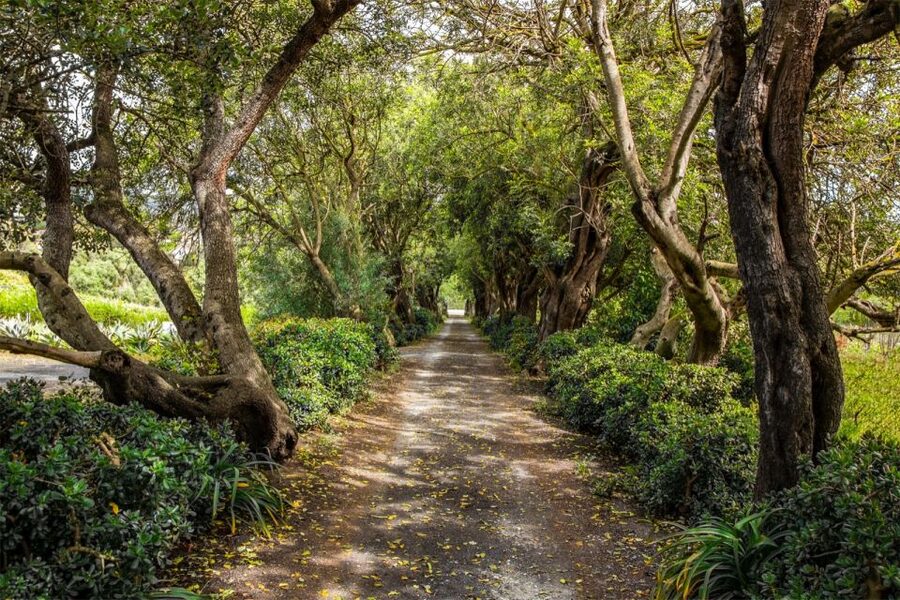
A big part of the charm here is how the tour explains why Gran Canaria wine tastes the way it does. You’ll stroll through the organic vineyards where grapes ripen under the sun, and you’ll hear about endemic grape varieties and the importance of volcanic soil.
What I like about this approach is that it avoids vague wine talk. Instead of only describing flavors, the guide focuses on what’s happening outside the barrel. Volcanic soils can influence how vines grow, and the tour ties that back to the choices made in the vineyard.
You’ll also hear that keeping an organic crop in top condition takes real work. Even if you know nothing about viticulture, you can still follow the logic because the guide frames it as day-to-day effort, not a mysterious “wine magic” moment.
The family estate story, told with photos and real continuity
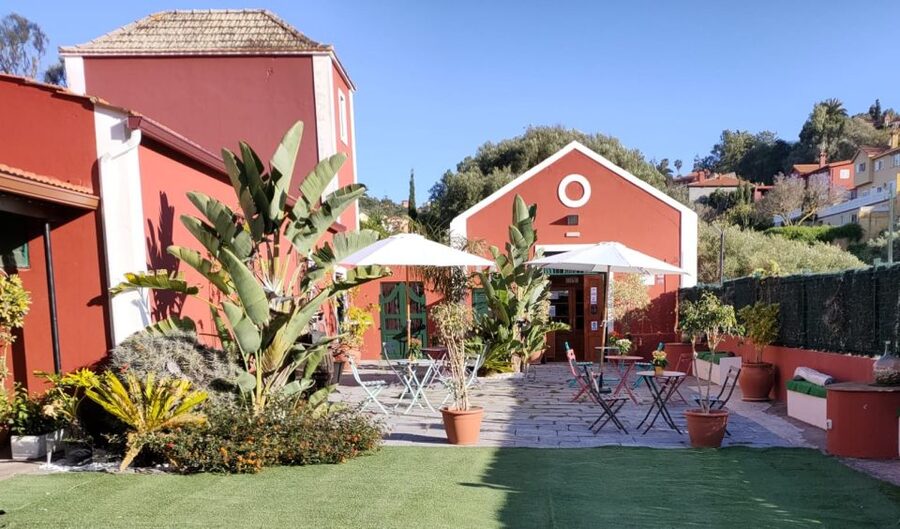
This isn’t a corporate production line. The winery is described as lasting across five generations on Gran Canaria, and you’ll look at old photos as you get the background of the estate.
I find this matters because it changes how you experience the place. When you hear the story of how the family farmed, adapted, and kept the organic method going over time, the stonework, tools, and cellar details don’t feel like decorations. They feel like evidence of continuity.
One detail worth noting: the hosting is in English, and guides can explain in a way that works for different visitors. In past experiences with this kind of setup, that makes a big difference if your group has mixed comfort levels with English.
Other days out near Gran Canaria
- Gran Canaria: Camel Ride Safari w/ Optional Food & Transport
★ 4.2 · 1,167 reviews - The Volcano Heart Tour: Hiking, Tasting and Sunset Experience
★ 5.0 · 1,120 reviews - Gran Canaria: Catamaran Day Trip with Food and Drinks
★ 4.8 · 845 reviews - From Puerto de Mogán: Sailboat Trip with Food and Drinks
★ 4.8 · 293 reviews
100-year-old lagares: stone wine-making you can still picture
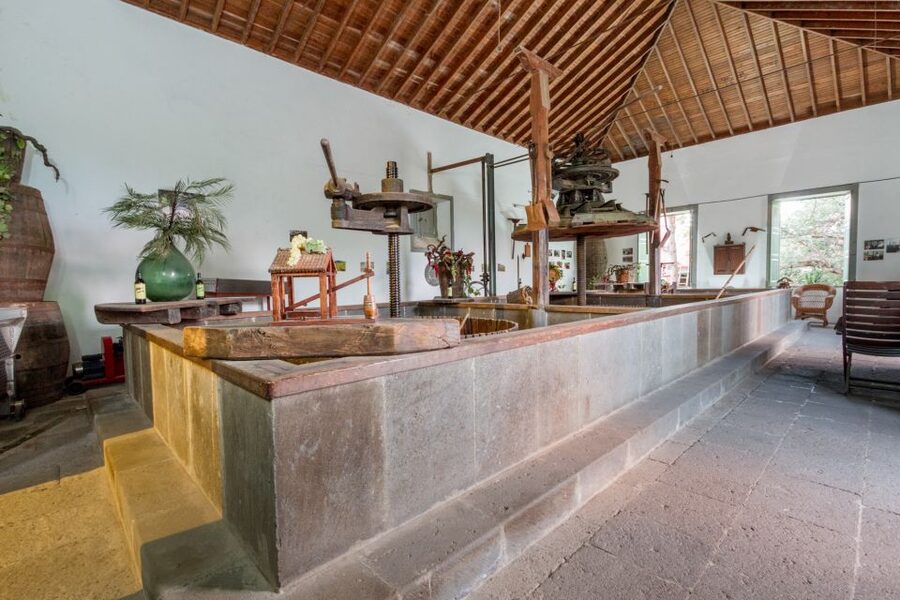
One of the most memorable stops is the 100-year-old stone lagares. This is where grapes were once trodden, a reminder of how winemaking used to happen in a much more physical, hands-on way.
Seeing old wine-making infrastructure in person helps you understand why modern systems exist. You can literally compare the “then” method with what comes next, and it makes the evolution of the winery feel practical rather than just historical trivia.
If you’re the kind of person who likes architecture and old materials, this stop gives you that visual payoff too. The stone, the shape of the space, and the sense of time all come through quickly.
The cellar smell test: wooden casks and fermentation aromas
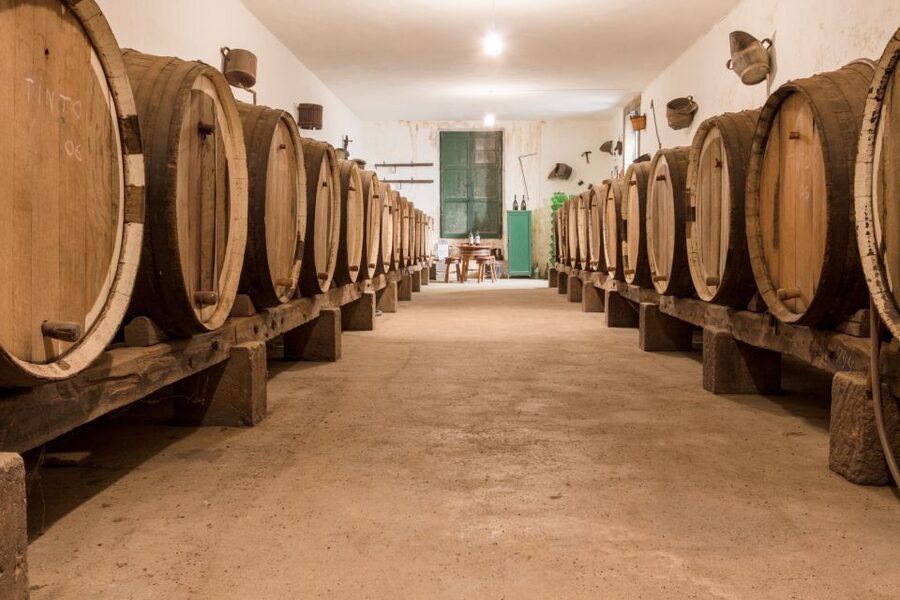
As you enter the cellar, you’ll notice the aromas from wines fermenting in wooden casks. That sensory moment is more than a cute extra. It anchors the tour in what’s real and happening now, not only what used to be done.
What I’d pay attention to here: the guide’s explanation of grape to bottle. When the process is described right after you smell fermentation, the steps become easier to remember. It’s one of those small tour design choices that makes the final tasting more meaningful.
Also, if you’re taking photos, the cellar can be atmospheric for pictures. Just be sure you don’t block the group or the guide while she’s explaining, since this is a working area.
Gran Canaria’s wine museum: old machinery, then modern facilities
The tour includes time at the wine museum, described as the only one in Gran Canaria. You’ll explore a collection that shows the evolution of winemaking, including old machinery alongside the modern facility.
This is where the trip becomes more than a vineyard walk. You get to see how the winery’s tools and methods changed over time, and you can compare how old processes translate into modern production. For wine lovers, it’s a satisfying bridge between romance and real engineering.
I also like that it’s paced. The museum stop isn’t just a slow march through glass cases. It’s part of a guided story, so you’re not left guessing what you’re looking at.
The tasting: two wines with cheese, toast, and olives
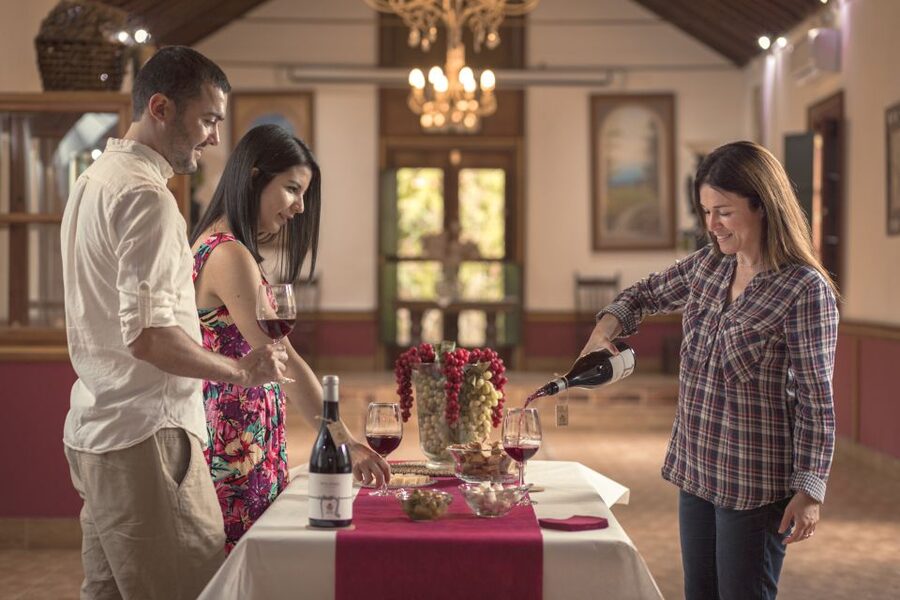
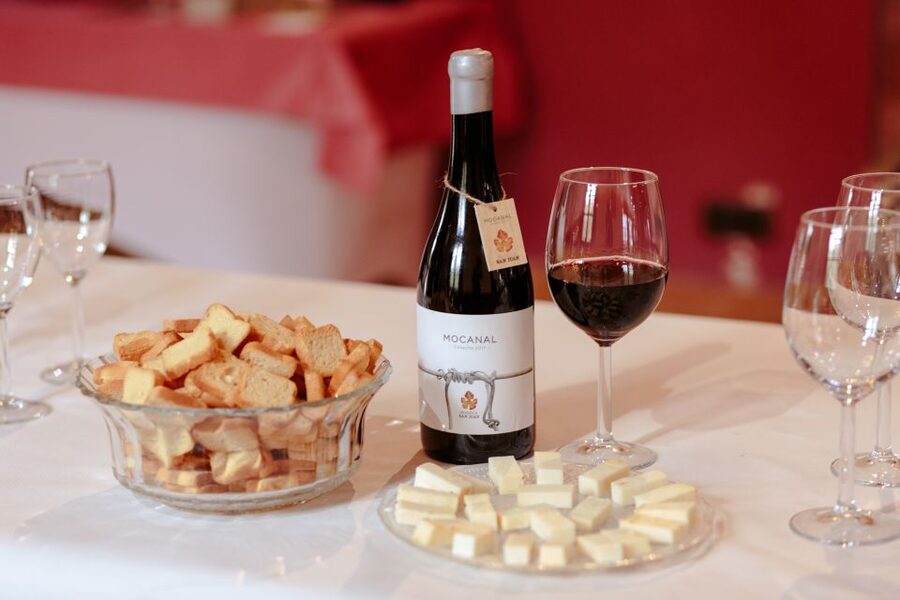
At the end of the guided tour, you’ll enjoy two wines in the tasting area. The tasting is paired with Gran Canaria cheese and toasted bread, and olives are also listed as part of the snacks.
This is the moment where the tour earns its value. You’re tasting in the context of everything you just learned, from vineyard choices to winemaking changes over time. It’s also a smart pairing: cheese and bread keep the tasting easy to enjoy, and olives add a salty, local touch that helps keep your palate from getting overwhelmed.
One practical consideration: in at least one case, the winery’s own red wine wasn’t available to buy during the visit. That doesn’t affect the guided tasting you’re getting, but it can change what’s on offer for take-home purchasing, so don’t plan your day around buying a specific bottle.
Food and photo moments you should look for
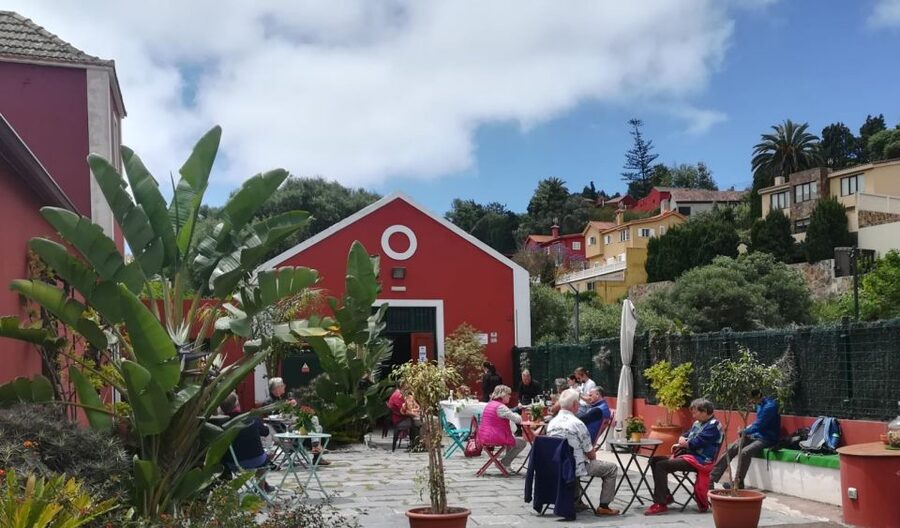
Beyond the formal tasting, this is the kind of estate where the setting matters. One guide-led tasting experience is described as happening in a garden on the property, with butterflies around during the pour. Even if your weather or timing is slightly different, it suggests the tasting space is meant to be pleasant, not rushed.
And yes, you’ll have photo opportunities. The rolling vineyards and the historic buildings give you plenty of natural angles, and the cellar and museum stops offer more “close-up detail” shots. If you want good pictures, plan to take photos in short bursts while the guide pauses between explanations.
Price and value: why $34 can make sense here
For about $34 per person and roughly 1.5 hours, the value comes from what’s included, not from hype. You’re paying for a guided farm tour, the wine tasting (two wines), and food that’s meant to support the tasting: cheese, toast, and olives.
A lot of wine experiences charge similar money for a much lighter explanation, or they rely on you to “figure it out” on your own. Here, the tour links vineyard, tools, and history, then pays it off with a guided tasting at the end.
If you enjoy historic sites and like understanding how organic farming and volcanic soils connect to what ends up in your glass, this is a strong match for the price. If your goal is only to drink and you don’t care about process or heritage, you might prefer a more purely tasting-focused stop elsewhere.
Who this tour fits best
This is a good choice if you want:
- A family-run, organic wine experience
- A meaningful stop at a wine museum, not just a quick look
- A guided explanation in English
- A tasting that includes food, so it’s comfortable and satisfying
It’s also a solid option for a “short afternoon” plan. The 1.5-hour timing means you can fit it alongside other Gran Canaria activities without feeling like you’re sacrificing your whole day.
If you dislike walking at all, keep in mind the tour includes vineyard strolling and moving between cellar, museum, and tasting spaces. Comfortable shoes are a safe bet.
Quick practical tips before you go
- Get to the meeting point on time (hotel pickup is not included).
- Wear shoes that handle vineyard paths, since the experience runs rain or shine.
- Bring a charged phone or camera if you like estate photos, especially in the vineyards and museum areas.
- If you’re sensitive to strong smells, note that the cellar includes fermentation aromas in wooden casks, and it’s part of the experience.
Should you book this Gran Canaria winery and wine museum tour?
Yes, I think you should book if you want a short, family-style winery visit that mixes organic vineyard detail, historic tools like the stone lagares, and a real guided tasting of two wines. The structure is efficient, the included snacks make the tasting feel complete, and the English hosting (with guides like Maria) gives you enough context to enjoy what you’re tasting.
Skip it only if you’re looking for a long, upscale multi-course wine experience or if you strongly prefer tours with hotel pickup. Otherwise, this is a very practical way to spend 1.5 hours with Gran Canaria wine culture, in a place that has kept its roots, even as it modernized.
FAQ
Where do I meet for the Gran Canaria winery tour?
You meet at Bodega San Juan – Finca El Mocanal.
How long is the tour?
The duration is 1.5 hours.
How much does the tour cost?
The price is $34 per person.
What’s included in the tasting?
You get wine tasting with two wines, plus snacks including cheese, toast, and olives.
How many wines will I taste?
You’ll taste two fine wines.
Is the tour guided in English?
Yes, the host or greeter is listed as English.
Does hotel pickup and drop-off come with the tour?
No, hotel pickup and drop-off are not included.
Does the tour run in bad weather?
The tour takes place rain or shine.
Can I reserve and pay later?
Yes, you can reserve now and pay later.
Is free cancellation available?
Yes, you can cancel up to 24 hours in advance for a full refund.
More Museums in Gran Canaria
- Madrid: Prado Museum Entry Ticket
★ 4.6 · 20,699 reviews - Barcelona: FC Barcelona Museum “Barça Immersive Tour” Ticket
★ 4.4 · 10,944 reviews - Madrid: Reina Sofía Museum Entrance Ticket
★ 4.5 · 8,788 reviews - Barcelona: Park Güell and Gaudí House Museum Entry Ticket
★ 4.5 · 6,326 reviews
More Wine Tours in Gran Canaria
- Montserrat Half-Day Tour with Tapas and Gourmet Wines
★ 5.0 · 7,359 reviews - Barcelona Tapas and Wine Experience Small-Group Walking Tour
★ 5.0 · 5,804 reviews - Barcelona: Tapas Walking Tour with Food, Wine, and History
★ 4.8 · 4,261 reviews - Madrid Tapas & Wine Tasting Walking Tour – Small Group Local Bars
★ 5.0 · 3,644 reviews
Recently added around Gran Canaria
- Gran Canary: 70’s VW Buggy Tour★ 4.8 · 73 reviews
- Gran Canaria:Live an Adventure and Learn to Dive with Expert★ 4.7 · 109 reviews
- Gran Canaria: 6-Hour Teror and San Mateo Markets Tour★ 4.1 · 130 reviews
- Gran Canaria Surf Lessons: Playa del Inglés & Maspalomas★ 4.8 · 76 reviews
- Gran Canaria: Vegas Rouge Show at Sala Scala★ 4.5 · 64 reviews
- Gran Canaria: Snorkeling Trip★ 4.1 · 105 reviews
- Gran Canaria : Skydiving over Maspalomas Dunes★ 5.0 · 81 reviews
- Gran Canaria: Shared yacht trip with drinks, lunch, and snorkeling★ 4.8 · 630 reviews
Wine Tastings & Bodega Tours, compared.

Montserrat & Cogwheel Train, Gourmet Wine Tasting & Tapas/Lunch
Read our review →
Montserrat, Cogwheel, Black Madonna & Winery Tour
Read our review →
Montserrat with Black Madonna & Medieval Winery with Tapas/Lunch
Read our review →
Madrid Tapas & Wine Tasting Walking Tour – Small Group Local Bars
Read our review →
Toledo Tour & Vineyard Walk with Wine Tasting from Madrid
Read our review →

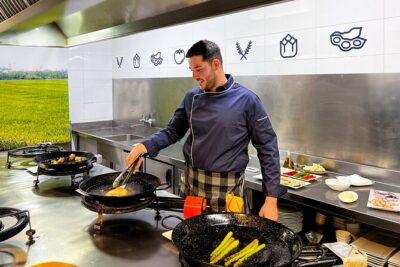
Paella Cooking Class, Wine Tasting & Central Market in Valencia
Read our review →Browse the lists this tour appears in