
Reviewed · WALKING TOURS
Granada: Albaicín and Sacromonte Walking Tour
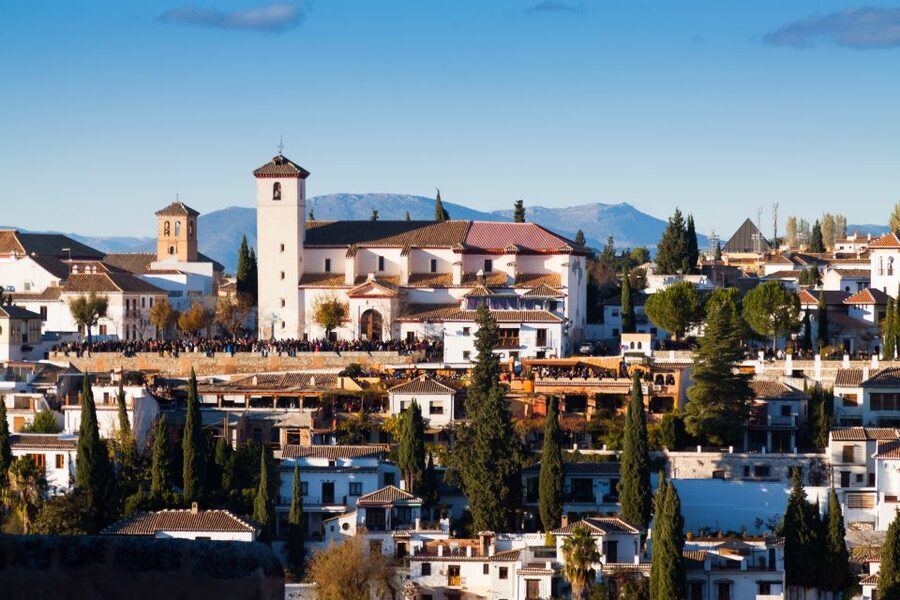
Granada unfolds on uphill cobblestones, and this walk explains why. You move through the Albaicín and Sacromonte quarters, where the last Muslim city in Iberia left visible marks, then you get the kind of Alhambra views you normally need a ticket for.
I really like two things here: first, an official tour guide who connects the streets to the bigger story of Granada, not just facts on plaques. Second, the route is built for those “stop and look” moments, especially when the Alhambra opens up over the rooftops.
The main drawback is physical. This is a step-and-slope tour, so if you have mobility limits, or you hate climbs, you will feel it fast. It also runs rain or shine, so bring what you need for wet or hot weather.
In This Review
- Key things I think you’ll care about
- Getting Oriented at Plaza Isabel la Católica
- Plaza Nueva to the Albaicín: stepping from city life into the old quarter
- Callejón del Aljibe de Trillo and Placeta Comino: where the maze becomes memorable
- Plaza de San Nicolás: the Alhambra view you plan your whole trip around
- Puerta de las Pesas and Plaza Larga: moving through historic thresholds
- Sacromonte: cave homes, Gypsy settlement, and flamenco culture
- Cuesta del Chapiz and Paseo de los Tristes: viewpoints on the way, not after
- Carrera del Darro: the final stroll that ties it together
- Price and logistics: what $18 buys you (and what it does not)
- Pace, group size, and guide style that keeps you from burning out
- Who should book this walking tour
- Should you book this Granada Albaicín and Sacromonte tour?
- FAQ
- What is the duration of the Granada: Albaicín and Sacromonte Walking Tour?
- Where does the tour start?
- What languages are available?
- What should I bring for the walk?
- Is the tour suitable for wheelchair users?
- Is food or transport included?
Key things I think you’ll care about
- Official guide, one language: English, French, or Spanish, chosen at booking.
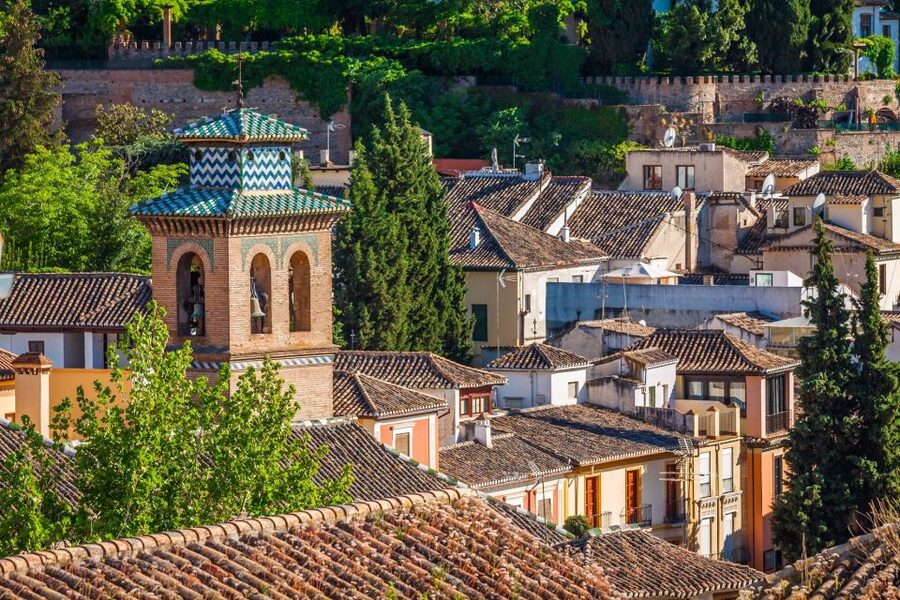
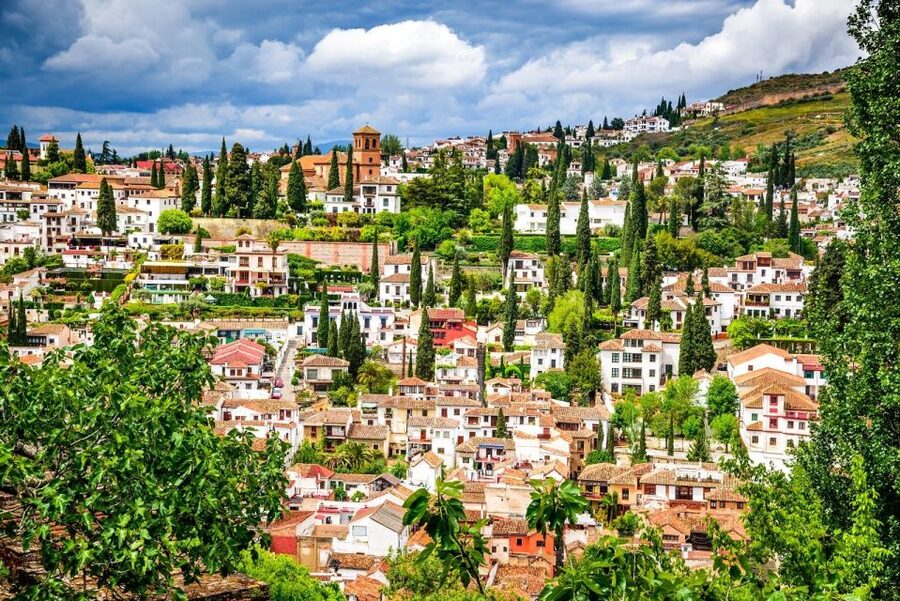
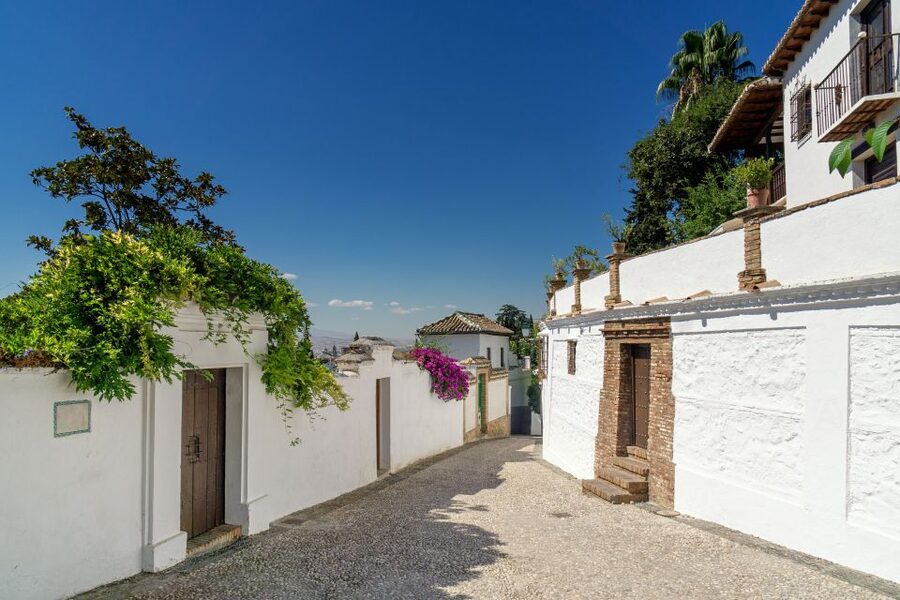
- Albaicín alley magic: narrow lanes, white houses, and flowered balconies that feel like a living maze.
- Sacromonte cave quarter visit: you see why caves became homes and what that means for local culture.
- Best-view style stops: frequent picture moments aimed at the Alhambra.
- Short rests built in: the pace includes pauses so you can keep up without sprinting uphill.
- Comfort rules matter: good shoes, water, and sun protection are not optional on a route like this.
Getting Oriented at Plaza Isabel la Católica
Most Granada walking tours start in a pretty square. This one starts at a useful one: Plaza Isabel la Católica (18009 Granada), behind the monument of the Capitulations. That landmark matters because it gives you a clean first reference point before the neighborhoods twist into themselves.
Your tour begins with a brief walk and then quick orientation. You are not just learning where to go, you’re learning how to read the place while you walk. The guide frames what you’re about to see, including the idea of Granada as the final stronghold of Muslim rule in Spain, and how later cultures shaped what’s here.
Also keep in mind how the meeting point affects timing. If you’re late, you can lose time before the first climb starts. Arrive a few minutes early, locate the monument, and be ready to move.
More Walking Tours in Granada
- Granada: Albaicín and Sacromonte Guided Sunset Walking Tour
★ 4.9 · 2,962 reviews - Guided Walking Tour of the Alhambra in Granada
★ 4.0 · 863 reviews - Granada’s Hidden Treasures: Albayzin and Sacromonte Walking Tour
★ 4.5 · 575 reviews
Plaza Nueva to the Albaicín: stepping from city life into the old quarter
From the city-center feel of Plaza Nueva, you transition into the Albaicín, the Moorish quarter. The change is immediate once you start threading the streets: wider spaces become tighter passages, and the air shifts from “main sights” mode to “day-to-day neighborhood” mode.
Plaza Nueva is a good launch pad because it helps your brain map the hill. Once you’re walking upward, you’ll understand why Albaicín feels dramatic even when the buildings are just white walls and simple doorways. The guide uses these first minutes to set context for the rest of the tour: where the old city’s power sat, what kinds of structures you’re passing (walls, gates, palaces, mosques), and why so many stories are tied to this slope.
Expect lots of small turns and brief stops. That’s not wasted time. It’s how you avoid getting lost in a place where the streets can look similar but lead to very different viewpoints.
Callejón del Aljibe de Trillo and Placeta Comino: where the maze becomes memorable
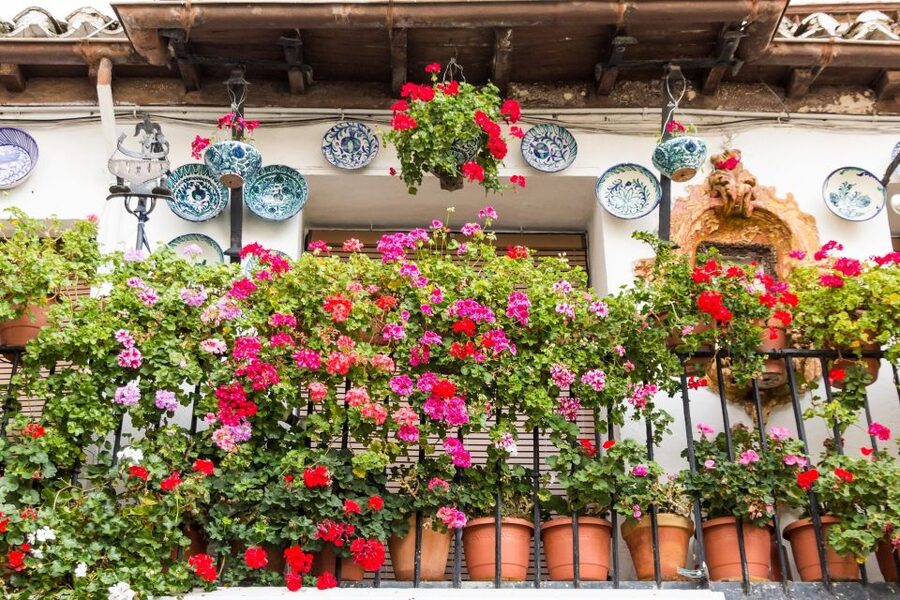
Next come narrow lanes like Callejón del Aljibe de Trillo and the small pause you get at Placeta Comino. These are the parts of Granada that are hard to appreciate without someone pointing out what you’re actually looking at.
The alleys matter because they preserve the feel of the old quarter. You’ll notice the rhythm of the climb, the way you keep switching between street-level steps and sudden little “breathing spaces” where you can see more sky than you expected. That’s where your photos improve too, because you’re not just photographing buildings, you’re photographing the perspective the neighborhood creates.
One practical note: even if the stops are short, the cumulative effect is real. The route moves efficiently from one corner to the next, so if you want to take extra photos, plan to do it during the guided pauses rather than trying to stop every few meters.
Plaza de San Nicolás: the Alhambra view you plan your whole trip around
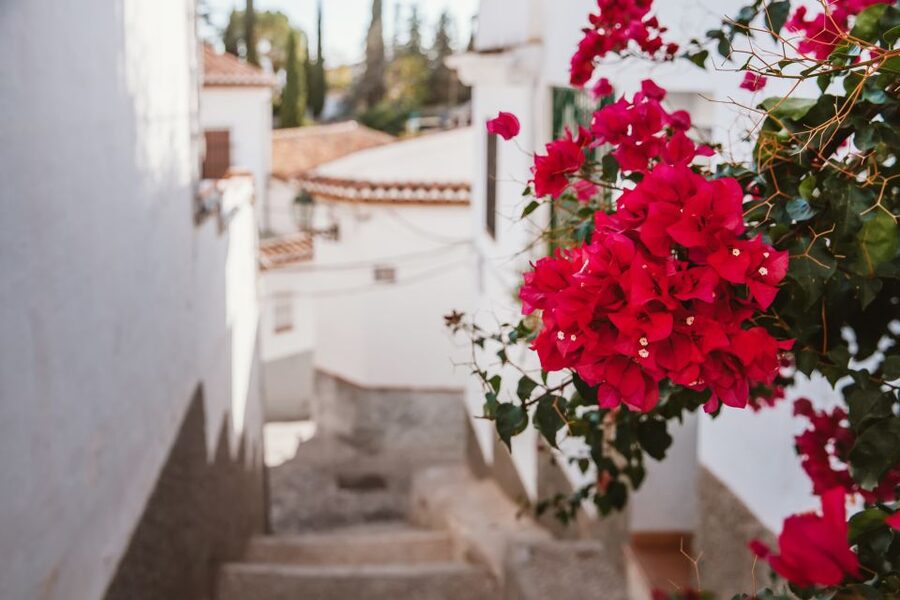
Then you reach Plaza de San Nicolás, a true photo stop. This is one of the places where the Alhambra becomes the star of your frame. Standing here, you understand why this viewpoint is so famous: the hilltop and the city’s layered roofs turn the Alhambra into something more than a distant monument.
Your guide spends time at the viewpoint, not just a quick “look over there.” You’ll get context for what you’re seeing and why these angles became iconic for the city. If you’re traveling during a clearer light day, the view will feel crisp and graphic. If it’s hazy, it still works, because the composition and depth stay visible.
Timing is another big deal. This stop is in the earlier half of the walk, so you’ll feel like you’ve unlocked the city before you continue into Sacromonte. It also helps you relax into the rest of the climb, because you already have your major payoff.
Other days out near Granada
- Granada: Walking Food Tour
★ 4.8 · 460 reviews - Granada: Albaicín, Sacromonte & Museum of Caves Walking Tour
★ 4.9 · 244 reviews - Granada: Albaicin and Sacromonte Evening Walking Tour
★ 4.4 · 119 reviews - Barcelona Tapas and Wine Experience Small-Group Walking Tour
★ 5.0 · 5,804 reviews
Puerta de las Pesas and Plaza Larga: moving through historic thresholds
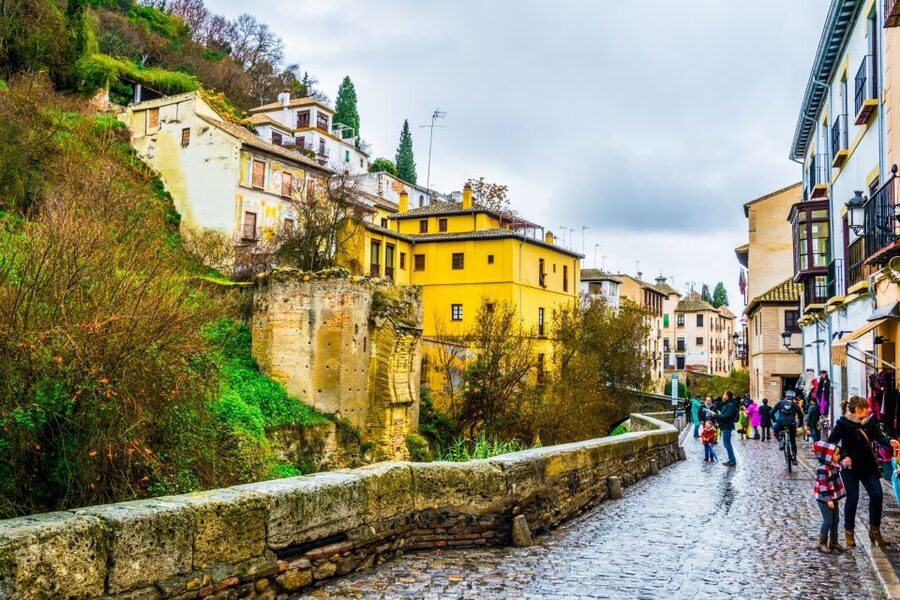
After the big Alhambra moment, the tour returns to “history you can walk through,” at stops like Puerta de las Pesas and Plaza Larga. Gates and plazas may sound minor on a sightseeing checklist, but they do two things in real life.
First, they break up the route. Your legs get a brief reset, and you can adjust your pacing without feeling like you’re rushing. Second, they are natural storytelling points. A gate is never just a wall you pass. It’s a boundary in the city’s mental map, and your guide uses those thresholds to explain how Granada worked as a lived-in place.
This part of the tour is also where you’ll start noticing how the neighborhoods interlock. Albaicín isn’t a single photo location. It’s a network of routes connecting daily life, viewpoints, and cultural influences.
Sacromonte: cave homes, Gypsy settlement, and flamenco culture
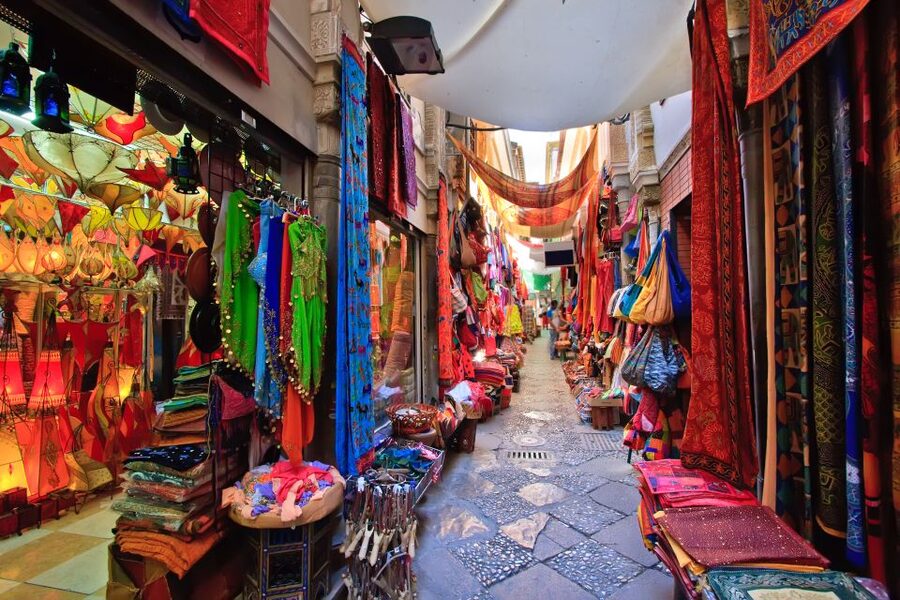
This is the heart of the walk: Sacromonte. You spend about 25 minutes here, and it’s built to show you why this quarter is unlike anything else in Granada.
Sacromonte is known as the flamenco quarter, and the key detail is the caves. You’ll learn why people live in caves dug into the mountains, and why the Gypsy community chose this area as a settlement centuries ago. The result is a sense that culture here isn’t just performed, it’s built into housing, daily rhythms, and the landscape.
What to expect during your time in Sacromonte:
- You’ll see how the cave neighborhood shapes the walk, with tighter paths and more changes in elevation.
- You’ll get the cultural story straight, including how Islamic and later cultures mixed in Granada.
- You’ll likely pause for photos, but the guide will keep the focus on understanding what you’re seeing rather than just snapping pictures.
Caves also mean cooler air at times and different footing. If you’re wearing shoes with good grip, you’ll feel safer and more confident.
Cuesta del Chapiz and Paseo de los Tristes: viewpoints on the way, not after
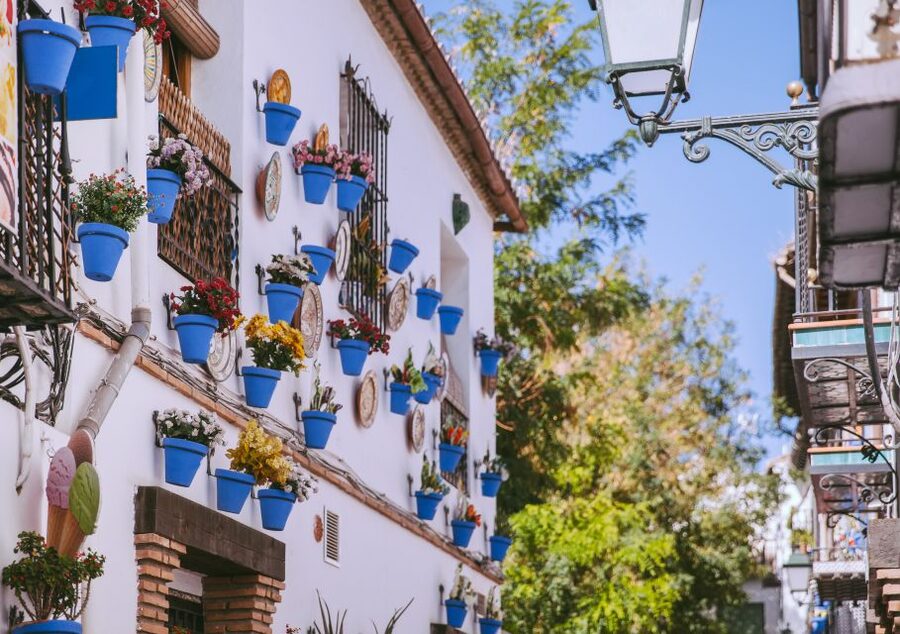
After Sacromonte, the tour continues with Cuesta del Chapiz and then the scenic stretch of Paseo de los Tristes. This segment is all about how Granada reveals itself while you’re still moving.
Think of it as the bridge between the cave quarter and the river-and-center feel you’ll finish with. The walk gives you another run of wide-angle moments, where you can see the city pull back into place. Even if you already got your main Alhambra shot at Plaza de San Nicolás, this is where you notice how the neighborhoods connect visually.
Here’s what I advise: don’t treat this section like a long transfer. Use the pauses to check your footing and drink water when the guide offers chances to rest. You’re climbing on and off throughout the tour, and your energy level will decide how much you enjoy the viewpoints.
If it’s wet, take extra care on uneven pavement. The route includes stairs and sloped streets, and slippery surfaces turn “fine” into “I’m glad I wore the right shoes.”
Carrera del Darro: the final stroll that ties it together
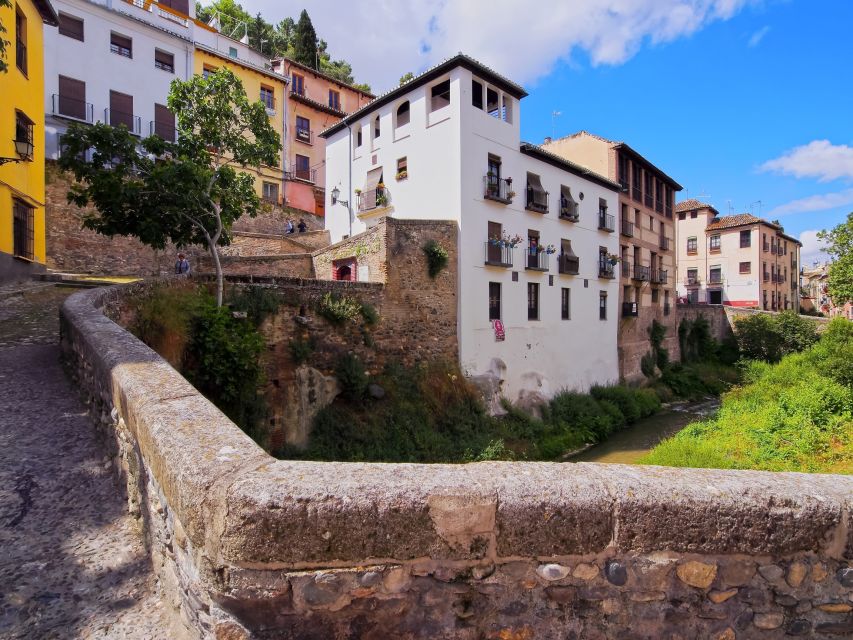
You end with Carrera del Darro, returning toward the city-center finish. This is a great landing zone because it helps you feel how Granada’s beauty connects: you start in a landmark square, wander into the old quarter’s walls and gates, then experience caves and viewpoints, and finally come back to a more open walking rhythm.
The final minutes also help cement the tour’s theme. By the time you reach Carrera del Darro, you’ve seen enough of Granada’s layers that the stories feel less like trivia and more like a map of why this city looks the way it does.
When you return to Plaza Isabel la Católica, you’re not just done with a walk. You’ve gotten your bearings. That matters because Granada rewards wandering, but it can punish aimless wandering on hills.
Price and logistics: what $18 buys you (and what it does not)
At $18 per person for 2 to 2.5 hours with an official guide, this is strong value. The cost isn’t covering transport or food, but you are paying for two things that are hard to DIY here: expert interpretation and efficient routing through a confusing street maze.
Without a guide, you might still find pretty streets and good views. But you’re less likely to get the “why” behind what you’re seeing, especially when it comes to how Islamic Granada shaped the city, and how later communities, including the Gypsy culture associated with Sacromonte, became part of the living landscape.
Also pay attention to what’s not included:
- No transport, meaning you should plan to meet at the starting point on foot or via your own short local ride.
- No food or drinks, meaning you’ll want water and a snack plan outside the tour time.
One more practical note: the tour is not set up for babies, strollers, large bags, or pets. Flash photography is also not allowed. If you travel with camera gear, keep it simple and follow the guide’s instructions.
Pace, group size, and guide style that keeps you from burning out
A big part of why people love this tour is the pacing. The route involves steps and climbing, and you should treat that as part of the experience, not an accident. The good news is the tour includes short stops along the way, which helps a lot.
Guides vary by departure, but recent groups often highlight an engaging style and a willingness to answer questions. You might get a guide like Alejandra, Lorene, Chema, Paula, Maria, Carmen, or Francesco, and the common pattern is clear: the best guides make the neighborhoods feel understandable and personal.
Language is also important. The tour runs in one language only, the one you select when reserving, so don’t count on multi-language explanation during the walk.
If you want to keep the day enjoyable after the tour, consider this a core “get your bearings” experience. You’ll spend the rest of your time in Granada with a mental map instead of wandering uphill without a plan.
Who should book this walking tour
This tour is ideal if you:
- want a guided walk through Albaicín and Sacromonte rather than a self-guided checklist
- care about cultural context, including Islamic and Gypsy connections to Granada’s story
- love viewpoints, especially those framed toward the Alhambra
- can handle uneven streets, stairs, and a hilly route for a few hours
It’s less ideal if you use a wheelchair or have mobility impairments. The walk is clearly designed around climbing streets and stair-heavy segments, and that’s not something you can solve with better shoes alone.
Should you book this Granada Albaicín and Sacromonte tour?
Yes, I think you should book it if you want Granada to make sense fast. For $18, you get an official guide, a route that prioritizes iconic viewpoints like Plaza de San Nicolás, and a real introduction to Sacromonte caves and flamenco culture, not just a quick “walk by.”
Skip it and choose a gentler plan if you know stairs and hills will drain you, or if you’re traveling with limited mobility. Also remember it runs rain or shine, so pack for weather and don’t assume the best time of day will magically fix muddy steps.
If you’re ready for a lively, story-led walk with some serious elevation, this is one of the best ways to understand Granada’s oldest quarters before you wander on your own.
FAQ
What is the duration of the Granada: Albaicín and Sacromonte Walking Tour?
The tour lasts 2 to 2.5 hours.
Where does the tour start?
The meeting point is Isabel la Católica Square (18009 Granada), behind the Monument of the Capitulations (the statue of Queen Isabella I and Christopher Columbus).
What languages are available?
Live guides are available in English, French, and Spanish.
What should I bring for the walk?
Bring comfortable shoes, sunglasses, a sun hat, sunscreen, and water, plus comfortable clothes.
Is the tour suitable for wheelchair users?
No. It is not suitable for people with mobility impairments or wheelchair users.
Is food or transport included?
No. Food and drinks and transport are not included.
Recently added around Granada
- Electric Bike Tour with 2 Options to Explore Granada★ 4.8 · 122 reviews
- Granada: Cathedral of Granada Entry Ticket★ 4.5 · 360 reviews
- Granada: 3-Hour Cathedral and Royal Chapel Tour★ 4.8 · 405 reviews
- Granada: Cathedral, Royal Chapel & 5 Monuments Combo Ticket★ 4.4 · 454 reviews
- Granada: Cathedral and Royal Chapel Private tour with ticket★ 4.8 · 498 reviews
- Granada: Basilica of San Juan de Dios Ticket & Audio Guide★ 4.6 · 336 reviews
- Granada: Alhambra Guided Tour with Nasrid Palaces★ 4.6 · 164 reviews
- Granada: Alhambra Night Visit Entry Ticket★ 3.5 · 478 reviews
Walking Tours, compared.
Barcelona Tapas and Wine Experience Small-Group Walking Tour
Read our review →
Tapas Walking Tour with Food, Wine, and History
Read our review →
Madrid Tapas & Wine Tasting Walking Tour – Small Group Local Bars
Read our review →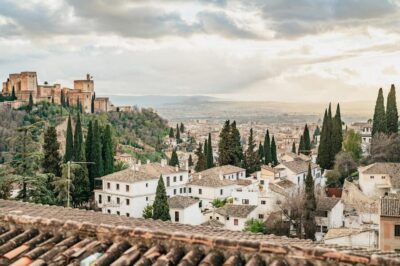
Albaicín and Sacromonte Guided Sunset Walking Tour
Read our review →
Toledo Tour & Vineyard Walk with Wine Tasting from Madrid
Read our review →
Madrid Walking Tour from Puerta del Sol to Retiro Park
Read our review →

Barcelona Tapas Walking Tour: Food, Wine & History
Read our review →Browse the lists this tour appears in