
Reviewed · MUSEUMS
Guided Tour of the Factory + Anchovy Museum
Anchovies get real fast. In Cantabria, this short guided stop pairs live factory work with the unusual Santoña Anchovy Museum, where you learn how anchovies go from sea to tin. I like that you get hands-on context, not just posters.
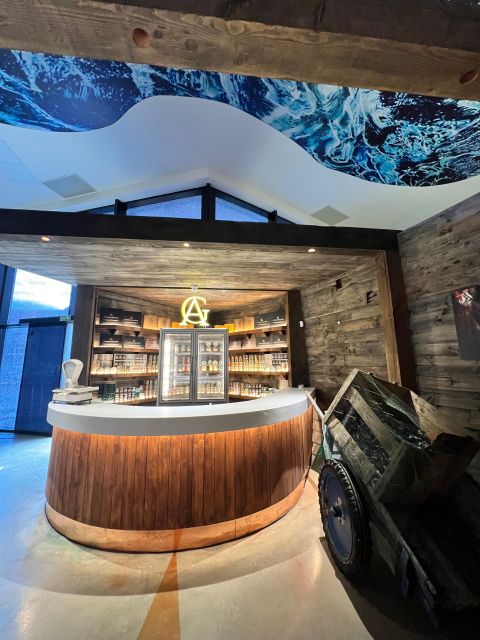
I especially enjoy the museum’s full-senses approach, from sound cues to a seabed setting with old tools and even the remains of a ship you can explore. If you want to understand why people in this region treat canned anchovies like serious food, this is a great way to start.
Two things I like most: you see the live production process when the artisans are working, and the tour ends with a tasting of Conservas Ana María anchovies. At about $8, you are also getting more than a quick museum walk since the experience includes an anchovy and wine pintxo.
One possible drawback: the guide is Spanish only, and the live factory visit only runs in the morning Monday to Friday, so timing matters.
In This Review
- Key highlights to look for
- A 45-Minute Anchovy Reality Check in Santoña
- Where to Meet: Ana María Museum Entrance on C. Baldomero Villegas
- Morning Live Factory View: When the Artisans Are Working
- The Museum Starts With Sound: Sirens, Seabed Spaces, and Old Tools
- Video Room to Real Process: From Sea Catch to Tin or Jar
- Octavillo in the Spotlight: Watching the Tin Container Get Made
- Anchovy and Wine Pintxo: What Comes With the Learnings
- Shopping Inside the Establishment: Bring Home Canned Food You Understand
- Value at About $8: Why This Is a Smart Short Stop
- Fit for Your Trip: Who Should Book This Tour
- Should You Book Conservas Ana María?
- FAQ
- Where is the meeting point for the tour?
- How long does the guided tour last?
- When is the live factory visit available?
- Which days offer the live factory visit?
- What language is the tour guide?
- Is the tour wheelchair accessible?
- What food is included during the experience?
- Can I purchase products at the end of the visit?
- Is there free cancellation and reserve and pay later?
Key highlights to look for
- Live factory visit in the morning when artisans are working (Mon to Fri)
- Anchovy and wine pintxo included, so you taste as you learn
- Santoña Anchovy Museum inside a seabed theme building, with shipwreck remains to find
- Three sirens from the Santoña fish market to kick off the museum experience
- Octavillo made live by a craftswoman, the tin container used for anchovies
- Tasting of Conservas Ana María anchovies to close the loop
A 45-Minute Anchovy Reality Check in Santoña
This is the kind of tour that makes you rethink canned food. You walk in expecting a museum, and you end up with a clear sense of the hard work behind anchovy preservation in Cantabria. The best part is pacing: it is short, guided, and tightly focused on the process.
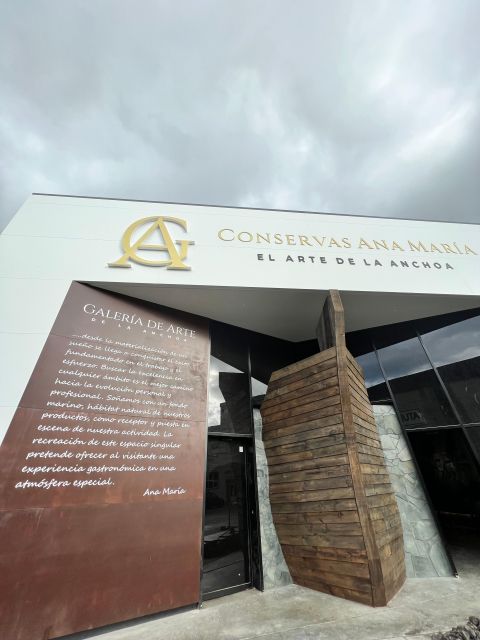
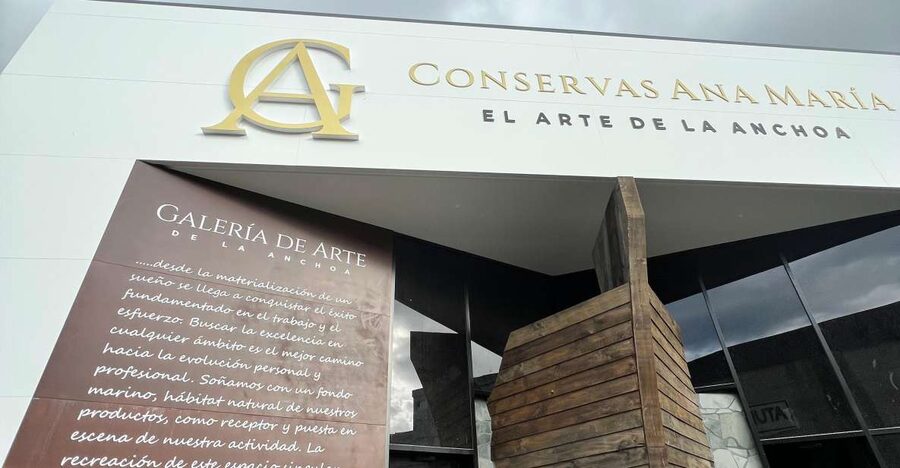
Also, Santoña is built on fishing culture, not foodie trend culture. So the anchovies feel less like a novelty and more like a local craft. The setting helps. You start at the Ana María Canned Food Anchovy Art Gallery, which is also called the Santoña Anchovy Museum. From there, the tour moves from the art gallery world into the practical world of production.
One more plus for your planning: it is wheelchair accessible, and the duration is listed as 45 minutes. The museum portion is described as about an hour, so the schedule can flex a bit depending on which day and whether the live factory slot is running. I would treat it as a fast stop that can run slightly long if the timing lines up that way.
Other days out near Spain
- Madrid: Prado Museum Entry Ticket
★ 4.6 · 20,699 reviews - Barcelona: FC Barcelona Museum “Barça Immersive Tour” Ticket
★ 4.4 · 10,944 reviews - Madrid: Reina Sofía Museum Entrance Ticket
★ 4.5 · 8,788 reviews
Where to Meet: Ana María Museum Entrance on C. Baldomero Villegas
Meet at the entrance to the Ana María Canned Food Anchovy Art Gallery. The address given is C. Baldomero Villegas, 38. This matters because the experience starts right at the museum door, not at the factory gate.
One practical note from a real booking: the street number 38 may not always be easy to spot on the building or along the curb. If you are arriving on foot, I recommend you confirm the exact entrance using your map app before you walk the last few blocks. It saves time and stress.
Once you arrive, you are in the right mood quickly. This is not a dusty archive. The museum has an energetic way of telling the story, starting with sound and moving into hands-on explanation.
Morning Live Factory View: When the Artisans Are Working
The factory part is the star, but it comes with a clear rule. The live production visit is only available in the morning, Monday to Friday, and only when the artisans are working. The stated times are 12:30 p.m. (morning in the provider’s calendar) and it is subject to the working calendar.
If your schedule fits, this is what makes the tour worth it. Watching production makes all the museum details click. You can connect the old tools you see in the exhibition with the workflow you observe in real life.
If your schedule does not fit, you will still do the museum portion. But you will lose the live element. For some people, that is the difference between learning anchovy facts and understanding anchovy work.
The Museum Starts With Sound: Sirens, Seabed Spaces, and Old Tools
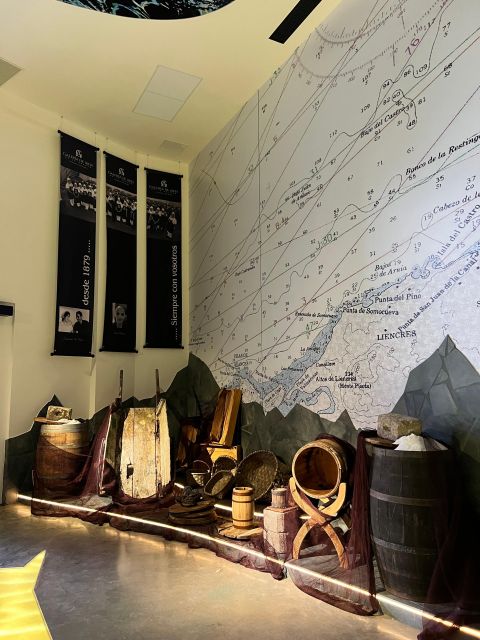
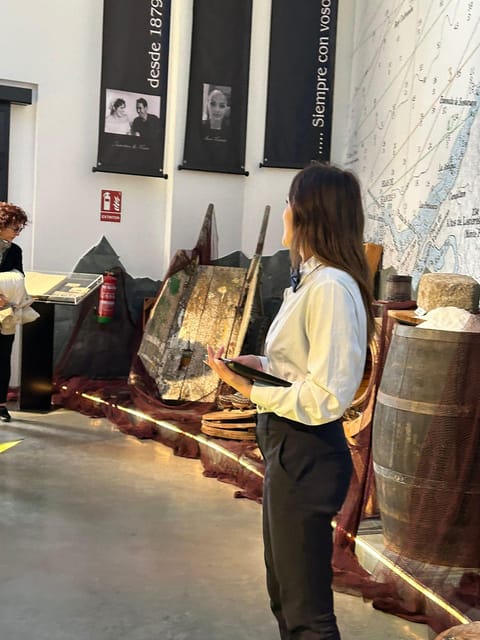
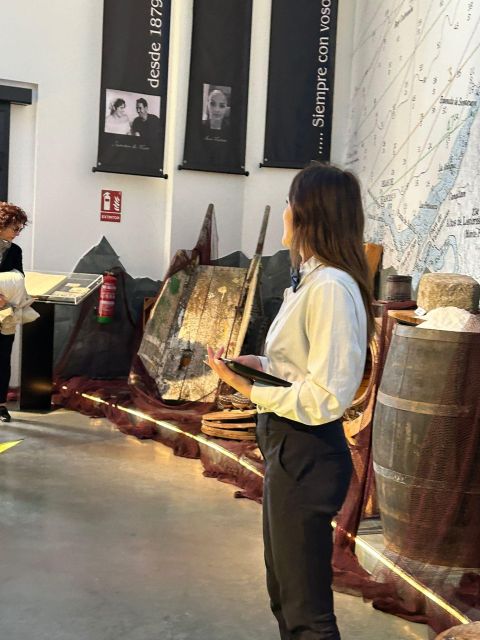
The Santoña Anchovy Museum is built to feel like you are underwater. The building recreates the seabed, and the experience is designed to hit multiple senses, not just your eyes. It is one of those places where you notice details because the space asks you to.
The tour begins with the sound of an auction. It is marked by three sirens of the Santoña fish market, which signal the fish is going to be sold. That moment matters because it grounds the story in local routine. Fishing is not a background detail here. It is the start of everything.
Then you move into the seabed-themed exhibition. You will see a series of utensils from the last century used for fishing and preserving anchovies from the Cantabrian Sea. This gives you context for how preservation was done before modern conveniences. It also helps you appreciate why technique matters when working with something as delicate as fish.
Also within reach of Spain:
- Barcelona: Sagrada Familia Entry Ticket with Audio Guide
★ 4.6 · 105,312 reviews - Barcelona: Park Güell Admission Ticket
★ 4.4 · 76,534 reviews - Seville: Royal Alcázar Entry Ticket
★ 4.6 · 28,378 reviews - Barcelona: Casa Batlló Entry with Self-Audioguide Tour
★ 4.7 · 25,359 reviews
Video Room to Real Process: From Sea Catch to Tin or Jar
After the exhibition section, you enter the projection room. There, a video explains the process anchovies follow, from fishing at sea to preservation in a jar or can.
This is a smart piece of the tour. The museum gives you artifacts and atmosphere. The video gives you a clean, step-by-step overview. Together they help you build a mental map of the whole chain. Without it, it is easy to feel like you are just wandering through old tools.
Even if you only catch part of the video, you still benefit from the guided explanation that runs alongside the tour. The goal is not to memorize chemistry. The goal is to understand the workflow well enough to recognize what you are seeing and tasting later.
Language note: the guide is Spanish. If you speak it, you will get the most out of the narration. If you do not, you might still enjoy the visuals and the food, but some explanations could be harder to follow.
Octavillo in the Spotlight: Watching the Tin Container Get Made
One of the best moments in the museum is the live craft demonstration. A craftswoman shows you live how an octavillo is made. An octavillo is the tin container in which anchovies are preserved.
This is one of those details that can slip by on normal food tours. Here, it becomes central. Cans are not an afterthought. They are part of the preservation method and part of the craft tradition.
When you see the container being made, the tasting at the end feels more connected. You understand that the anchovies are not only about seasoning. They are also about packaging choices that protect the product over time.
Anchovy and Wine Pintxo: What Comes With the Learnings
The tour includes an anchovy and wine pintxo. Even if you are not a wine person, it is a useful way to anchor the experience in taste quickly. You get to connect what you have just seen, the handling and preservation steps, with what the final product can taste like.
Then, the tour ends with a tasting of anchovies from Conservas Ana María. This brand has been awarded national and international prizes for the best anchovy in the Cantabrian Sea in recent years, so your tasting comes with some credibility behind it.
Practical tip: if you are sensitive to strong flavors, take it slow at the start of the tasting. Anchovies can be intense, especially when you are tasting something that is meant to showcase Cantabrian character.
Shopping Inside the Establishment: Bring Home Canned Food You Understand
At the end, you have the possibility of purchasing products in the establishment. This is one of the best uses of a factory and museum tour, because you are buying with context.
Instead of grabbing the first label you recognize, you can choose based on what you learned about preservation, presentation, and the brand’s focus. The tour sets you up to be a smarter buyer.
Also, since the tour is anchored in one company’s process and tasting, it helps you compare within a single brand line. That is usually easier than buying blindly across many producers.
Value at About $8: Why This Is a Smart Short Stop
At around $8 per person, this is strong value for a few reasons.
First, you are not just paying for entry. You get a guided experience, including the anchovy and wine pintxo and time with the museum content. Second, when your day and time match, you also get the live factory visit in the morning Monday to Friday. That is the part that turns the whole visit from informational into memorable.
Third, you finish with a tasting of Conservas Ana María anchovies. Tastings are where “learning” becomes real. You can decide what you like and what you would buy, instead of treating the experience as entertainment only.
One caution on value: the live factory piece depends on the working calendar. If you are visiting on a day that does not qualify, your experience may be mostly museum-based. Still good, but the value spikes when the live production slot is running.
Fit for Your Trip: Who Should Book This Tour
This tour is a great match if you like practical food experiences, want to understand how local industry works, and enjoy museums that are built like a story, not a checklist.
It is also a solid choice for short attention spans. The total experience is listed as 45 minutes, so you can fit it into a tight day in Cantabria without needing a big chunk of time. And because it includes food, you can make it feel like part of your day, not a separate errand.
It may not be the best choice if you only speak English. The tour guide is Spanish, and at least one booking flagged difficulty when English was the expectation. The good news is that the structure still helps, especially the sensory museum design and the tasting, but you should go in with realistic expectations about the narration.
Should You Book Conservas Ana María?
Book this tour if you want a short, high-value introduction to Santoña anchovies that includes taste, not just explanations. The combination of live production (when available), the seabed-themed museum, and the Conservas Ana María tasting is exactly how you learn the local food story fast.
I would especially book if you can catch the morning Monday to Friday live factory slot. That is where the whole thing clicks, because you connect old tools, a preservation story, and the final product in one sweep.
Skip or reconsider if your schedule does not allow the morning factory option and you are worried about Spanish-only guidance. In that case, you are still likely to enjoy the museum, but you will miss the live process that many people find the most compelling part.
FAQ
Where is the meeting point for the tour?
You meet at the entrance to the Ana María Canned Food Anchovy Art Gallery, also known as the Santoña Anchovy Museum. The address provided is C. Baldomero Villegas, 38.
How long does the guided tour last?
The duration is listed as 45 minutes. The museum visit is described as lasting approximately 1 hour, so expect timing to be tight but possibly variable depending on the schedule.
When is the live factory visit available?
The live visit to the factory is only available in the morning, in a time slot that is subject to the working calendar.
Which days offer the live factory visit?
The live factory visit is available Monday to Friday when the artisans are working.
What language is the tour guide?
The live tour guide is in Spanish.
Is the tour wheelchair accessible?
Yes, the tour is wheelchair accessible.
What food is included during the experience?
The tour includes an anchovy and wine pintxo, and it also includes a tasting of anchovies from Conservas Ana María.
Can I purchase products at the end of the visit?
Yes, there is the possibility of purchasing products in the establishment at the end of the visit.
Is there free cancellation and reserve and pay later?
Free cancellation is available up to 24 hours in advance for a full refund. There is also a reserve now and pay later option, so you can book without paying immediately.
Recently added around Spain
- Toledo Experience Tour from Madrid with optional Toledo Cathedral★ 4.5 · 703 reviews
- Madrid: Tapas Walking Tour with Food and Drinks Included★ 5.0 · 108 reviews
- Tasty Tapas & Drinks Tour with a Rooftop Included★ 5.0 · 82 reviews
- Tickets for the Authentic Flamenco Show at the Madrid Theater★ 4.5 · 301 reviews
- Madrid Royal Palace and Prado Museum Private Tour with Transfers★ 5.0 · 185 reviews
- Madrid Tapas Crawl ️Tour by FLT★ 5.0 · 269 reviews
- Prado Museum Madrid Guided Tour Semi-Private 6ppl Max★ 5.0 · 67 reviews
- Toledo Day Trip from Madrid: Cathedral & Monuments★ 5.0 · 368 reviews
Museums, compared.

FC Barcelona Museum “Barça Immersive Tour” Ticket
Read our review →
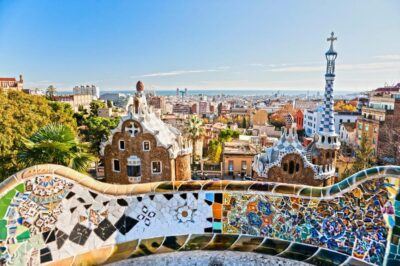
Park Güell and Gaudí House Museum Entry Ticket
Read our review →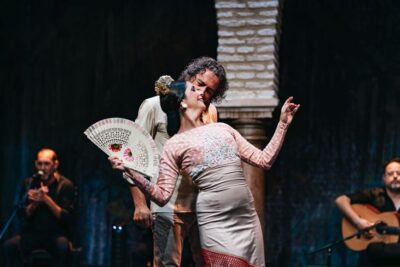
Puro Flamenco Show with Optional Museum Ticket
Read our review →
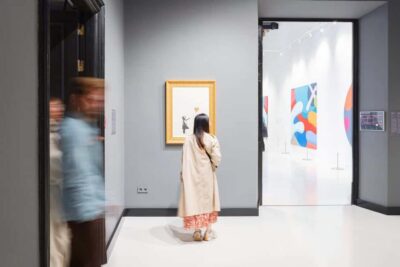
Moco Museum Barcelona: Modern & Contemporary Art
Read our review →
Girona & Dali Museum Small Group Tour with Pick-up from Barcelona
Read our review →Browse the lists this tour appears in