Reviewed · TICKETS
Madrid: Museo Nacional Thyssen-Bornemisza Entry Ticket
Art history in one big museum. The Museo Nacional Thyssen-Bornemisza makes it easy to move from Caravaggio to Picasso and still feel like you’re getting a story, not a maze. I also like that the ticket setup lets you skip the ticket line, so you can spend your time looking instead of waiting.
The main drawback is that this is a lot of floor space. You’ll want to plan your route and accept that seating can be limited, especially if you decide to take your time and stop at every label.
In This Review
- Key things to know before you go
- Museo Thyssen-Bornemisza in Madrid: Why This Ticket Is Worth Your Time
- Tickets, Entry Timing, and Your Best Way to Start at Paseo del Prado
- Planning Your Walk: How to Experience the Museum Without Burning Out
- Permanent Collection Flow: From Renaissance Foundations to Pop Art Jolt
- The Paintings People Actually Remember: Monet, Degas, Caravaggio, and Friends
- Expressionism and Pop Art: Two Ways Art Talks About Modern Life
- Temporary Exhibitions With Timed Entry: How to Make It a Bonus, Not a Trap
- Value Math: When the $16 Ticket Makes Sense (and When It Doesn’t)
- Where This Fits in a Day in Madrid: A Practical Museum Pairing
- Who Should Book This Ticket
- Book It or Skip It?
Key things to know before you go
- Caravaggio to Picasso, with a smooth sweep from Renaissance to late 20th century
- Impressionists and Expressionists you can actually compare room by room
- Temporary exhibitions use time slots, so pick your slot carefully
- Skip-the-line entry helps when Madrid is busy
- Big walking museum, so pacing matters more than you’d think
Museo Thyssen-Bornemisza in Madrid: Why This Ticket Is Worth Your Time
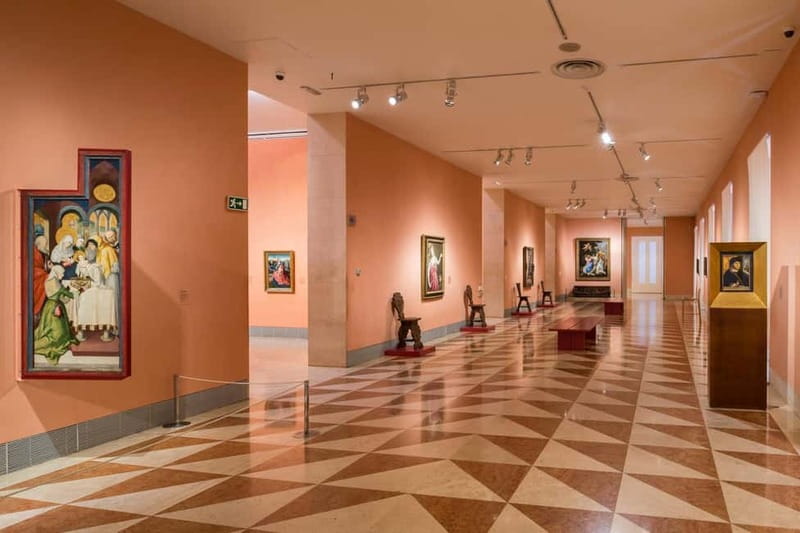
If you like art but don’t want to spend your day half-lost and half-squinting at small labels, the Museo Nacional Thyssen-Bornemisza is a smart choice. The collection spans centuries and styles, so you can see how ideas about light, color, emotion, and modern life changed over time.
The value here is not just that the museum has famous names like Caravaggio, Van Gogh, and Picasso. It’s that the permanent collection is organized in a way that lets you notice contrasts. One room can feel classical and controlled, and the next can be bold, angular, and modern. That makes it easier to understand what artists were trying to do, instead of treating each painting like a random stop.
Pricing matters too. The entry ticket is listed at about $16 per person, but you should compare that to when entry is free. The permanent collection is free on Mondays from 12 PM to 4 PM, and also free on Saturdays from 9 PM to 11 PM. If you’re traveling during those windows, you might be better off skipping the paid ticket unless you’re also going for a timed temporary exhibition.
Other days out near Madrid
- Madrid: Tour Bernabéu Entry Ticket
★ 4.5 · 21,573 reviews - Madrid: Prado Museum Entry Ticket
★ 4.6 · 20,699 reviews - Madrid: “Emociones” Live Flamenco Performance
★ 4.8 · 12,866 reviews
Tickets, Entry Timing, and Your Best Way to Start at Paseo del Prado
Your ticket gives you access to the permanent collection, and temporary exhibitions if you selected that option. The museum entry process is designed to reduce waiting, since you can enter without going through the ticket office at your reserved time for temporary exhibitions. That matters, because timed-entry plans work best when you treat them like a schedule, not a suggestion.
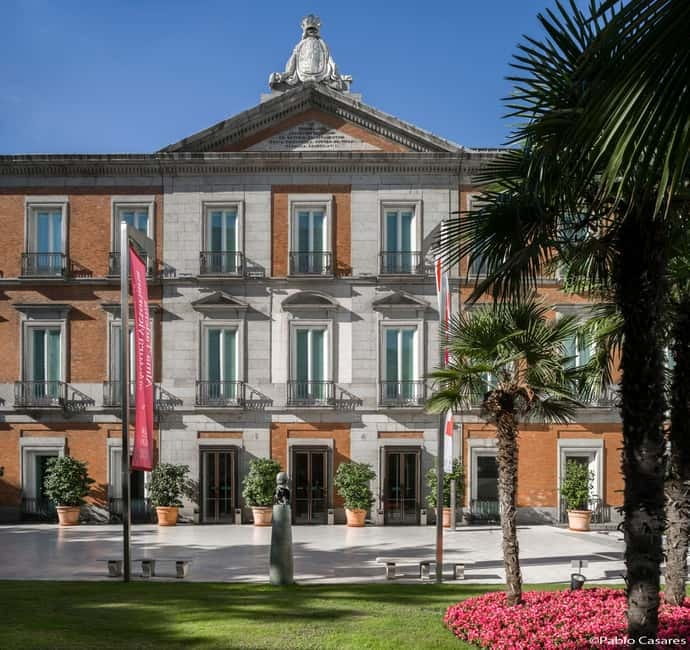
The meeting point is at Museo Nacional Thyssen-Bornemisza, Palacio de Villahermosa, Paseo del Prado 8. Even if you’re arriving on foot, it helps to think of this as a launchpad on Paseo del Prado. You’re in a part of Madrid where you can comfortably chain museum time with a late lunch or an evening walk.
A couple of practical expectations:
- You’re not getting a guided tour or an audio guide with this ticket. So you’ll rely on wall labels and your own pacing.
- The experience is wheelchair accessible, which is good to know if you want a smoother path through the galleries.
- Pets aren’t allowed, but assistance dogs are.
Planning Your Walk: How to Experience the Museum Without Burning Out
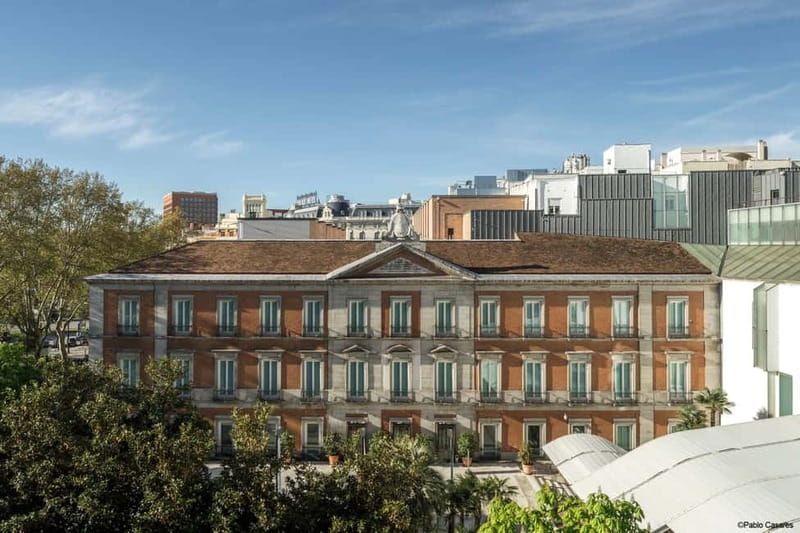
This museum is big, and it rewards smart pacing. I’d treat the Thyssen like a choose-your-own-adventure museum. If you try to see everything in one pass, you’ll end up exhausted and still feel like you missed the best parts.
Here’s the approach I’d use:
- Pick one “anchor” style to chase first. For example, Impressionism if you’re chasing color and light, or Expressionism if you want intensity and edge.
- Allow time for comparison. The museum’s strength is seeing how one movement sets up the next.
- Decide your cutoff. If you only have time for a subset, choose the galleries that match your mood that day.
One caution from real-world visitor experience is that some people find the display flow can feel more style-mixed than artist-organized. In practice, that’s not a dealbreaker. It just means you should not rely on the museum being “one floor equals one artist.” Go in with a flexible plan and use the labels to steer you.
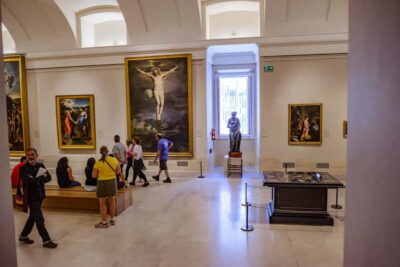
Also, plan rest breaks. Some visitors note there isn’t much seating. So if you need frequent pauses, build them into your schedule instead of assuming you’ll find a comfortable spot whenever you want one.
Permanent Collection Flow: From Renaissance Foundations to Pop Art Jolt
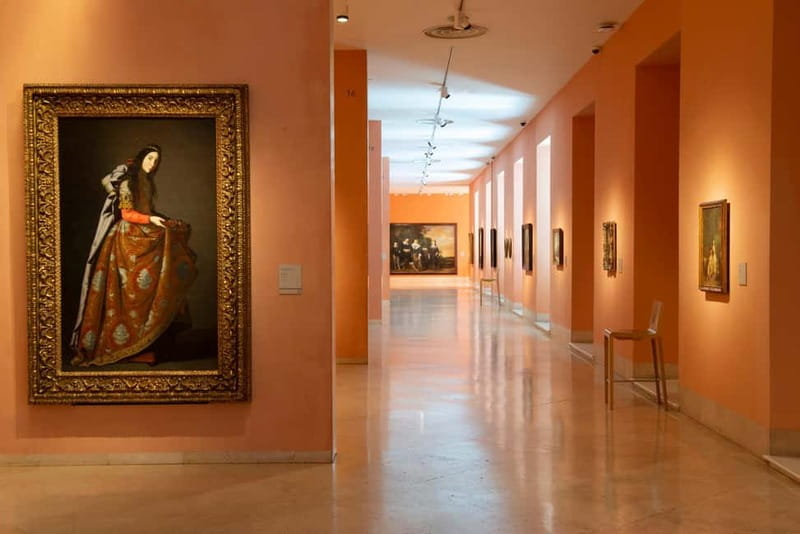
The permanent collection covers a long timeline, and the way it’s presented helps you track how Western art changes its priorities. You’ll move through Renaissance and later periods, then shift into Impressionism, Expressionism, and eventually into later modern and contemporary directions, including Pop Art.
What I like about this setup is that you can feel the museum’s “logic.” It’s not just a lineup of masterpieces. It’s more like a guided conversation between movements:
- Renaissance-era works teach you about structure, form, and control.
- Later styles start testing the rules, focusing more on perception and emotion.
- Modern periods push further, letting distortion, bold color, and everyday subject matter take center stage.
To make this work for you, don’t try to look at everything the same way. Spend a little extra time early on, then let your eyes adapt. After an hour, you’ll start recognizing patterns: how brushwork changes, how figures get simplified or exaggerated, and how symbolism shows up more often as you move toward modern art.
Also within reach of Madrid:
- Madrid: Panoramic Route City Tour
★ 4.1 · 12,259 reviews - Madrid: Live Flamenco Show with Food and Drinks Options
★ 4.5 · 9,901 reviews - Avila & Segovia Tour with Tickets to Monuments from Madrid
★ 5.0 · 9,762 reviews - Madrid: Reina Sofía Museum Entrance Ticket
★ 4.5 · 8,788 reviews
The Paintings People Actually Remember: Monet, Degas, Caravaggio, and Friends
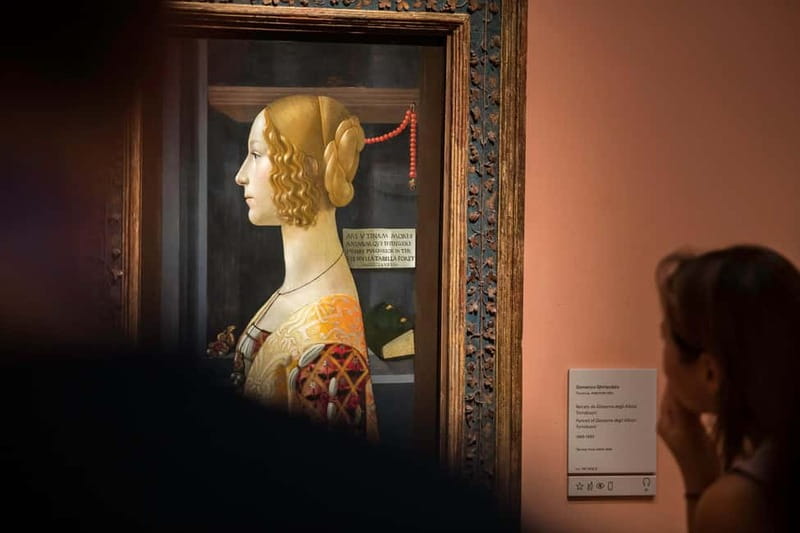
This is the part where you’ll want to slow down. The museum highlights major movements and artists, including:
- Caravaggio
- Van Gogh
- Monet
- Degas
- Picasso
- Kirchner
- Kandinsky
- and Pop Art within the broader late-20th-century conversation
Monet and Degas are a great example of why the Thyssen ticket can be a strong value. Impressionism rewards close looking. You want to notice the light effects, the quickness of brushwork, and how scenes feel alive rather than staged. Degas, in particular, can make you look twice, because his compositions often feel like you’re catching a moment mid-action.
On the Expressionism side, Kirchner and Kandinsky give you a different kind of payoff. Expressionism tends to be about emotional impact, not just visual realism. When you’re looking at works from that lane, I’d encourage you to focus on the mood first, then the technique second. The emotion is often the entry point.
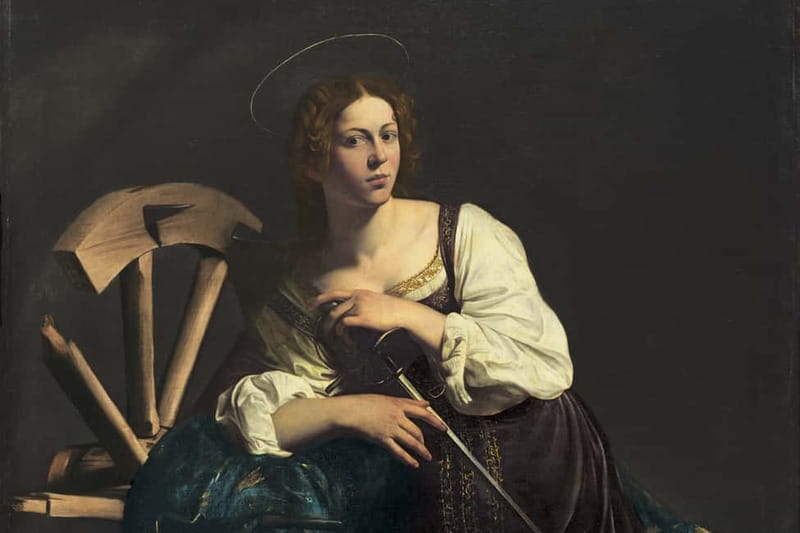
Caravaggio and Van Gogh are powerful contrast makers too. Caravaggio can feel theatrical, with dramatic use of light and shadow. Van Gogh can feel urgent, with brushwork that looks like it’s still in motion. If you like learning how different artists solve similar problems, those pair well for a self-guided route.
Expressionism and Pop Art: Two Ways Art Talks About Modern Life
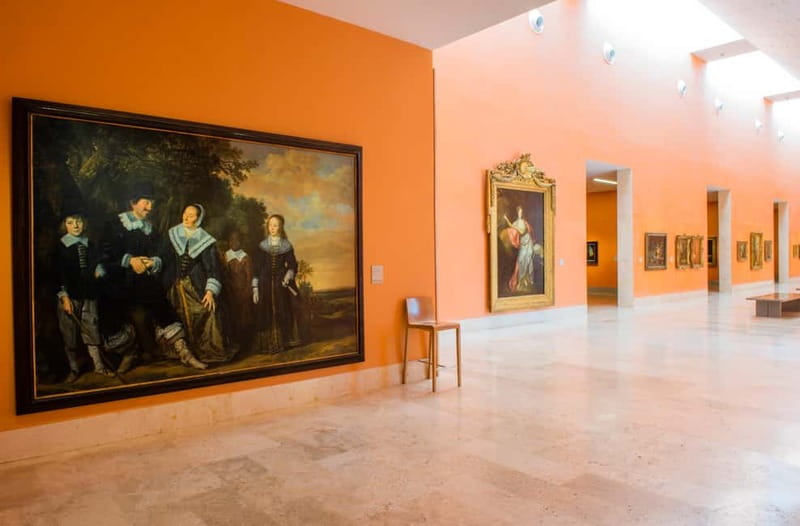
Expressionism and Pop Art might seem like they belong in different conversations, but that’s exactly why the Thyssen works for many visitors. You can see two different answers to the same question: what should art do when the world feels faster, louder, or less stable?
With Expressionism, artists often lean into angular forms, intense color, and distorted perspectives to communicate inner feelings. With Pop Art, the tone shifts. Everyday imagery and modern culture come forward as legitimate subjects, not just background material.
If you’re not sure where to spend your extra time, here’s a simple rule. If you want to feel something quickly, go Expressionism. If you want to think about culture and symbols, go Pop Art. You can do both, but deciding your first move keeps you from wandering in circles.
Temporary Exhibitions With Timed Entry: How to Make It a Bonus, Not a Trap
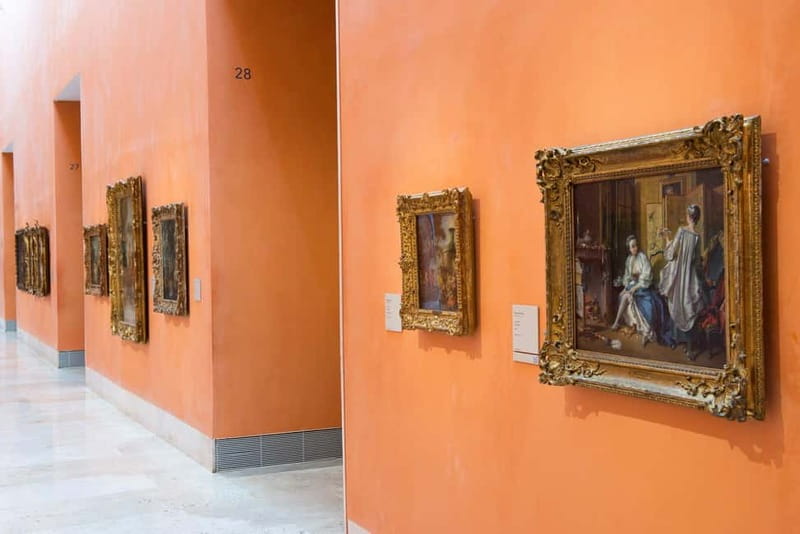
Temporary exhibitions are included if you selected that option, but they operate on time slots. That means the museum wants you to treat your arrival like a plan.
The key point is that you can enter at your reserved time without going through the ticket office. That’s great when the museum is crowded, because it reduces the chance you’ll lose momentum.
How to decide whether the temporary exhibition is worth it:
- If the theme excites you, it’s a good add-on because it gives you something different from the permanent collection.
- If you’re mainly there for the core artists and movements, you may be fine sticking to the permanent galleries and using the temporary slot as a flexible option only if your pace allows.
Because you’re working with a time window, I’d also avoid overpacking your schedule that day. Give yourself room for the permanent collection to take longer than you expect.
Value Math: When the $16 Ticket Makes Sense (and When It Doesn’t)
The price is listed at about $16 per person. That’s reasonable for a major Madrid museum, especially with skip-the-line access and optional temporary exhibition entry.
But the best value depends on timing and your situation:
- If you’re going Monday 12 PM to 4 PM or Saturday 9 PM to 11 PM, permanent collection entry is free. In that case, the paid ticket’s value depends mostly on whether you’re adding a timed temporary exhibition.
- Kids and people under 18 enter for free, so the paid ticket is only needed for adults in your group.
- Adults over 65 and students can get a reduced fare only when buying directly at the museum, and only with proper identification. That reduced option requires standing in line to purchase the tickets.
So I’d treat your choice like this:
- If you’re visiting during paid hours, want the timed structure, and don’t want to spend time on ticket logistics, the ticket makes sense.
- If you’re visiting during a free permanent-collection window and don’t care about temporary exhibitions, consider saving your money and plan your day around the free access times.
Where This Fits in a Day in Madrid: A Practical Museum Pairing
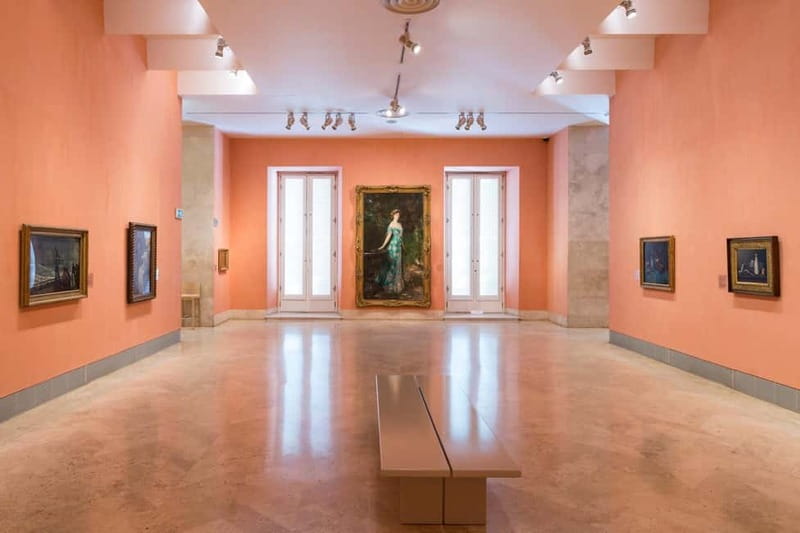
The Thyssen-Bornemisza sits in a part of Madrid that’s perfect for chaining cultural time. Since it’s on Paseo del Prado near other major attractions, you can do a museum loop without wasting hours on transport.
A good strategy is:
- Morning: permanent collection highlights, with breaks as needed.
- Temporary exhibition: use it as your mid-day or early evening anchor based on your time slot.
- End: gift shop browse and a nearby café or stroll.
You’ll also likely enjoy finishing with the museum shop. It’s a simple way to bring the art home, especially if you want an artist-focused book or a smaller souvenir rather than the usual mass-market stuff.
Who Should Book This Ticket
This experience is a strong match if you want:
- A self-guided art day with major artists across centuries.
- A museum where you can compare movements like Impressionism and Expressionism in the same visit.
- Convenience, since you’re using a ticket that helps you skip the ticket line.
It’s also worth it if you’re traveling with limited time and want to hit key galleries without turning your day into a logistics project.
It might be less ideal if you:
- Need lots of built-in seating and prefer slow, stop-and-chat museum pacing.
- Want an included guide or audio narration, since this ticket does not include either.
Book It or Skip It?
Book it if you want a high-impact art day at a famous museum, especially if you’re going outside the free permanent-collection hours. The skip-the-line entry and access to both permanent galleries and optional timed temporary exhibitions make the $16 ticket feel like practical value.
Skip the paid ticket if you’re eligible for free entry times for the permanent collection and you’re not planning to add a temporary exhibition. In that case, you can save money and still see the core collection.
If you’re unsure, choose your plan based on your timing. Madrid museums reward preparation, and a simple route plan will help you get the most out of every gallery you choose.
Recently added around Madrid
- Toledo Experience Tour from Madrid with optional Toledo Cathedral★ 4.5 · 703 reviews
- Madrid: Tapas Walking Tour with Food and Drinks Included★ 5.0 · 108 reviews
- Tasty Tapas & Drinks Tour with a Rooftop Included★ 5.0 · 82 reviews
- Tickets for the Authentic Flamenco Show at the Madrid Theater★ 4.5 · 301 reviews
- Madrid Royal Palace and Prado Museum Private Tour with Transfers★ 5.0 · 185 reviews
- Madrid Tapas Crawl ️Tour by FLT★ 5.0 · 269 reviews
- Prado Museum Madrid Guided Tour Semi-Private 6ppl Max★ 5.0 · 67 reviews
- Toledo Day Trip from Madrid: Cathedral & Monuments★ 5.0 · 368 reviews
Tickets, compared.
Sagrada Familia Entry Ticket with Audio Guide
Read our review →