
Reviewed · MALLORCA TOURS & ACTIVITIES
Palma de Mallorca: Guided Tour of the Old Town
Palma’s old streets still talk. This 2-hour walk with a German-speaking guide is a fast way to connect the big sights like La Seu and La Lonja with the everyday texture of the city, including the story-rich patios. One thing to consider: it is a lot of walking, and it is not wheelchair-friendly, so plan on steady steps and comfortable shoes.
I especially like how the guide frames the city as a Mediterranean crossroads, not a pile of landmarks. You also get a real sense of the architectural mix, from older structures tied to major builders like Pere Morey and Guillem Sagrera to modernisme buildings and the influence of Antoni Gaudí’s disciples.
A possible drawback, if you are hoping for a slow, sit-down sightseeing day: you will be on your feet most of the time, and entrance fees are not included, so you might still need to plan separate ticket time if you want to go inside specific places.
On top of that, the tour runs as join-in with a live German guide, and private options are available in English, French, and German. In the groups I’ve heard about, guides such as Maja, Maya, and Yvonne are praised for answering questions and sharing lots of concrete details, which is a big part of why this feels more like a local walking conversation than a script.
You will cover major landmarks and also the in-between streets. Expect the cathedral area, the exchange near it, Consolat de Mar, Es Baluard, Plaça Cort, the Almudaina palace area, BORN, the Jewish quarter, the episcopal palace, parts of the city wall, and the lively market hall, with built-in time for spotting patios in Spanish.
In This Review
- Key things that make this Palma tour worth your time
- A short walk that explains Palma’s Mediterranean trade past
- Starting near Av. d’Antoni Maura, then finding the old town on foot
- La Seu cathedral: learn the names behind the stones
- La Lonja exchange and the civic buildings that show Palma’s power
- Almudaina palace, BORN, and the old city rhythm around Plaça Cort
- Patios in Palma: the small courtyards that make the city feel human
- Jewish quarter, episcopal palace, and the city wall segments
- Market hall strolls and a practical taste of Mediterranean cuisine
- Modernisme buildings: how to spot style changes without homework
- Price and value: is $46 for a guided old town walk worth it?
- Who this Palma Old Town tour suits best
- Should you book this Palma Old Town Guided Tour?
- FAQ
- How long is the Palma old town guided tour?
- How much does the tour cost?
- What languages are available?
- Is entrance to attractions included in the price?
- Are food and drinks included?
- What should I bring?
- Can I bring luggage or large bags?
- Is this tour suitable for wheelchair users?
Key things that make this Palma tour worth your time
- Guided connections, not just photos, tying La Seu, La Lonja, and secular buildings to Palma’s Mediterranean trade past
- Patios in Spanish courtyards, where the architecture feels intimate even on busy streets
- Major builders named on the walk, including Pere Morey and Guillem Sagrera for the cathedral story
- Jewish quarter and city wall segments, so the old town feels layered, not linear
- Modernisme buildings in the same route, a practical way to notice style changes without a lecture
- Market hall moments, where you can sense Mediterranean food culture while you stroll
A short walk that explains Palma’s Mediterranean trade past
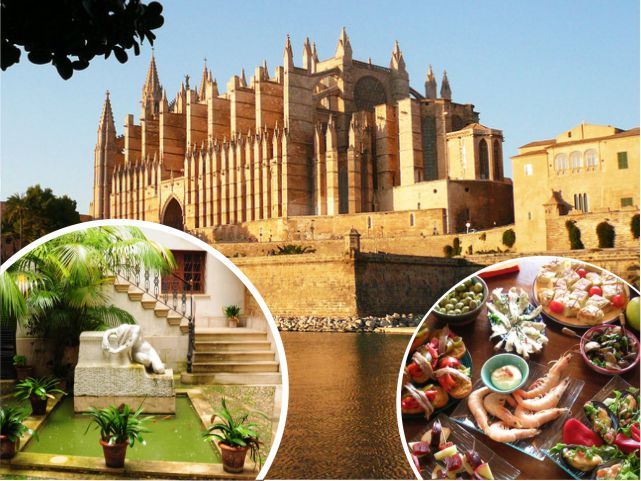
Palma makes a lot more sense when someone points out what the city used to do for the sea. This tour’s core idea is simple: you are walking through the old town as it grew around Mediterranean commerce, so the landmarks do not feel random. Instead, they connect like pieces of one story, where the big religious center, the exchange building, and the government and civic sites all relate to the flow of people, goods, and power.
I like that this tour does not try to be overly academic. You get guided storytelling tied to real places, and the route is designed to keep you moving between squares, palaces, and streets. That matters because Palma’s old town can feel like a maze if you are wandering without a plan, especially when you start noticing small courtyards and side streets.
And because you are following a guide, you also get help with pacing. Two hours is long enough to feel like you accomplished something, but short enough that you can still enjoy the rest of your day after.
Other days out near Mallorca
- Palma: Cathedral of Mallorca Skip-the-Line Entry Ticket
★ 4.6 · 14,386 reviews - Palma de Mallorca: 5-Hour Catamaran Cruise with Lunch & Swim
★ 4.5 · 9,957 reviews - Porto Cristo: Caves of Hams Entry Ticket
★ 4.2 · 6,548 reviews
Starting near Av. d’Antoni Maura, then finding the old town on foot
The meeting point can vary depending on the option you book, but the address you will often see is around Av. d’Antoni Maura, 22. Either way, you start in the city and then ease into the older fabric of Palma.
This is a walking-focused experience, so what you wear matters more than what you bring. The tour is clear that luggage or large bags are not allowed, which keeps the group moving comfortably through tighter streets and around crowded corners. If you have a daypack, keep it compact. If you are traveling with bigger baggage, you will need to leave it elsewhere.
The route format also means you should bring your curiosity. The guide will point out what to look for, from the grand buildings down to the quiet details people miss when they rush.
La Seu cathedral: learn the names behind the stones
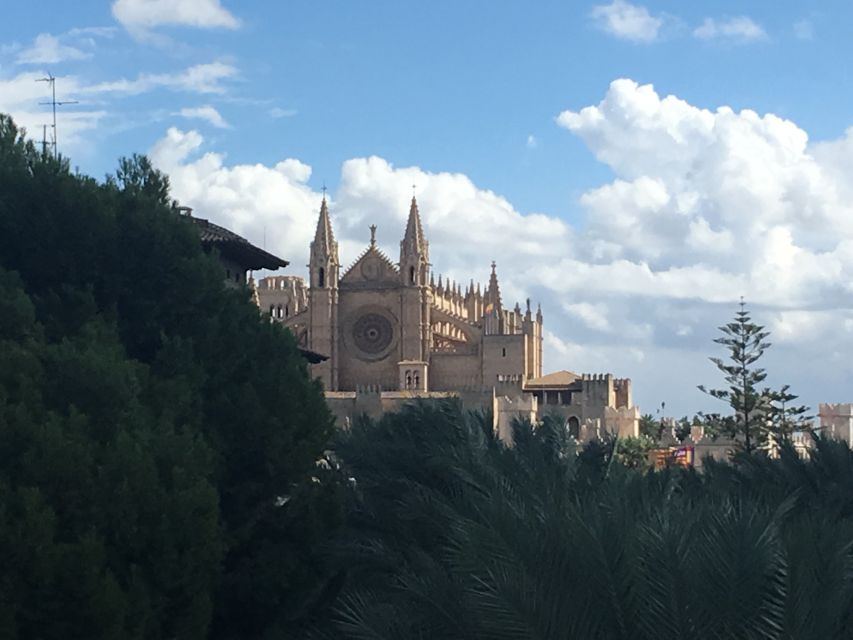
You will see La Seu, and the tour gives you more than just a first impression. The guide shares stories connected to key builders and architects such as Pere Morey and Guillem Sagrera, so the cathedral starts to feel like a human project, not a distant monument.
Even if you already know Palma has an impressive cathedral, a guided walk changes the way you look at it. You tend to notice scale and placement more clearly. You also pick up context for why this building matters to the old town’s identity and how it ties into the city’s economic role in the Mediterranean world.
If you care about architecture, this part is a highlight. It is not only about what the building is, but also about the people who shaped it, which makes your photos more meaningful later.
Practical tip: bring a phone camera and plan to pause a few times. You will want time to look up and to the sides, not just straight ahead.
La Lonja exchange and the civic buildings that show Palma’s power
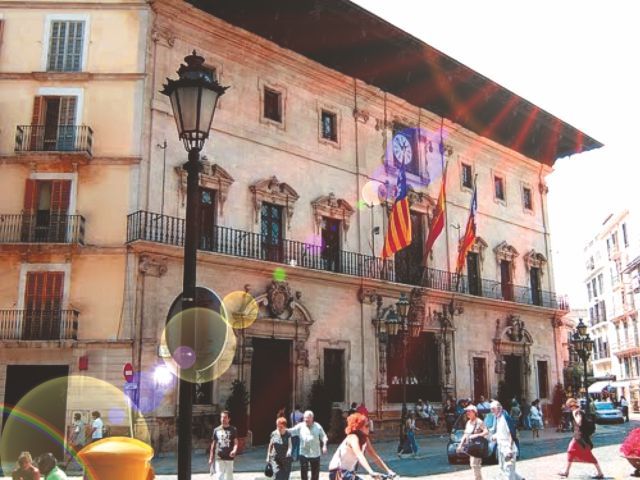
Near the cathedral area, you will reach La Lonja, the exchange that stands as a symbol of Palma’s commercial importance. This tour treats it as a turning point in the story, because it connects to the idea that Palma was once a major Mediterranean economic center.
What I like here is that you are not only looking at one landmark. The route also brings you into the world of secular architecture. You will hear about major civic sites and important buildings beyond the church sphere, including Consolat de Mar.
That matters because Palma is not just cathedral plus scenery. It is also a city with institutions that helped regulate trade, manage affairs, and shape everyday life. When the guide points out those connections, the old town starts to feel organized in your mind.
If you are the kind of traveler who enjoys understanding how cities work, this section will scratch that itch without turning the walk into a classroom.
Also within reach of Mallorca:
- Palma de Mallorca: City Sightseeing Hop-On Hop-Off Bus Tour
★ 4.1 · 4,450 reviews - Mallorca: Island Tour with Boat, Tram & Train from the South
★ 4.4 · 3,888 reviews - Palma de Mallorca: Half-Day Catamaran Tour with Buffet Meal
★ 4.5 · 3,190 reviews - Mallorca: Palma Aquarium Entry Ticket w/ Optional 3D Cinema
★ 4.5 · 3,076 reviews
Almudaina palace, BORN, and the old city rhythm around Plaça Cort
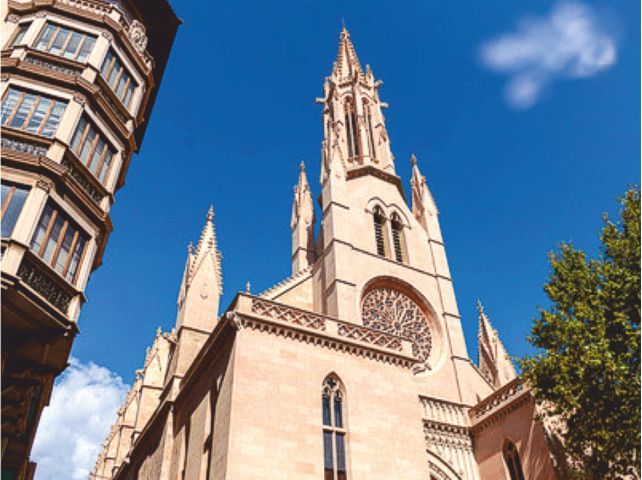
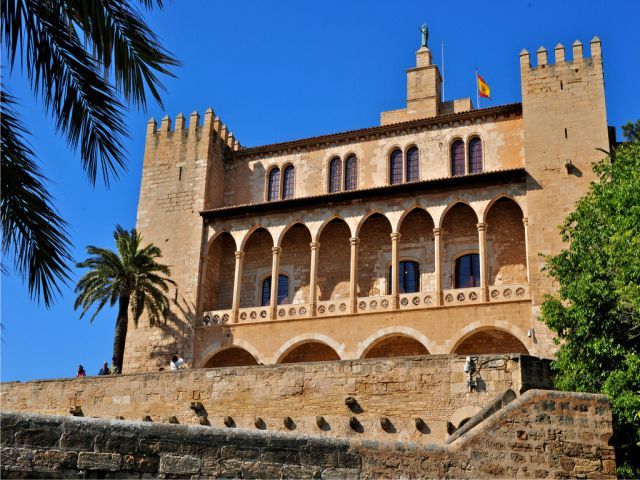
As the walk continues, you shift from the cathedral core into other old-town zones that help you understand how the city is put together. You will see the Almudaina palace and BORN, and you will spend time around squares like Plaça Cort.
This is one of those routes where the in-between spaces matter. Plaça Cort gives you a natural pause point, so you can reset your senses before heading into tighter lanes again. And BORN is a reminder that old Palma includes more than one type of space. There are ceremonial and governmental areas, and there are also zones that reflect the city’s social and economic movement.
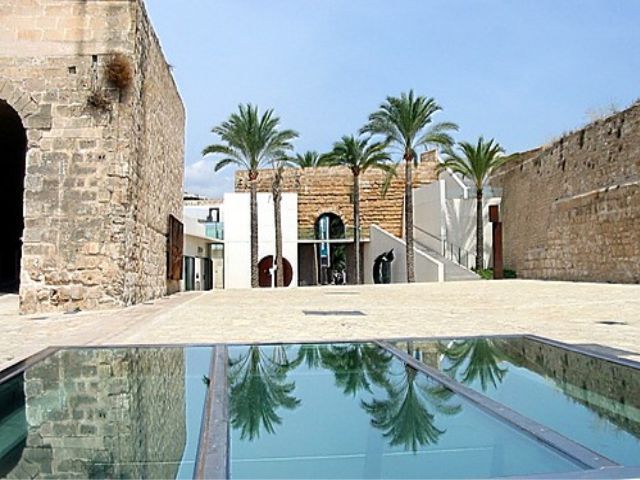
I also appreciate that the tour includes Es Baluard in the mix. Even if you are not visiting the museum interior, seeing it in context helps you understand how modern cultural spaces sit alongside older structures.
This part of the route is also where you start noticing the architecture mix more clearly. If you are a fan of style shifts, you will get those visual cues without needing to study a guidebook ahead of time.
Patios in Palma: the small courtyards that make the city feel human
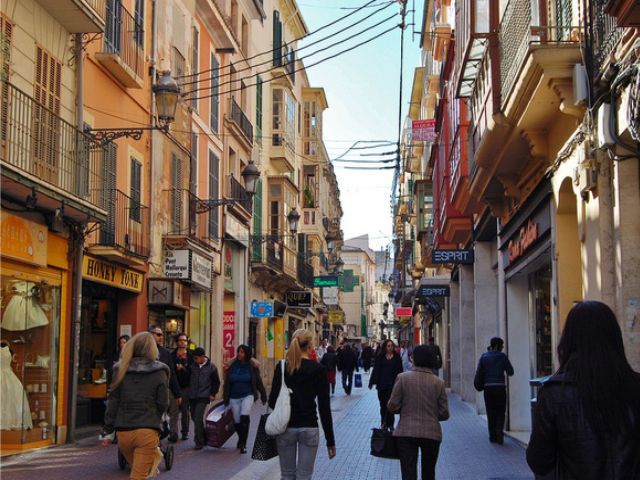
One of the tour’s standout promises is time for the hidden treasures of the capital, especially patios. Patios are ornate courtyards, and the guide specifically works them into the story of the city.
This is the kind of detail that changes your whole trip. Palma’s grandeur can be dramatic, but patios are intimate. They are where buildings turn inward, where light hits stone, and where daily life once had a different pace than the street. You get to spot and understand those courtyards as part of Palma’s identity, not as random decorations.
If you like walking tours where the guide teaches you how to observe, you will enjoy this part. You will start looking for gateways, openings, and architectural cues that signal there might be a patio behind the street wall.
A note for expectations: entrance access to private courtyards is not explicitly guaranteed in the info you have here. What is clearly included is the guided focus on these features and the stories around what to look for.
Jewish quarter, episcopal palace, and the city wall segments
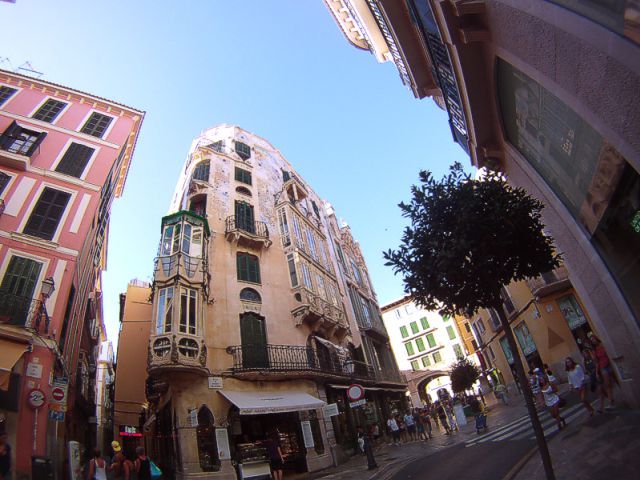
The route also includes the Jewish quarter, plus the episcopal palace and parts of the city wall. These stops matter because they broaden the story beyond a single religious or economic theme. Palma’s old town is layered, and the guide helps you understand that by moving you into areas tied to different communities and civic life.
The Jewish quarter stop also helps you read the city as a place people lived in, not just a set of sights. Even if the streets are busy at street level, the guide’s framing makes you think about how neighborhoods evolved.
The city wall portion is especially useful for travelers who like spatial understanding. When you can visualize the boundary of the old city, you start to see why buildings and streets behave the way they do.
If you want a walking tour that gives you a mental map you can carry into the rest of your day, this section is key.
Market hall strolls and a practical taste of Mediterranean cuisine
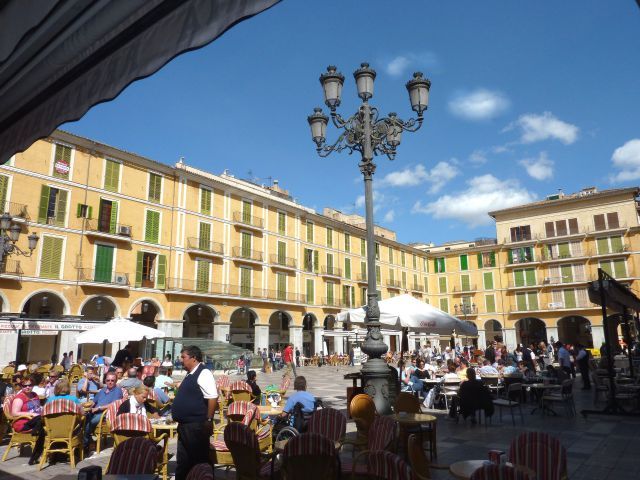
You do not just see architecture. You also get a market hall moment, with an impression of Mediterranean culinary diversity as you stroll through. This is not described as a food-tasting tour, and food and drinks are not included, but it still adds a grounded, everyday layer to the experience.
Here is the practical value: after the walk, you have a better sense of what to order and where to go for flavors that match the local rhythm. Even if you do not have time to shop during the tour, you are likely to leave with stronger instincts for your next meal.
If you are traveling with people who get bored by long architectural talks, this is a good balance point. It keeps the tour human.
Modernisme buildings: how to spot style changes without homework
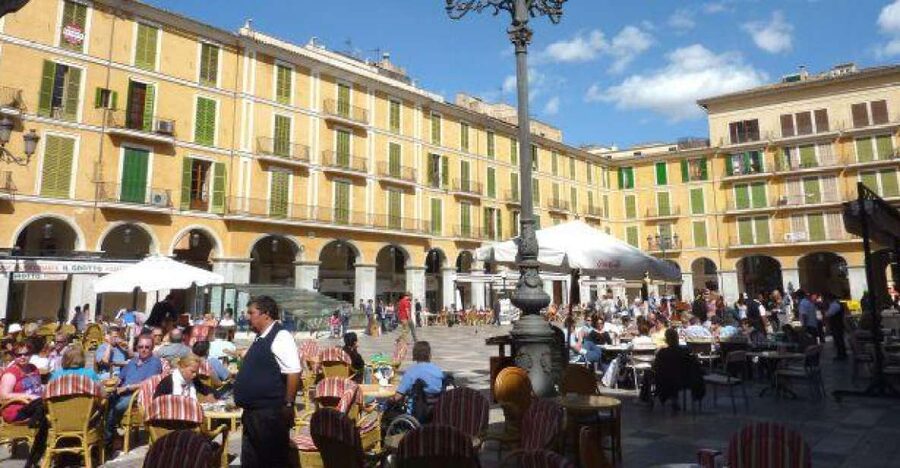
Palma has an architectural mix, and this tour specifically flags modernisme buildings as part of what you will see. It is one thing to read about modernisme. It is another thing to recognize it while you are walking through the same old-town streets.
You also hear about palaces and manors in connection with disciples of Antoni Gaudí. Even without going deep into family-tree architecture lessons, that context helps you understand why certain facades or details look the way they do.
This matters because it helps you travel like a visual editor. Once you know what to look for, you can keep spotting modernisme details on your own after the tour ends.
Think of it as a starter kit for architecture spotting across Palma.
Price and value: is $46 for a guided old town walk worth it?
At about $46 per person for roughly 105 minutes to 2 hours, this tour sits in a reasonable range for a guided walk that covers multiple major stops. The big value is not only seeing landmarks like La Seu and La Lonja. It is learning the connections between them, plus getting the small, high-impact details like patios and the city wall and Jewish quarter areas.
Also, the tour includes the guided walking experience, while entrance fees and food are not included. That means the price is mainly paying for interpretation and route design, not for ticketed museum time. For many travelers, that is a good deal because you avoid overpaying for entrances you might not care about right now.
When it feels worth it:
- You want structure in the old town but not a full-day commitment
- You care about architecture context and named builders like Pere Morey and Guillem Sagrera
- You like local storytelling and question-friendly guides
When you might want something else:
- If you want a tour where most stops are inside-ticketed attractions, you may need to plan extra visits after
- If you struggle with walking for long stretches, skip this and consider a shorter or more accessible option
Who this Palma Old Town tour suits best
This is a strong match if you like guided walking tours that teach you how to see a city, not just where to stand for pictures. It is also ideal if you are traveling with someone who enjoys history and architecture stories, because the guide’s focus includes both religious and secular sites, plus neighborhoods like the Jewish quarter.
It is also a good fit for travelers who want a German-speaking guide experience. The live guide is German, and private tours are available in English, French, and German, so you can choose what matches your group.
It is not suitable for wheelchair users, and it has a clear restriction on luggage or large bags. If you are traveling light and ready to walk, you will enjoy it more.
Should you book this Palma Old Town Guided Tour?
Book it if you want an efficient, story-driven way to understand Palma’s old town, especially if La Seu, La Lonja, patios, and the layered neighborhoods appeal to you. The strongest reason to choose it is the guided interpretation you get across both grand landmarks and the quieter details, plus the chance to learn through someone who names key builders and connects architectural style with the city’s Mediterranean role.
Skip it if walking is difficult for you, or if you are mainly interested in ticketed museum interiors and cathedral visits without added explanation. Since entrance fees are not included, you may need to build extra time for any inside visits you want.
If you want, tell me your travel dates and whether you prefer join-in or private. I can help you pair this with the right follow-up stops so you use your time efficiently in Palma.
FAQ
How long is the Palma old town guided tour?
The tour duration is listed as 105 minutes to 2 hours.
How much does the tour cost?
The price is $46 per person.
What languages are available?
The tour provides a live tour guide in German. Private or small groups are available, and private tours are listed as available in English, French, and German.
Is entrance to attractions included in the price?
No. Entrance fees are not included.
Are food and drinks included?
No. Food and drinks are not included.
What should I bring?
Bring comfortable shoes.
Can I bring luggage or large bags?
No. Luggage or large bags are not allowed.
Is this tour suitable for wheelchair users?
No, it is not suitable for wheelchair users.
Recently added around Mallorca
- Sóller: Olive Oil Guided Tour and Tasting at Can Det Estate★ 4.8 · 82 reviews
- Mallorca: Snorkeling in a Beautiful Nature Reserve★ 4.7 · 493 reviews
- Mallorca: Scenic Full-Day Tour from the North★ 4.6 · 632 reviews
- Santa Ponsa: Try Scuba Diving in a Marine Reserve★ 4.9 · 172 reviews
- Santa Ponta/Peguera: Dragonera Island Cruise with Swim Stop★ 4.3 · 544 reviews
- Santa Ponsa: Snorkeling Tour in a Marine Reserve★ 4.5 · 134 reviews
- Santa Ponsa: Marine Reserve Kayak Tour★ 4.7 · 396 reviews
- S’Arenal: Sunset Catamaran Cruise with BBQ★ 4.5 · 338 reviews
Mallorca Tours & Activities, compared.
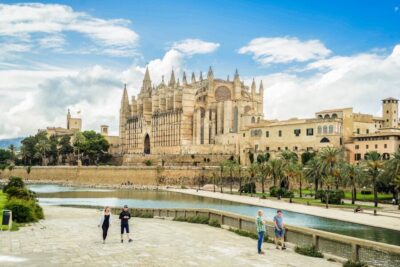
Cathedral of Mallorca Skip-the-Line Entry Ticket
Read our review →
Island Tour with Boat, Tram & Train from the South
Read our review →

Palma Aquarium Entry Ticket w/ Optional 3D Cinema
Read our review →
Catamaran Cruise with Swimming and Snorkelling
Read our review →Browse the lists this tour appears in