Reviewed · TICKETS
Royal Site of San Lorenzo de El Escorial Entrance Ticket
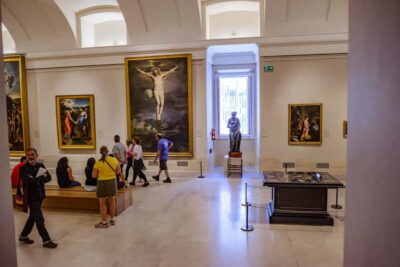
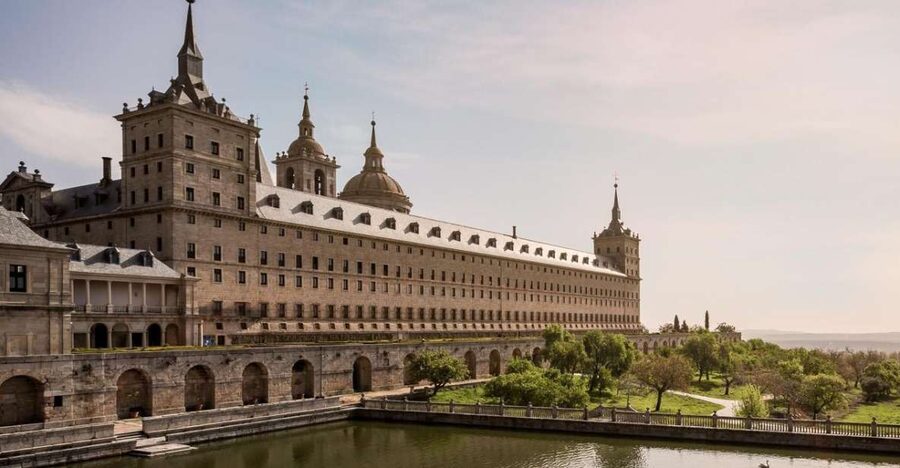
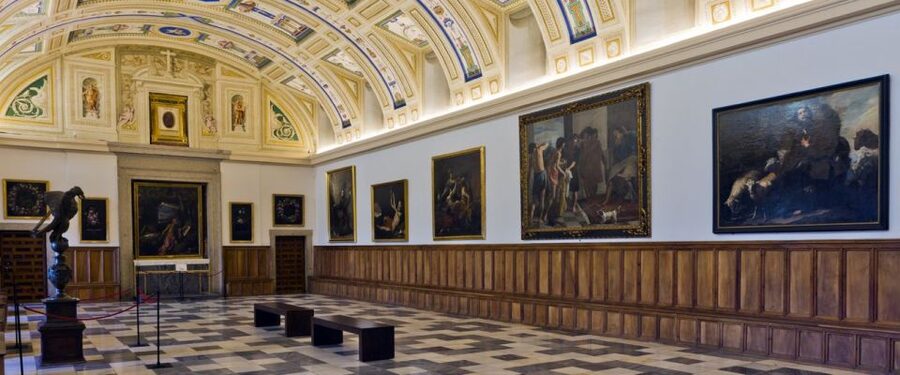
Stone walls, royal art. At the Royal Site of El Escorial, the outside can look stern like a prison, but the interior rewards you with frescoes and royal decoration that feel designed for awe. This is a day trip that turns Spanish power into architecture you can actually walk through.
I also love the gardens outside and the crypt where royals are laid to rest. The one drawback is that this is an entrance ticket, not a guided tour, so if you want the full sweep of political and artistic context, you may need to read signs carefully or plan to add a guide later.
In This Review
- Key things to know before you go
- Why El Escorial Looks Like a Fortress First
- Entering the Monastery of San Lorenzo el Real
- The Basilica Erected in 1574, and Why the Art Takes Time to Appreciate
- From Library to Palace Rooms: How the Layout Tells Its Story
- Gardens, Chapels, and Views Over the Sierra de Guadarrama
- The Italian and Flemish Artistic Blend You Can Actually Spot
- Juan de Villanueva’s Works and What They Mean Here
- Getting There From Madrid Without Losing Your Whole Day
- Price and Express Security Value Around $21
- Ticket-Only Exploring: Great for Pace, Not Always Great for Context
- Who Should Book This El Escorial Entrance Ticket
- My Booking Verdict
- FAQ
- Is admission included?
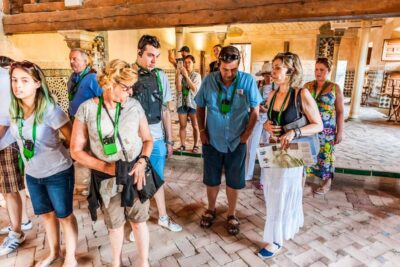
- Do I get a guide with this ticket?
- How long does the visit last?
- Does this ticket help me avoid long security lines?
- Where is this located?
- How much does it cost?
- Is it refundable?
- When will I receive my ticket confirmation?
- Is it suitable for mobility impairments?
Key things to know before you go
- Express security check to speed up entry
- Prison-like exterior, gorgeous interiors, a contrast that makes the site more memorable
- Basilica erected in 1574, plus years of work on major artwork
- Crypt for royals, adding a more personal, human layer to the royal story
- Gardens with big views, including toward the Valley of the Fallen basilica and the Sierra de Guadarrama
- Juan de Villanueva’s artistic footprint, tied to a broader Italian and Flemish blend
Why El Escorial Looks Like a Fortress First
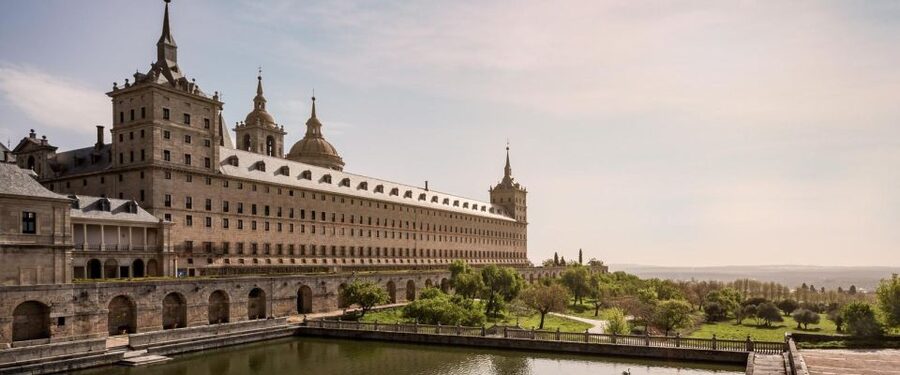
The Royal Site of San Lorenzo de El Escorial plays a little mind game. From outside, the complex can feel severe, almost fortress-like, which sets you up to expect something strict and heavy. Then you step in and the mood changes fast.
Inside, you get the feeling of a place built to communicate authority. It is not just a monastery you visit, it is a statement in stone about the Spanish Golden Age, tied to the reign of Philip II and the larger ideals of his world. Even if you only half understand the art references at first, the scale and finish do the persuading.
Other days out near Spain
- Barcelona: Sagrada Familia Entry Ticket with Audio Guide
★ 4.6 · 105,312 reviews - Barcelona: Park Güell Admission Ticket
★ 4.4 · 76,534 reviews - Seville: Royal Alcázar Entry Ticket
★ 4.6 · 28,378 reviews
Entering the Monastery of San Lorenzo el Real
This site centers on the monastery of San Lorenzo el Real, originally created for the monks of the Order of St. Jerome. That religious purpose still echoes through the way the space is organized and used, so you are not wandering through random rooms. You are moving through a working layout that reflects its original mission.
You also connect it to major dynastic history. There is a strong link to Emperor Charles V and his wife, who once lived there. In other words, this is not only about monks and prayer, it is also about rulers shaping culture, art, and ideas in the place they call home.
A big plus for visitors is that the layout is still largely unaltered. That matters because you get to see how the site was designed to function, from sacred spaces to royal rooms, instead of only seeing modern rearrangements.
The Basilica Erected in 1574, and Why the Art Takes Time to Appreciate
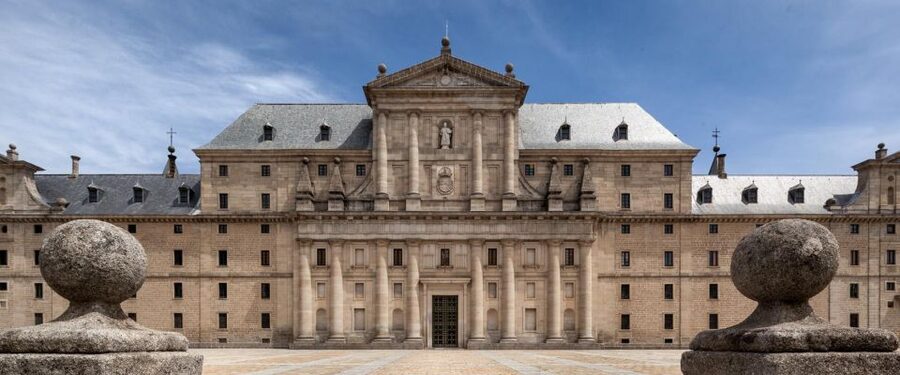
The centerpiece for many people is the Basilica, erected in 1574. The experience here is less about one quick highlight and more about how the building holds meaning across time. The basilica is where the monastery’s religious gravity and royal ambition meet.
Plan to slow down when you reach major artworks. Some pieces took years to complete, so if you rush, you lose the point. Stand back and let your eyes adjust. Then come closer again and you will start to notice the kind of detail that earns all those years of effort.
If you like buildings that feel purposeful, not decorative, this is a strong stop. The basilica makes you feel the scale of the project, and it is the best place to start making sense of why Philip II’s Spain invested so heavily in art and architecture.
From Library to Palace Rooms: How the Layout Tells Its Story
One reason this ticket works for independent exploring is the way the complex is structured. You can walk from the library toward the palace areas and then onward to key sacred spaces like the basilica. Even without a guide, the flow helps you build a mental map.
That path is more than a route. It mirrors the ideological idea that knowledge, worship, and power all belong in the same world. The library points to learning and authority. The palace rooms connect to rulers using culture as part of governance. And then the basilica anchors everything in religious purpose.
If you are the type who enjoys reading at each stop, you will probably feel satisfied with a self-guided visit. If you are looking for a guided narrative, the ticket-only format can feel flat, because the deeper connections between rooms take effort without expert interpretation.
Also within reach of Spain:
- Barcelona: Casa Batlló Entry with Self-Audioguide Tour
★ 4.7 · 25,359 reviews - Seville: Cathedral and La Giralda Entry Ticket
★ 4.5 · 24,592 reviews - Barcelona: Montjuïc Cable Car Roundtrip Ticket
★ 4.5 · 22,368 reviews - Madrid: Tour Bernabéu Entry Ticket
★ 4.5 · 21,573 reviews
Gardens, Chapels, and Views Over the Sierra de Guadarrama
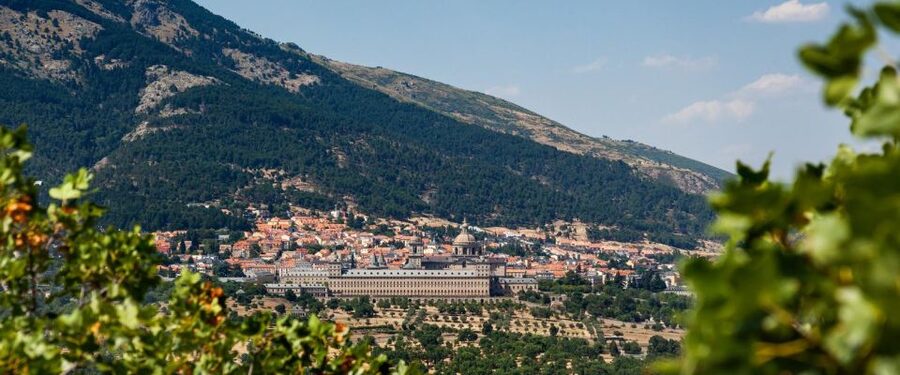
The Renaissance side of El Escorial is not limited to indoor rooms. Step into the gardens and you get the sense that this complex was built for more than ceremonies inside stone walls. The grounds are beautifully maintained, and they offer a calmer pace.
From these areas, you can also look out toward the Valley of the Fallen’s basilica and the Sierra de Guadarrama mountain range. On a clear day, the scenery payoff should be stronger, because you will have more depth to see the terrain and understand the site’s placement beyond the monastery walls.
For me, gardens are where a big historic complex becomes real. You can stand in the open air and feel the time gap. Then you turn back toward the buildings and realize how much work went into shaping this place for a long-term purpose.
The Italian and Flemish Artistic Blend You Can Actually Spot
El Escorial is often described as a Spanish project with international artistic influence, and you can see that blend in the overall feel of the art and design. The site includes forms influenced by Italian and Flemish traditions, tied to the broader ambitions of Philip II’s era.
The result is not a single style, it is a combination that reflects Spain reaching across Europe for artistic language. When you notice that mix, the complex becomes more than impressive. It becomes readable, like a visual history of connections and choices.
Look for how decoration supports the architecture. You are not just observing artworks, you are watching how art is used to reinforce meaning. That is especially clear once you move between spaces with different purposes, religious and royal.
Juan de Villanueva’s Works and What They Mean Here
The ticket experience also points you toward works by architect and artist Juan de Villanueva. When his name comes up, it is usually because of the way he helped shape Spain’s later architectural thinking and artistry.
Even if you are not a specialist, his presence is useful as a guidepost. It signals that El Escorial is not only a 1500s moment. It connects to later Spanish design sensibilities, and it helps explain why visitors keep noticing details that feel carefully planned rather than purely inherited.
In practice, your best approach is to let the building teach you first, then use names like Villanueva to anchor what you are seeing. That way, the art history becomes less like memorizing and more like observing.
Getting There From Madrid Without Losing Your Whole Day
The logistics are part of the value. The train ride from Madrid to El Escorial is under an hour, which makes it feasible for a one-day visit. Once you arrive, you still need to walk from the train station to the monastery area, usually 25 to 30 minutes uphill.
That uphill walk is worth planning for. Wear decent shoes, especially if the weather is cold or foggy. One of the best practical tips is to dress for the conditions you will feel outdoors on the walk, not just for the indoor comfort.
Timing matters because the visit is ticketed and you should match your arrival to your entry window. If you show up late, you can end up stressing instead of sightseeing.
Price and Express Security Value Around $21
At about $21 per person, this ticket sits in a sweet spot for a major Royal Site. You are not paying a premium for a full guided day, but you are paying for access plus an express security check.
Is it worth it? For most people, yes, if you care about saving time at security and want to control your pace. The ability to get through security faster can be the difference between enjoying your day and feeling stuck waiting.
That said, entrance-ticket pricing can feel disappointing if you end up in a long line anyway. I recommend treating the express part as a help, not a guarantee that everything else will be instant. If you are trying to maximize time in the basilica and gardens, build in a buffer so your day stays pleasant.
Also, this is not a guided storytelling format. If you love context, you may end up spending extra time reading and interpreting yourself, or you may want to pair the ticket with a separate guide.
Ticket-Only Exploring: Great for Pace, Not Always Great for Context
A ticket-only visit is perfect for certain styles of travel. If you like wandering, taking photos, and moving room to room, you can absolutely enjoy El Escorial on your own. The largely preserved layout helps you navigate because you are following real architectural relationships.
But if you want the full sweep, consider the absence of a included guide. The site ties together Philip II, the Spanish Golden Age ambitions, monastic purpose, and royal residence in one place. Without interpretive help, it is easier to understand the beauty than the ideology behind it.
I also think a guided option is especially helpful if you want to connect the artistic blend, the 1574 basilica significance, and the role of Charles V and his wife. Even a short guided add-on could turn a gorgeous self-guided walk into a clearer, more satisfying story.
Who Should Book This El Escorial Entrance Ticket
This is a good match if you want a high-impact day trip from Madrid, enjoy Renaissance architecture, and do not mind exploring without a guide. It also fits well if you value a place that still feels largely preserved, not rebuilt into something modern and generic.
It is less suitable if mobility is a concern, since this experience is marked as not suitable for people with mobility impairments. Also, if you are traveling with limited time and need a guided plan to hit everything quickly, you might prefer a guided tour format.
If you like historical art in a living building, and you are comfortable with self-paced interpretation, you will likely feel satisfied.
My Booking Verdict
I’d book this Royal Site of San Lorenzo de El Escorial entrance ticket if your goal is to see the basilica, palace areas, and gardens up close, with the bonus of an express security check. The contrast between the exterior severity and the interior decoration is real, and the gardens plus views add a breathing rhythm to the day.
Skip it only if you need heavy explanation to enjoy history, or if your mobility needs make walking difficult. For everyone else, it is one of the best ways to turn a day from Madrid into a direct encounter with Spain’s royal and religious design language.
FAQ
Is admission included?
Yes. The ticket includes admission to the site.
Do I get a guide with this ticket?
No. A guide is not included.
How long does the visit last?
The duration is listed as 1 day. Starting times depend on availability.
Does this ticket help me avoid long security lines?
Yes. It includes an express security check.
Where is this located?
It is in the Community of Madrid, Spain.
How much does it cost?
The price is listed as $21 per person.
Is it refundable?
No. The activity is non-refundable.
When will I receive my ticket confirmation?
After purchase, you should receive booking confirmation within 48 hours.
Is it suitable for mobility impairments?
No. It is not suitable for people with mobility impairments.
Recently added around Spain
- Toledo Experience Tour from Madrid with optional Toledo Cathedral★ 4.5 · 703 reviews
- Madrid: Tapas Walking Tour with Food and Drinks Included★ 5.0 · 108 reviews
- Madrid Royal Palace and Prado Museum Private Tour with Transfers★ 5.0 · 185 reviews
- Tasty Tapas & Drinks Tour with a Rooftop Included★ 5.0 · 82 reviews
- Tickets for the Authentic Flamenco Show at the Madrid Theater★ 4.5 · 301 reviews
- Madrid Tapas Crawl ️Tour by FLT★ 5.0 · 269 reviews
- Prado Museum Madrid Guided Tour Semi-Private 6ppl Max★ 5.0 · 67 reviews
- Toledo Day Trip from Madrid: Cathedral & Monuments★ 5.0 · 368 reviews
Tickets, compared.
Sagrada Familia Entry Ticket with Audio Guide
Read our review →