Reviewed · GUIDED
San Lorenzo de El Escorial: Monastery and Site Guided Tour
A monastery shaped like a grid of power.
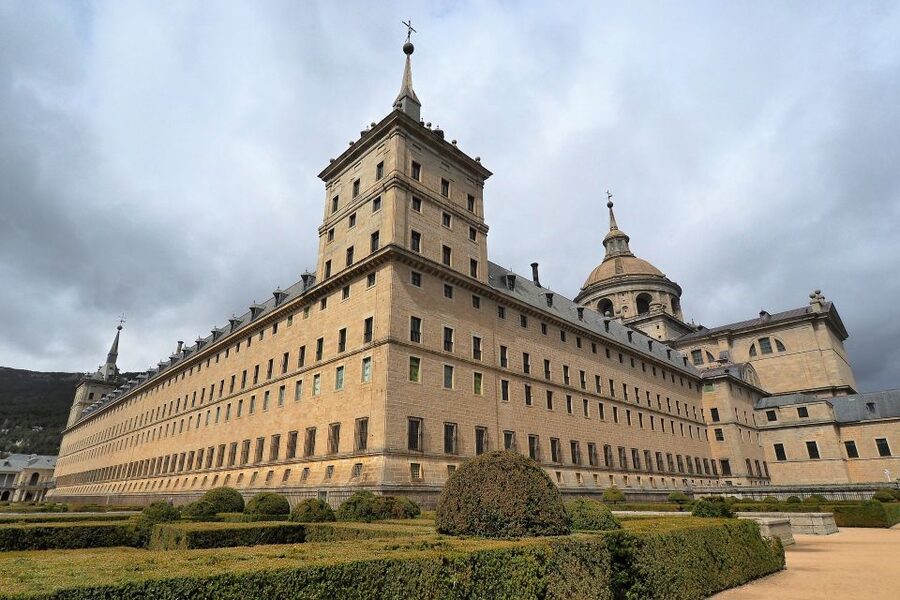
San Lorenzo de El Escorial is one of Spain’s big Renaissance statements, and a guide makes the place click fast, from Philip II to the Spanish Golden Age. You get inside key rooms of this UNESCO World Heritage site near Madrid and walk away knowing what you just saw, not just what it looks like.
I love how the tour turns architecture into story. In particular, the basilica and the Battle Hall help you connect the monarchy, the Counter-Reformation mindset, and court life to the spaces you stand in.
The main thing to plan for is pace and rules: it is a busy 2-hour circuit in a working, enclosed site, and the experience starts with voucher exchange plus ID checks, with no large bags and some dress limits.
In This Review
- Key things to know before you go
- San Lorenzo de El Escorial, the “grid” monastery that feels political
- Where the 2-hour route goes, and why each stop matters
- Starting point at the monastery entrance (with the blue umbrella)
- The basilica, where the mood is controlled
- Battle Hall, built for memory and legitimacy
- The pantheon, the human cost behind royal grandeur
- Palatial rooms, royal life inside a monastic shell
- The Royal Library: why Philip II collected books like political power
- What your guide actually does well (and why it changes the whole experience)
- Price and value: is $47 worth it?
- Practical planning tips so you enjoy the visit more
- Who this tour suits best
- Should you book this San Lorenzo de El Escorial guided tour?
- FAQ
- How long is the San Lorenzo de El Escorial monastery and site guided tour?
- How much does it cost?
- What is included in the price?
- Where do I meet the guide, and how do I find them?
- What should I bring?
- Is the tour wheelchair accessible?
- Are there any restrictions on bags or clothing?
Key things to know before you go
- UNESCO World Heritage context: you’ll learn what makes El Escorial historically “important,” not just impressive.
- Philip II, explained in rooms: the reign of Spain’s most famous monarch is tied to specific spaces.
- A Renaissance plan you can understand: the layout is taught so you do not feel lost.
- Royal Library focus: you’ll see why the collection mattered for power and humanist learning.
- Guide quality drives the value: multiple past groups singled out the guide’s clarity, humor, and professionalism.
- Time is short, so go light: the 2-hour route works best if you move promptly.
San Lorenzo de El Escorial, the “grid” monastery that feels political
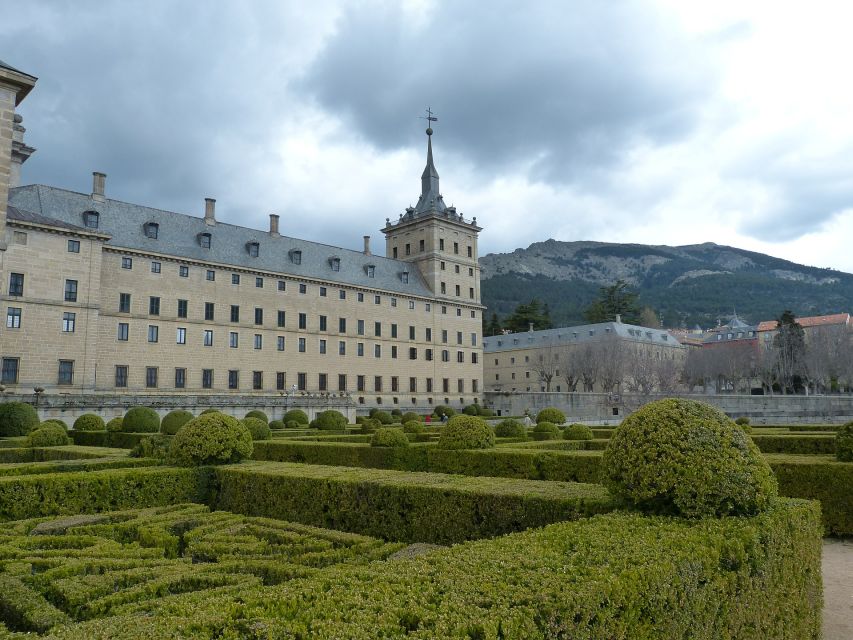
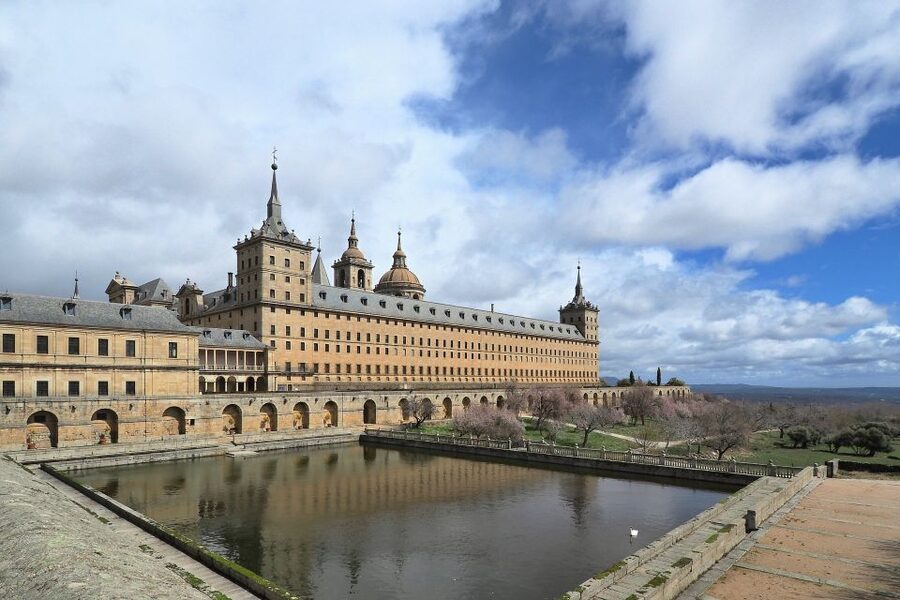
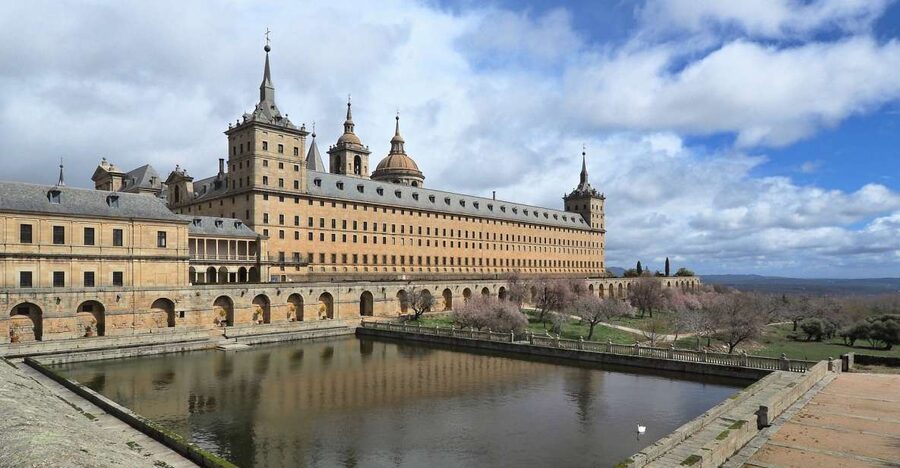
El Escorial can look strange at first, like a palace and a church had a serious planning meeting. That grid-like plan is part of the message. This is not just where rulers worshipped or where monks lived, it was also a worldview made of stone: order, discipline, and royal authority, all laid out so you could walk through power.
A guided tour is the easy way to get past the “wow” phase and reach the “I get it” phase. In two hours, you cover the big interiors and the stories behind them, especially the Spanish Golden Age connection. If you try to go without guidance, it is very easy to wander from room to room and miss why any of it was built this way.
Other days out near Spain
- Barcelona: Sagrada Familia Entry Ticket with Audio Guide
★ 4.6 · 105,312 reviews - Barcelona: Park Guell Guided Tour with Skip The Line Entry
★ 4.7 · 17,563 reviews - Caminito del Rey Guided Tour & Welcome Pack from Málaga
★ 4.9 · 16,032 reviews
Where the 2-hour route goes, and why each stop matters
This is a straightforward, guided walk through the core of the Royal Monastery. You start at the main entrance area, then the guide leads you through the basilica and major halls before finishing near the entrance after the 2-hour experience. That flow matters, because El Escorial is large, and its meaning is scattered across multiple spaces.
Starting point at the monastery entrance (with the blue umbrella)
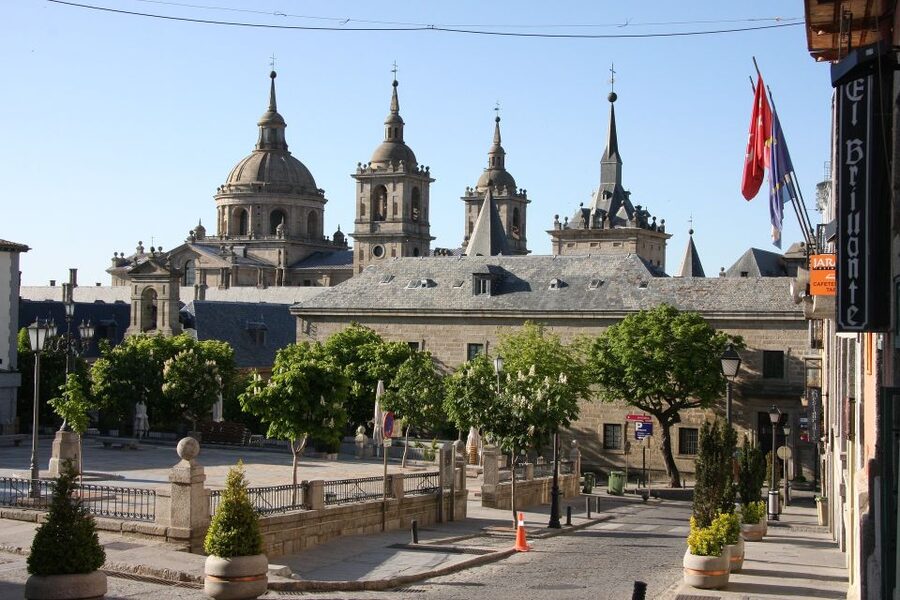
You will meet the guide at the access door to the monastery, the main entrance with the Spanish flag at the top. The guide waits with a blue umbrella from Todo Tour. Plan to arrive about 15 minutes early so you can exchange your voucher at the meeting point without stress.
This sounds small, but it makes the difference between a smooth start and a scramble through the entrance area while you are trying to find your group.
The basilica, where the mood is controlled
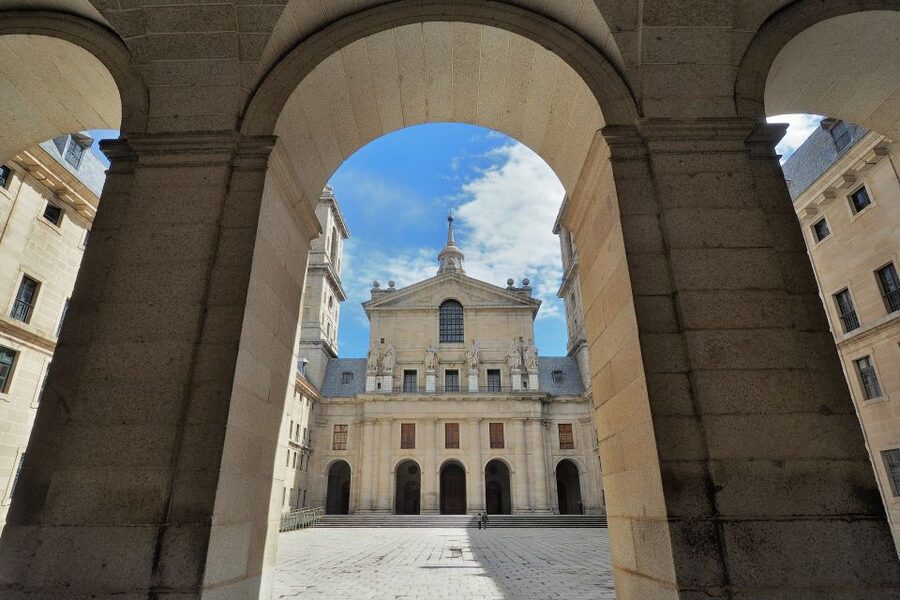
The basilica is often the first “big breath” moment inside. It is not just impressive because it is large, it is impressive because the space is designed to guide how you feel. Expect to be led through what the basilica represents in the royal-monastic blend, and why this kind of religious architecture carried political weight in the 1500s.
If you care about the Spanish Renaissance, this is where the style feels practical, not abstract. The guide helps connect the visual impact to the era’s priorities, including how rulers wanted faith and authority to reinforce each other.
Also within reach of Spain:
- Barcelona: Park Güell Admission Ticket
★ 4.4 · 76,534 reviews - Seville: Royal Alcázar Entry Ticket
★ 4.6 · 28,378 reviews - Barcelona: Casa Batlló Entry with Self-Audioguide Tour
★ 4.7 · 25,359 reviews - Seville: Cathedral and La Giralda Entry Ticket
★ 4.5 · 24,592 reviews
Battle Hall, built for memory and legitimacy
The Battle Hall is one of those rooms where the name alone can sound generic, but the interpretation makes it land. You learn how the Spanish monarchy used monumental interiors to frame national identity, and how Philip II’s reign shaped Spain’s self-image.
What I like about including this stop is that it prevents the tour from becoming only about “art for art’s sake.” You get a sense of how rulers used public spaces to tell a story and make their claim feel inevitable.
The pantheon, the human cost behind royal grandeur
The pantheon is where El Escorial stops being a style exercise and becomes a memorial. You see how the monarchy’s legacy was preserved and presented, and you understand why so many royal figures are associated with this place.
This is a powerful stop even if you are not a “cemetery person.” The guide’s framing helps you read the space as both reverence and strategy, a way of keeping dynasties present long after their reigns.
Palatial rooms, royal life inside a monastic shell
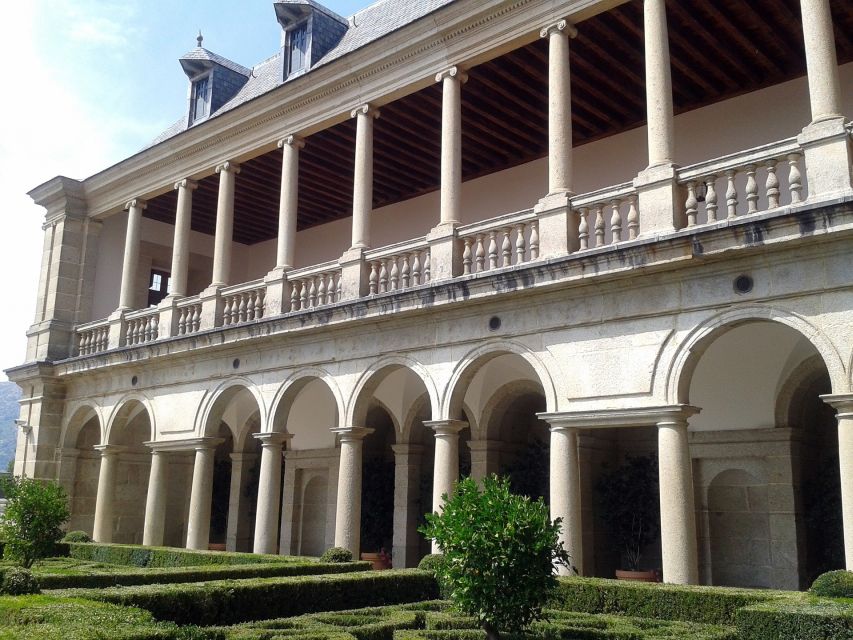
El Escorial is famous for its religious identity, but it also has palatial rooms. That mix is key. It tells you this was a headquarters of sorts, a place where court power lived alongside monastic purpose.
In these rooms, the tour focus on ideological and cultural aspirations of the Spanish Golden Age becomes more tangible. You are not just hearing facts about architecture, you are seeing how royal comfort and royal messaging were engineered into the overall complex.
The Royal Library: why Philip II collected books like political power
If you take one thing seriously in this tour, make it the Royal Library. The library is not treated as a quiet reading room. It is explained as a statement. In the Spanish Golden Age mindset, collecting and displaying learning could reinforce authority and control, especially for a monarch like Philip II who wanted humanist knowledge paired with order and discipline.
This stop is valuable because it adds a different dimension to your visit. Many people come to El Escorial expecting religion and rulers. The library shows you the intellectual goal behind the grandeur: expanding knowledge, building prestige, and shaping how the empire viewed itself.
When the guide points out how the volumes were collected to support Philip II’s humanistic goals, you start noticing the bigger theme of the whole complex. The monastery is not only a monument to worship. It is also a monument to a particular version of power, one that uses learning and architecture together.
What your guide actually does well (and why it changes the whole experience)
A lot of tours in Spain list the same rooms. The difference is the interpretation, how fast the guide makes connections, and whether you leave feeling oriented instead of “roomed out.”
Past groups have praised guides such as Alejandro, Isabella, and Marta for clear, easy-to-follow explanations and professional delivery. One of the best compliments in the feedback is how the guide explains history in a way that is interesting and easy to understand, sometimes with humor and an energetic pace.
You can also feel the value of a guided format in how it prevents confusion. El Escorial has the feel of a maze, and when you compare guided planning to self-guided wandering, a good guide saves you time and frustration. In at least one case, a small group size was mentioned as making the experience feel personal, with enough room for questions.
Practical tip: since the tour is Spanish, if you want extra English support, confirm details during booking. Some groups have mentioned very strong English from guides, but the official language for this activity is Spanish, so set your expectations based on the booking information you receive.
Price and value: is $47 worth it?
At $47 per person for a 2-hour guided tour, you are paying for two key things:
1) the entry ticket into the monastery
2) a live guide who helps you interpret the complex
If you try to do El Escorial alone, you might save money on the guide, but you will likely lose time and meaning. This is the kind of site where interpretation matters. The Royal Monastery is packed with political and cultural layers tied to Philip II and the Spanish Golden Age, and a guide is what turns those layers into a coherent experience.
So the value equation is simple. If you like understanding what you see, the tour is worth it. If you prefer a quiet, no-structure visit, you may not get as much out of a fixed 2-hour circuit.
From a traveler’s point of view, the tour is also efficient. You do not need half a day to “get started.” You get the core, you learn the why, and you finish near the entrance while you still have energy.
Practical planning tips so you enjoy the visit more
El Escorial is strict about comfort and behavior. Here’s how to make it smooth.
- Bring a passport or ID card.
- Avoid luggage or large bags.
- Dress in a way that fits the interior rules: no short skirts, no sleeveless shirts, and no swimwear.
- Keep your voice down. The site does not want noise during the visit.
Also, give yourself a little extra time before the start to swap your voucher at the meeting point. The guide meets you at the main entrance door with the Spanish flag above it, with a blue umbrella. If you arrive right at the start time, you can end up stressed before you even enter.
One more small note: because the tour is 2 hours, you will move at a steady pace. A previous group noted it felt a bit rushed, which is a fair consideration. If you like to linger, bring that energy into your final stop and ask the guide to focus on what you care about most.
Who this tour suits best
This guided tour is a strong match if you:
- want a guided Madrid-area day trip that focuses on architecture and political history
- care about the Spanish Renaissance and the reign of Philip II
- like learning how royal power shaped cultural projects, especially the Royal Library
It is also a solid choice for first-time visitors to El Escorial who want the “greatest hits” interiors. The listed highlights cover the basilica, Battle Hall, pantheon, palatial rooms, and the library, so you get a rounded view instead of a random sample.
If you are traveling with limited time, this format helps a lot. If you are deeply focused on one niche, like genealogy of the dynasty or library history, you might still enjoy the tour, but you may want additional time on your own afterward.
Should you book this San Lorenzo de El Escorial guided tour?
Yes, if your goal is to understand El Escorial, not just photograph it. The ticket price includes entry and a live guide, and the guided interpretation is the difference between walking through a famous monument and grasping why it mattered during the Spanish Golden Age.
Book it especially if you value clear explanations and a well-run route. The best parts of the experience that people emphasize are the guide’s performance, the smooth way the site is presented, and the feeling that you actually get something out of the visit.
Skip it only if you prefer a slow, do-your-own-thing visit with no structure, or if you are sensitive to a tighter 2-hour pace.
FAQ
How long is the San Lorenzo de El Escorial monastery and site guided tour?
The tour lasts 2 hours.
How much does it cost?
It costs $47 per person.
What is included in the price?
The price includes a tour guide and an entry ticket to the Monastery.
Where do I meet the guide, and how do I find them?
Meet at the access door to the monastery, the main entrance with the Spanish flag at the top. The guide will be waiting with a blue umbrella from Todo Tour. You must exchange your voucher at the meeting point.
What should I bring?
Bring your passport or ID card.
Is the tour wheelchair accessible?
Yes, the tour is wheelchair accessible.
Are there any restrictions on bags or clothing?
Large bags and luggage are not allowed. Short skirts, sleeveless shirts, and swimwear are also not allowed, and you should avoid making noise during the visit.
Recently added around Spain
- Atletico de Madrid Stadium & Interactive Museum Admission Ticket★ 4.5 · 183 reviews
- Photographic tour of Madrid with a professional photographer★ 5.0 · 104 reviews
- Madrid Old Town Donation-Based Walking Tour★ 5.0 · 109 reviews
- Royal Palace of Madrid Small Group Skip the Line Ticket★ 4.5 · 662 reviews
- Wine Tasting near Plaza Mayor in Madrid★ 5.0 · 210 reviews
- Audio Guided Tour of the Bullring of Las Ventas in Madrid★ 4.5 · 290 reviews
- Prado Museum with Reina Sofia Museum Guided Tour★ 4.0 · 311 reviews
- Historic Madrid Virtual Reality Experience with an Official Guide★ 5.0 · 214 reviews
Guided, compared.
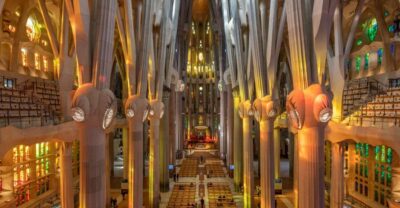
Sagrada Familia Entry Ticket with Audio Guide
Read our review →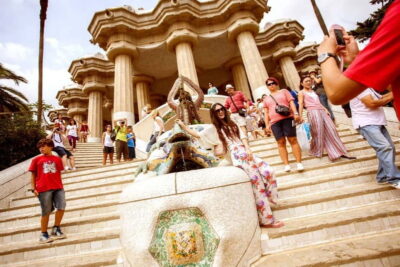
Park Guell Guided Tour with Skip The Line Entry
Read our review →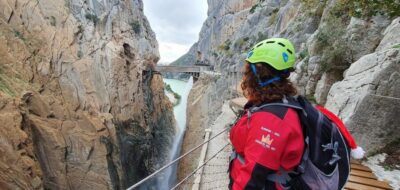
Caminito del Rey Guided Tour & Welcome Pack from Málaga
Read our review →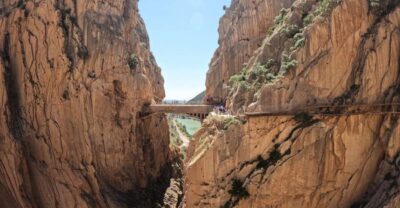
Caminito del Rey: Guided Tour and Entry Ticket
Read our review →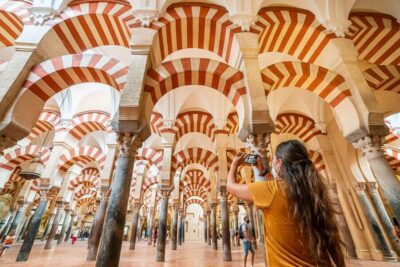
Skip-the-Ticket-Line Mosque-Cathedral Guided Tour
Read our review →
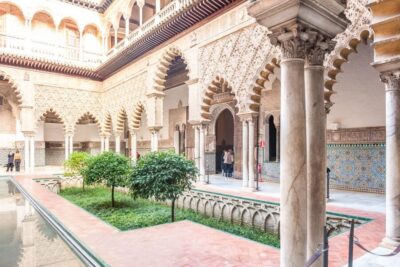
Cathedral, Giralda & Alcazar Entry With Guided Tour
Read our review →