
Reviewed · MUSEUMS
Seville: Museum of Fine Arts Guided Tour
Seville’s art hits different inside a convent. I especially love how the tour connects paintings and sculpture to place and time, and I also like that it moves through the museum efficiently in just two hours. One thing to consider is that you will cover only selected highlights, so if you want to linger on every room alone, plan extra time after.
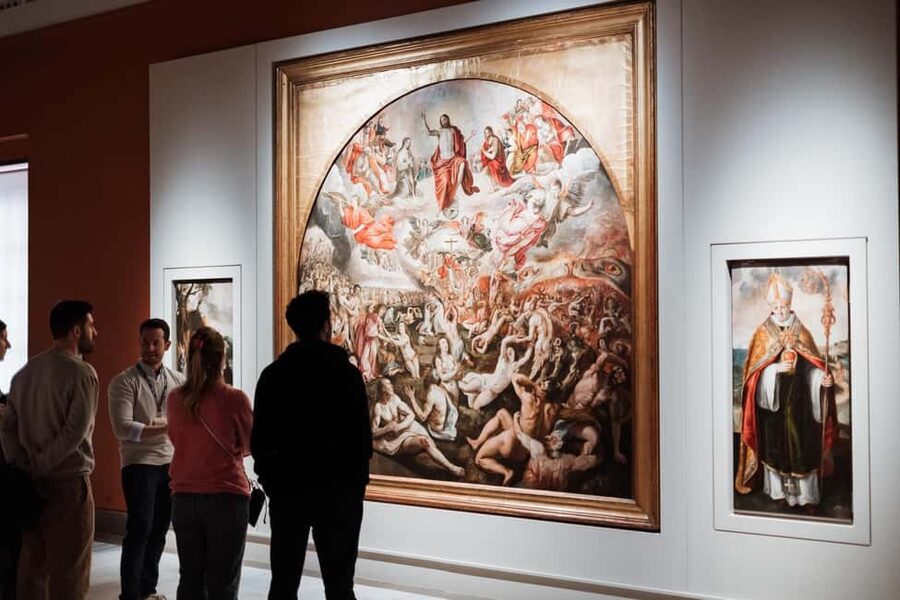
This is a guided visit to the Museum of Fine Arts of Seville, Spain’s second-largest art gallery, housed in the historic Convent of La Merced. Expect Renaissance and Baroque architecture outside the galleries, then art-focused stops inside, guided in English or Spanish with a licensed local.
You meet in the museum area, get express security help, and then settle into a small group capped at 8 people. If you like stories, symbols, and quick context that makes the art easier to read, this format will feel like a smart start to the collection.
In This Review
- Key Highlights You Should Not Miss
- Meeting Point in Seville: Plaza del Museo, Then La Merced
- Value Check: Why the $23 Price Works for a 2-Hour Tour
- 2 Hours Inside: What the Tour Actually Feels Like
- Convent to Gallery: The La Merced Architecture You Walk Through
- Cloisters That Set the Pace: Claustro de los Bojes and Claustro Mayor
- From Seville Gothic to Renaissance Mastery: Following the Artistic Evolution
- Murillo-Focused Room: Seville Through One Painter’s Lens
- The Guide Factor: Context, Storytelling, and Q&A That Pay Off
- What You Should Plan For: Timing, Comfort, and Expectations
- Who This Tour Suits Best
- Should You Book This Seville Fine Arts Museum Tour?
- FAQ
- Where does the guided tour start?
- How long is the Museum of Fine Arts guided tour?
- How many people are in the group?
- What languages are available for the guide?
- What is included in the price?
- Is express security included?
- Is the museum tour wheelchair accessible?
- What about cancellation and paying later?
Key Highlights You Should Not Miss
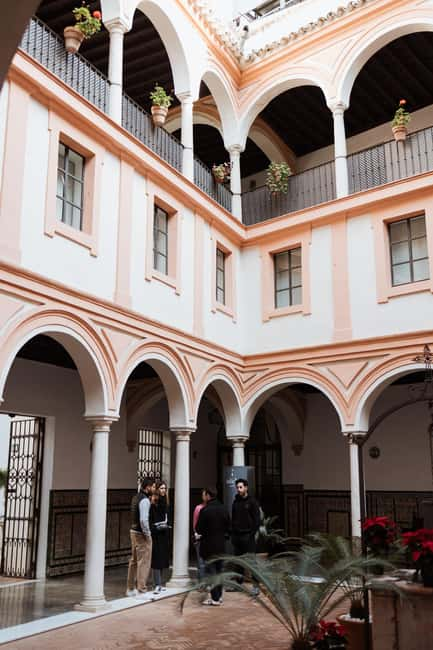
- La Merced architecture and the cloisters that make the museum feel like more than rooms of paintings
- Claustro de los Bojes and Claustro Mayor, where Renaissance and Baroque masterpieces meet a calm courtyard pace
- Sevillian Gothic to Renaissance storytelling, including Saint Jerome Penitent by Torrigiano
- The Murillo-focused room, built around one of Seville’s most famous painters
- Small group size (up to 8) for questions and better listening
- Expert local guidance that turns art details into real understanding
Meeting Point in Seville: Plaza del Museo, Then La Merced
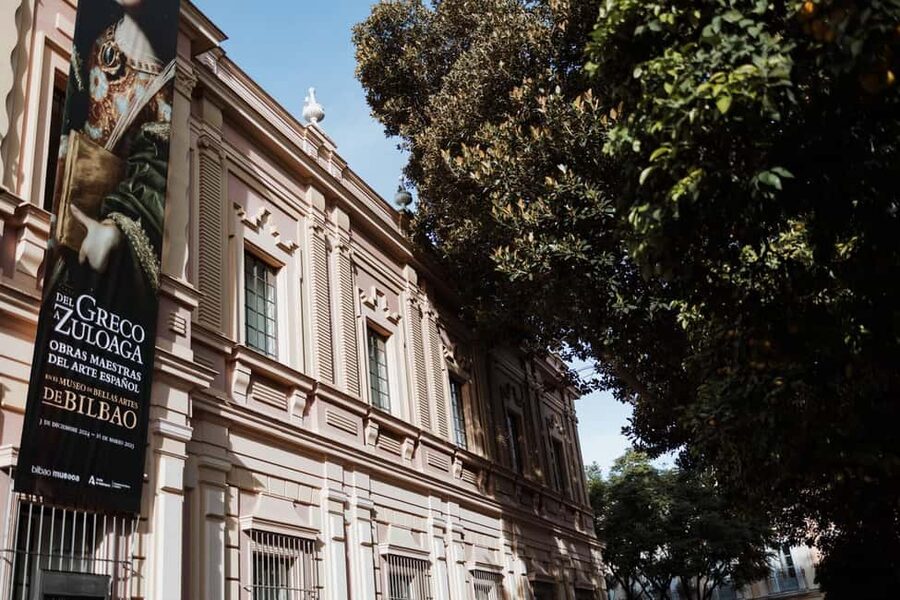
The tour starts at Plaza del Museo, near the statue of Murillo. Look for your guide with a blue umbrella or a name tag that says Sevilla Guías & Tours.
This is a good setup because it puts you right at the edge of the museum district, so you do not waste time figuring out where to go. It also means you are already oriented in Seville’s historic center when your guide starts connecting the building to what you will see inside.
You will return to the same area at the end, which keeps your afternoon plan flexible. If you are pairing this with a Seville walking tour later, this time-block is a nice fit since you are not tied up all day in one spot.
Other days out near Seville
- Seville: Puro Flamenco Show with Optional Museum Ticket
★ 4.8 · 6,088 reviews - Seville: Museum of Illusions Entry Ticket
★ 4.2 · 1,196 reviews - Seville: Museum of Flamenco Dance Admission Ticket
★ 4.4 · 197 reviews
Value Check: Why the $23 Price Works for a 2-Hour Tour
For about $23 per person, you are paying for two things: museum entry plus a professional, licensed guide. In practice, that matters more than it sounds, because the museum collection is big, and most self-guided visits become a blur of names and dates.
Two hours is the sweet spot for busy travel days. You will not see everything, but you will see enough core works and enough context to make the rest of the museum easier to understand on your own afterward.
If you already feel confident reading art, you might be tempted to skip a guide. I still think this tour is worth it if you want the museum to make sense fast, especially the shift from Gothic styles to Renaissance details and why Sevillian artists painted the way they did.
2 Hours Inside: What the Tour Actually Feels Like
This is not a rushed sprint with one-line comments. The pacing is built around walking key sections together, stopping where the guide can explain specific artwork, and keeping the group small so you can ask questions.
You also get an express security check, which helps you avoid the kind of delays that derail short museum plans. That small advantage adds up when you are trying to fit museums into a realistic Seville schedule.
With the group limited to 8 participants, you tend to get more interaction than on larger bus-style tours. It is the kind of format where you can say something like, I do not get this symbol, and actually get an answer.
Convent to Gallery: The La Merced Architecture You Walk Through
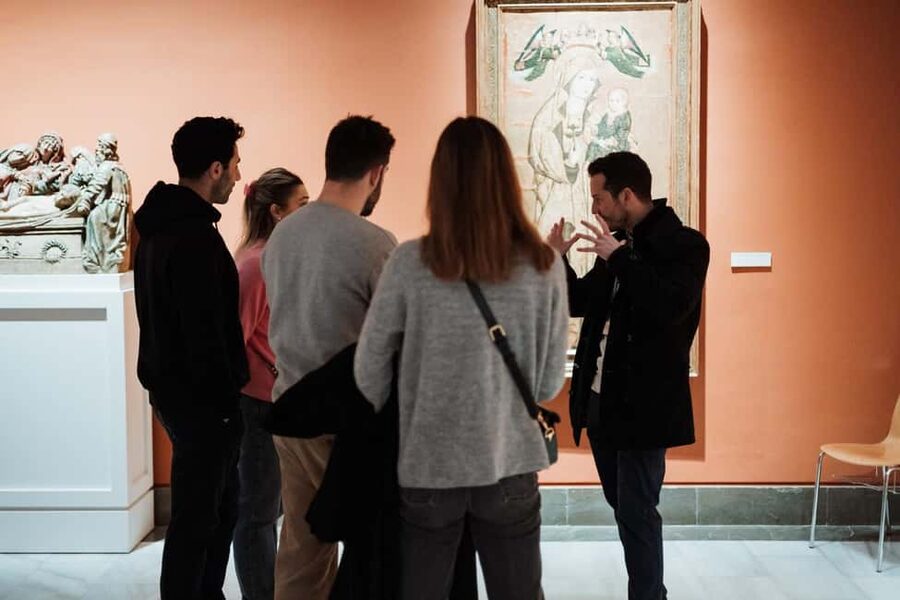
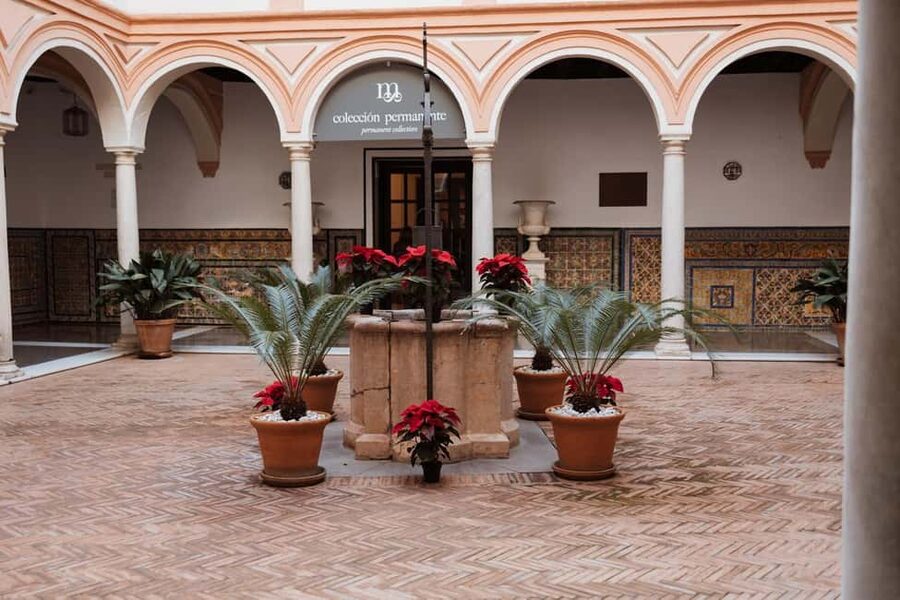
A big reason this tour feels special is that the museum is not just a container for art. It is the old Convent of La Merced, and the building style shapes your whole visit.
The highlights start outside the main gallery rooms. You will admire the convent’s Renaissance and Baroque architecture, and that gives you a visual “why” for what you are seeing later in the collections.
Then you move into the cloisters, where the pace naturally slows down. When art histories feel abstract, cloisters help. You can stand, look up, and understand the space as part of the story, not just a backdrop.
Also within reach of Seville:
- Seville: Royal Alcázar Entry Ticket
★ 4.6 · 28,378 reviews - Seville: Live Flamenco Dancing Show Ticket at the Theater
★ 4.7 · 16,396 reviews - Seville: Alcázar, Cathedral & Giralda Skip-the-Line Tour
★ 4.8 · 11,525 reviews - Seville: 1-Hour Guadalquivir River Sightseeing Eco Cruise
★ 4.2 · 10,281 reviews
Cloisters That Set the Pace: Claustro de los Bojes and Claustro Mayor
Two specific areas matter here: Claustro de los Bojes and Claustro Mayor. Both cloisters are ideal for this tour style because they give you a breather between heavy-hitting galleries.
In those spaces, the tour emphasizes what changes across time, especially the move between different artistic styles. The cloisters also make it easier to notice details you would otherwise ignore, like how architecture and decoration reflect the same cultural currents as the paintings.
Practical tip: wear comfortable shoes. Even on a 2-hour plan, this is still a walk-through museum visit, and you want your body to keep up with your eyes.
From Seville Gothic to Renaissance Mastery: Following the Artistic Evolution
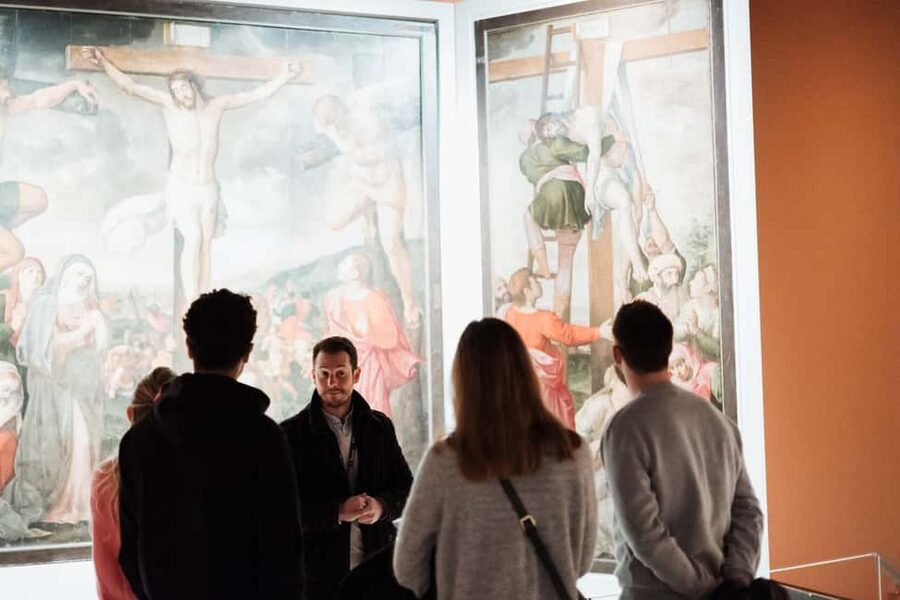
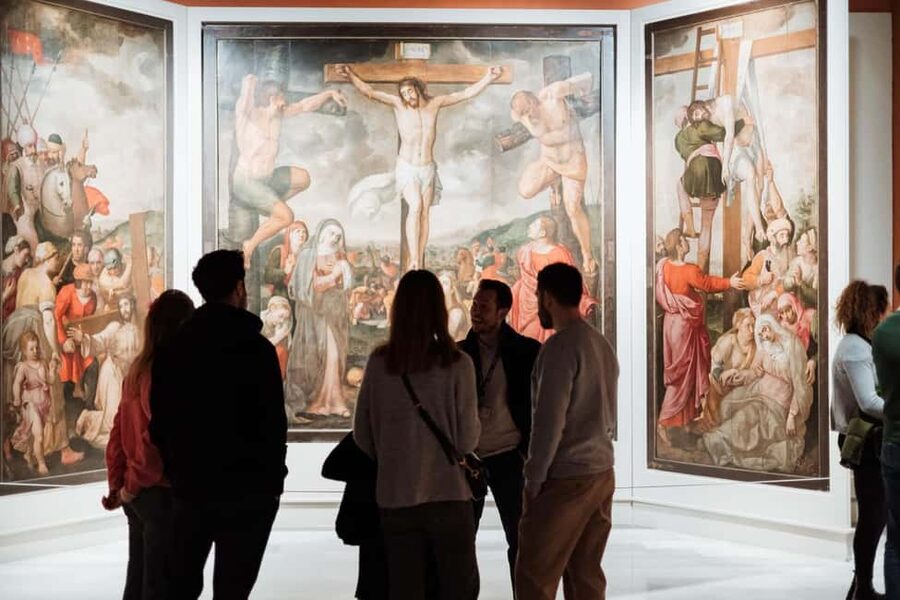
Once inside, the tour focuses on how styles shift across centuries. You go from Sevillian Gothic pieces to Renaissance works, with a guide connecting what you see to the bigger artistic evolution.
A standout moment is the stop for Saint Jerome Penitent by Torrigiano. When your guide explains the work in context, it stops being just a name on a label and starts reading like a clue. You get why the style matters, what it signals, and how it fits into broader European trends.
This is also where you feel the value of an expert guide. Museum labels are useful, but they are often built for quick reading. A licensed local guide turns those labels into a guided argument you can follow, so you leave with a mental map instead of scattered impressions.
If you love art for symbolism, this part of the tour is especially satisfying. Your guide is set up to talk about iconography and what artists were trying to communicate to the people of their time.
Murillo-Focused Room: Seville Through One Painter’s Lens
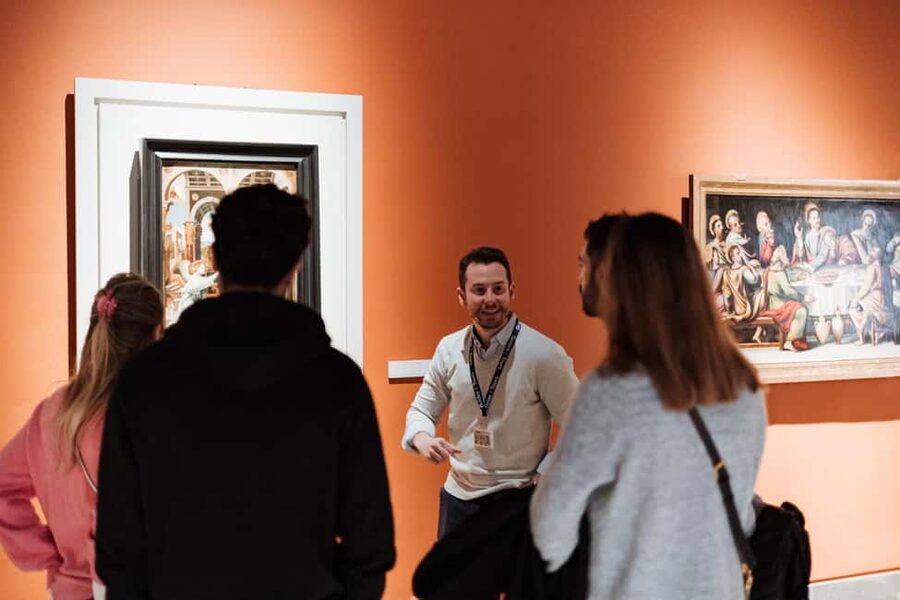
A big portion of the visit centers on Bartolomé Esteban Murillo. You will step into the spectacular room dedicated to him, then see selected works by other renowned Sevillian artists.
This approach is smart. When you concentrate on one major painter and then widen out to related Sevillian artists, you start to see how a city’s artistic identity forms. Murillo becomes the anchor, and the surrounding works show variations in subject, style, and mood.
I like how this part of the tour helps you understand “Seville” as more than a place on a map. The guide ties paintings to the society around them, which makes themes feel practical instead of academic.
If you have visited other Spanish cities, you may notice how this collection’s tone differs. That contrast is exactly why a focused guide helps. It gives you language to compare, not just things to look at.
The Guide Factor: Context, Storytelling, and Q&A That Pay Off
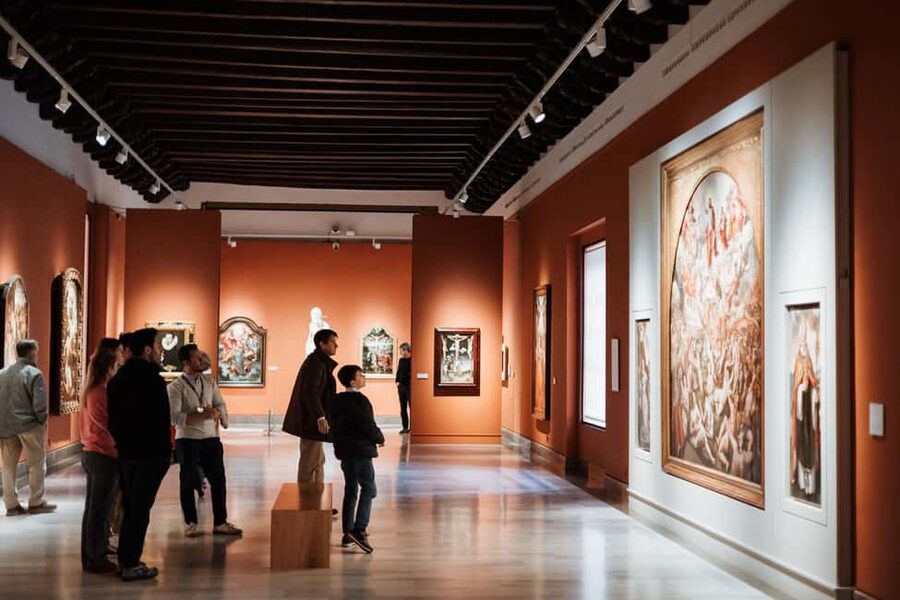
The most consistently praised aspect of this experience is the guide, often mentioned by name as Julio. The pattern is clear: friendly delivery, strong history context, and explanations that work for both art beginners and people who already know the basics.
What you are really buying is clarity. Your guide connects sculptures and paintings to the period they were made in, and that makes the art feel less distant. You learn how to read details like gestures, symbols, and composition choices, instead of relying only on your own guessing.
You also get the social side of a small group tour. In a room full of people, it is hard to ask questions and get answers. In a group limited to 8, your guide can actually respond and adjust.
One more practical detail from past guests that you might notice: some tours use an earpiece system so you can hear clearly without shouting. If you are sensitive to loud groups, that is a plus to look out for.
What You Should Plan For: Timing, Comfort, and Expectations
The tour is 2 hours, starting and ending near the same meeting location. The museum entry is included, but transportation and food are not.
So plan your day around the idea that this is a mid-length museum session. Build in time before or after for wandering. In at least some visits, after the guided portion ends, you can keep exploring at your own pace if you still have energy.
Also, keep expectations realistic: you will see a carefully chosen route of highlights, not every single work on the walls. That is the trade-off for the short guided time, and it is often the right trade if you want a strong foundation.
Small comfort notes that matter: wear walking shoes and dress for indoor cool air. Even when Andalusian weather is warm, museums can feel cooler once you step inside.
Who This Tour Suits Best
This tour is a great fit if you want a high-quality overview without spending all day lost in art rooms. It is also ideal if you like learning while you walk, and if you want the experience shaped by someone who knows what matters and why.
If you are traveling with a teen or a family member who gets bored with slow museum pacing, a guide-led route can keep attention on track. One reason the tour works well is that it is designed for small group interaction rather than a lecture-only format.
If you are an art specialist who expects every work and catalog-level detail, you might find the two-hour duration limiting. In that case, you can still use this tour as a smart orientation, then follow up with deeper self-guided time.
Should You Book This Seville Fine Arts Museum Tour?
If you want a fast, meaningful introduction to Seville’s art, I would book it. The value is strong because you get museum entry, express security help, and a licensed guide who focuses on context, symbols, and the story behind major works like Murillo and Saint Jerome Penitent by Torrigiano.
I would skip or reconsider only if you are the type who hates guided tours and wants complete control over what you see and when you stop. Even then, consider booking anyway for the first-time orientation, then using the rest of your museum time to go back to your favorite rooms.
FAQ
Where does the guided tour start?
The guide meets at Plaza del Museo, next to the statue of Murillo. Look for a blue umbrella or a name tag that says Sevilla Guías & Tours.
How long is the Museum of Fine Arts guided tour?
The tour lasts about 2 hours.
How many people are in the group?
It is a small group limited to 8 participants.
What languages are available for the guide?
The tour is offered in English or Spanish.
What is included in the price?
You get entrance to the Museum of Fine Arts of Seville and an expert licensed guide for a guided tour.
Is express security included?
Yes, there is an express security check included.
Is the museum tour wheelchair accessible?
Wheelchair accessibility is listed as available.
What about cancellation and paying later?
Free cancellation is available up to 24 hours in advance for a full refund, and you can reserve now and pay later.
If you want, tell me your travel month and whether you prefer paintings or sculpture more. I can suggest how to spend your extra time in the museum after the guided portion.
Recently added around Seville
- Seville: Alcázar Fast-Track Access with Guided Tour★ 4.2 · 432 reviews
- Seville: Small Group Jewish Quarter Tour with Tapas & Drinks★ 5.0 · 119 reviews
- Seville: Small-Group Jewish Quarter Discovery Walking Tour★ 4.9 · 499 reviews
- Seville: VIP Exclusive Early Access Tour of The Alcazar★ 4.8 · 276 reviews
- Seville: Authentic and Romantic Horse-Drawn Carriage Ride★ 4.5 · 341 reviews
- Seville: Tapas Walking Tour with Traditional Flamenco Show★ 4.9 · 100 reviews
- Seville: Sunset and Evening Paddle Boarding Tour★ 4.8 · 355 reviews
- Seville: Sunset Roof Top Walking Tour★ 4.2 · 131 reviews
Museums, compared.
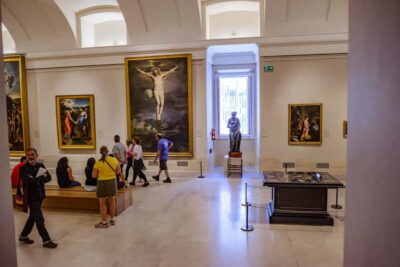

FC Barcelona Museum “Barça Immersive Tour” Ticket
Read our review →

Park Güell and Gaudí House Museum Entry Ticket
Read our review →
Puro Flamenco Show with Optional Museum Ticket
Read our review →
Moco Museum Barcelona: Modern & Contemporary Art
Read our review →
Girona & Dali Museum Small Group Tour with Pick-up from Barcelona
Read our review →Browse the lists this tour appears in