
Reviewed · MOUNT TEIDE TOURS
Tenerife: Teide Stargazing with an Astrophysicist
Teide at night is pure quiet, then sudden wonder. In Teide National Park, you get a small-group session (max 10) led by a trained astrophysicist and certified official guide, with the kind of 8-inch telescope views that make the sky feel close enough to touch. I really like how the guide teaches you the sky and the equipment at the same time, and I also like the personal, question-friendly pace that keeps it fun even if you are brand new. The main drawback to plan around is weather and cold, because high-mountain conditions can cancel the tour or make it tough if you do not dress in serious layers.
Most nights follow a simple rhythm: meet at the Parador de Cañadas del Teide, learn what you are looking at, then spend quality time using a professional scope. The whole experience is built for “look up, understand faster,” not for rushing you through a checklist. Still, you should know this is not a relaxed walk in the park, it is an outdoor night activity where your comfort depends on preparation.
In This Review
- Teide stargazing with an astrophysicist: key highlights
- Teide National Park after dark, and why it feels different
- Meet the astrophysicist guide, and how the teaching stays practical
- The 8-inch telescope setup, and what that size really means
- What you can expect to see: Moon, planets, clusters, and the “why”
- The Moon and planets
- Stars, constellations, and deeper objects
- The 1.5-hour flow at the Parador: what happens when
- Price and value: is $47 worth a night with an astrophysicist?
- Getting comfortable in high mountain cold, and what to pack
- Who this tour suits best, and who might want a different plan
- Should you book Teide stargazing with an astrophysicist?
- FAQ
- Where is the meeting point for the Teide stargazing experience?
- How long is the tour?
- How big is the group?
- What telescope is used?
- What languages are offered?
- Is transport included?
- Are food and drinks included?
- What should I bring for the cold?
- Is the experience suitable for children?
- What happens if the activity is canceled due to weather?
Teide stargazing with an astrophysicist: key highlights
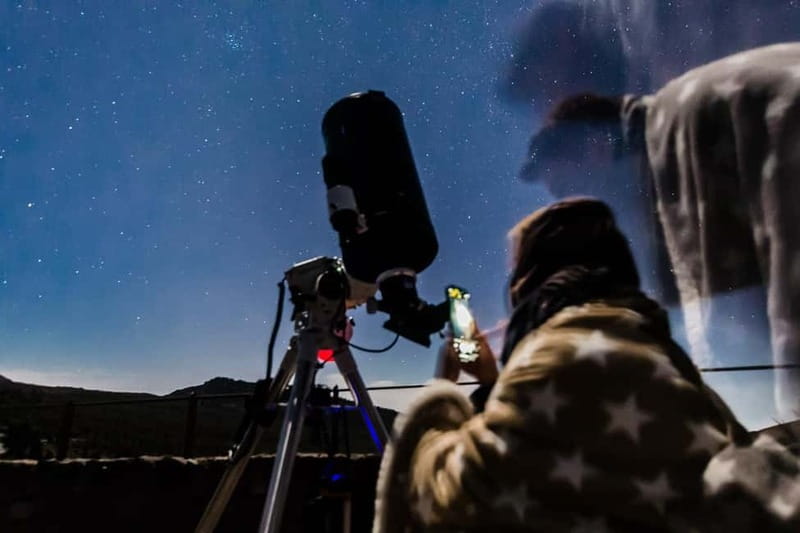
- Small group size (max 10) so you actually see and ask instead of getting lost in the crowd
- Certified astrophysicist guide who can explain both astronomy basics and research topics
- 8-inch (20 cm) telescope plus guidance on how the gear works
- Laser-guided stargazing to help you track targets accurately
- Targets include the Moon and planets plus deeper objects when conditions cooperate
Teide National Park after dark, and why it feels different
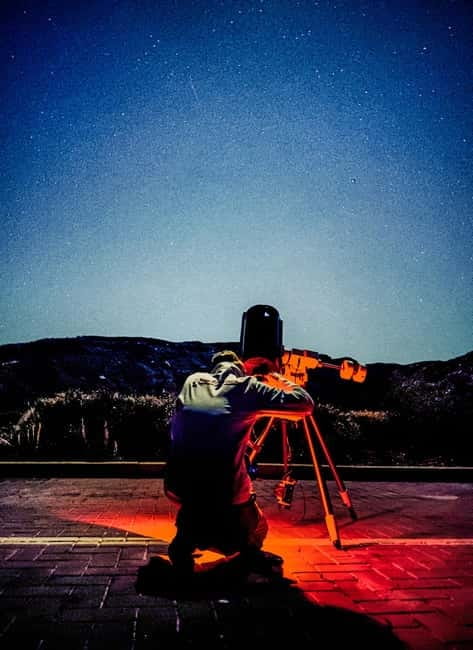
Teide is famous for stargazing for a reason, the sky tends to be dark and the air can be clear. When you start your session at the Parador area in Las Cañadas del Teide, you are already in the zone where darkness is the main character. That matters more than people think. Stars are not just “pretty,” they are faint. If light pollution or haze is high, even a great telescope only shows a bland version of what the sky can be.
I like that this experience does not act like stargazing is magic alone. It treats it as a skill, where knowing what you are seeing changes everything. The guide helps you understand how constellations connect, why they look the way they do, and how the telescope helps you see targets that your eyes cannot pull out on their own.
You also get a good reality check. You will notice how much the Moon, cloud cover, and even wind affect viewing. That is not a sales pitch, it is the practical truth of observing from a high mountain.
More Teide trips:
- Tenerife: Mount Teide Tour with Cable Car Ticket & Transfer
★ 4.3 · 5,094 reviews - Teide National Park Sunset & Stargazing with Dinner (Star Safari)
★ 5.0 · 2,601 reviews - Tenerife: Teide National Park Full-Day Tour with Pickup
★ 4.5 · 1,613 reviews
Meet the astrophysicist guide, and how the teaching stays practical
This is not a “watch and hope” kind of stargazing tour. You are led by a trained astrophysicist and a certified official guide, and that shows in how the explanations land. A recurring theme from the guides’ style is that the session works across experience levels. If you know nothing, you get clear, friendly guidance. If you are curious and ask follow-ups, you get answers with real physics behind them.
In the sessions I am most excited for, the guide (often Adal) takes time to set expectations and then keeps the pace flexible. People praise that he makes room for questions, even the beginner ones. That is huge on tours like this, because the moment you feel silly is the moment your attention drops. Here, the tone is light, but the content stays serious.
You also get two useful “layers” of learning. First, you learn what you are looking at. You hear constellation stories and the myths attached to them. Second, you learn the observing method, including how to get the telescope aligned and why the target appears the way it does. It is education with a flashlight, not education with a textbook.
The 8-inch telescope setup, and what that size really means
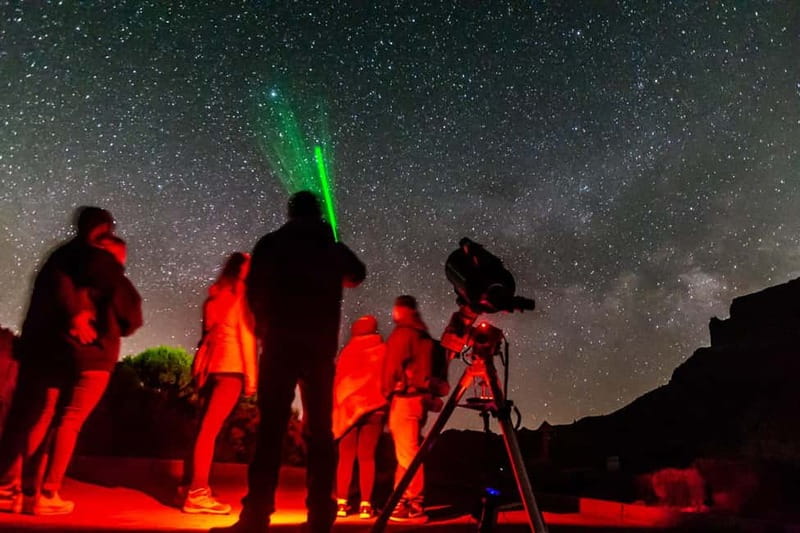
You are going to use an 8-inch telescope (listed as a professional 8-inch / 20 cm setup). That size is a sweet spot. It is large enough to show more than “a few bright dots,” but it is still manageable for a guided, group setting.
What I like most is that you do not just point at the sky and stare. You learn how the telescope is used. The experience includes a laser-guided setup, plus lanterns, so it is easier to see what is happening while you are adjusting equipment in the dark. You should expect the guide to explain the process step by step, including how they decide what to observe next.
From the types of targets that come up often, you are likely to see a mix of:
- Bright, easy-to-find highlights like the Moon
- Familiar planets when they are visible from the site
- Star clusters, nebula-style sights, and other deep-sky objects when conditions allow
The big takeaway for your planning is this: viewing quality depends on atmospheric conditions. A clear night can produce sharp, high-impact views. A less stable night can still be worth it, but you should mentally prepare for the guide to adjust what is possible.
What you can expect to see: Moon, planets, clusters, and the “why”
A stargazing tour should answer one question for you: what am I actually looking at? This one aims to do that, and the sky stops being background scenery.
More stargazing nights in Tenerife:
- Teide by Night: Sunset & Stargazing with Telescopes Experience
★ 4.5 · 1,492 reviews - Sunset & Stargazing Experience From Teide
★ 4.5 · 1,129 reviews - Teide National Park: Guided Large Telescope Stargazing Tour
★ 4.9 · 319 reviews - Teide National Park: Stargazing Experience
★ 4.7 · 220 reviews
The Moon and planets
The Moon is usually the headline because it is bright enough to show details. You are likely to see cratered surfaces and an overall sharper view through the telescope than with the naked eye. When planets are up, the guide can point them out and explain what changes when you switch from your eye to the scope.
Reviews repeatedly mention Jupiter and Saturn, including Saturn’s rings and some of its moons when viewing conditions cooperate. Neptune also comes up in a few accounts. Just remember, the tour is weather-dependent, so you should think of planets as “possible highlights,” not a guaranteed checklist.
Stars, constellations, and deeper objects
You will also learn the stories and structure of constellations, including their mythology. That is more than folklore trivia. It helps you build a mental map. Once you can place the main patterns, the rest of the sky becomes easier to navigate.
On the deeper side, the guide has shown objects such as star clusters, binary or multiple star systems, and nebula-like targets (including reflection nebula-style views in at least one account). You may also see galaxies when the night is steady and dark enough.
A nice detail is the way the guide connects seeing to understanding. You get explanations about the forefront of astrophysical research, plus some history and context for how astronomy became what it is today. The result is that you leave knowing not only what looked cool, but why it looks that way.
The 1.5-hour flow at the Parador: what happens when
The structure is simple, which is a good thing when you are watching the sky. You meet at the entrance or outdoor patio of the Parador Cañadas del Teide. The session lasts about 1.5 hours, then you return to the same starting area.
Here is how the time typically feels:
1) Get set up and get oriented
You start by arriving at the Parador meeting point and then heading into the observing area. The guide uses laser guidance to help you track targets without wasting time. Lanterns help keep movement safe while you locate the telescope and settle in.
2) Constellations first, then telescope teaching
Early on, you focus on the big patterns. You learn how the guide picks targets and how to recognize constellations. Then you get the telescope portion: how it is set, what the guide looks for, and how adjustments affect what you see.
3) Observe, compare, and ask
Then comes the fun part, multiple “look through” moments. The guide tends to explain what you are seeing during each stop, and the Q and A tone stays open. In reviews, people mention that the guide checks that everyone understands, and adapts explanations to the night and the group.
4) Wrap with a final view
Because you are outside for a fixed time, the session usually ends with a last look, often at a memorable target like the Moon or a bright planet if conditions hold.
The main practical drawback here is that 1.5 hours is not long enough for endless wandering. You should come prepared to stand, look up, and focus. If you are expecting a casual stroll with frequent breaks, this may feel intense.
Price and value: is $47 worth a night with an astrophysicist?
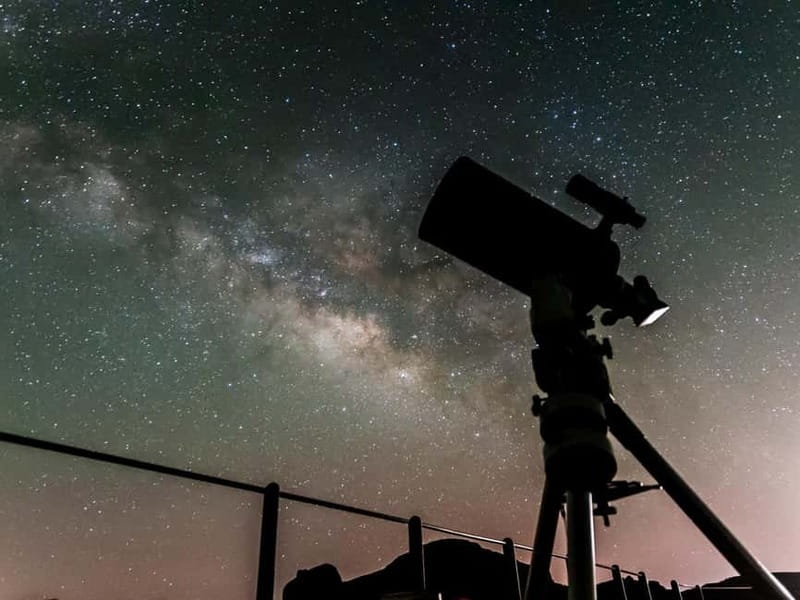
At $47 per person for about 1.5 hours, this is not a budget bus tour. It is closer to paying for specialized expertise and proper equipment in a small group.
Here is what you are paying for, and why it adds value:
- A trained astrophysicist and certified guide, not a generic instructor
- A professional 8-inch / 20 cm telescope
- A small group capped at 10, which helps you actually use the gear and ask questions
- Guided pointing support (laser-guided experience) so you spend more time observing and less time lost
If you love learning, you will likely feel you got your money’s worth quickly, because you are not just watching, you are building understanding of what you see. Even if you are a casual stargazer, the guide’s ability to translate complex ideas into simple explanations helps you connect with the sky instead of watching confusing shadows.
Costs are also transparent about what is not included. Transport, food, and drinks are on you. That is normal for many Teide-area experiences, but it means you should budget for a taxi or your own car, plus a plan for staying warm before and after.
Getting comfortable in high mountain cold, and what to pack
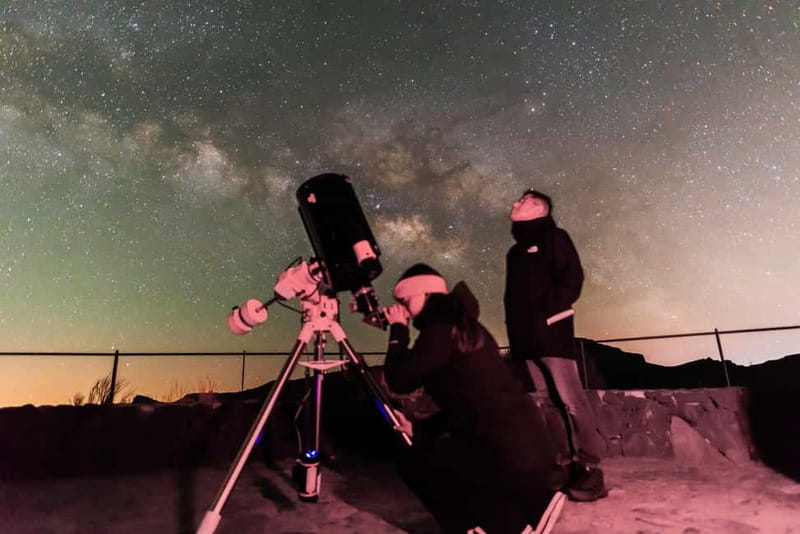
This tour lives or dies by weather and temperature. The tour notes that high-mountain conditions can make it inappropriate for younger kids, and it also warns about cold from roughly 0 to 4°C in October to March, and around 10 to 15°C in April to September.
So pack for real outdoor standing, not for a mild evening. I suggest you treat it like winter even if the day feels calm.
What you should bring:
- Comfortable shoes (you may stand longer than you expect)
- Warm clothing and thermal layers
- Warm shoes
- Water
- Weather-appropriate gear
One more practical point: the night can feel colder once you are out of movement. Layers beat one thick jacket because you can adjust as the session warms you up.
If weather forces cancellation, the tour provider cancels for safety when conditions on the mountain are not suitable. The good part is you can plan around it, since cancellations by the company come with a full refund.
Who this tour suits best, and who might want a different plan
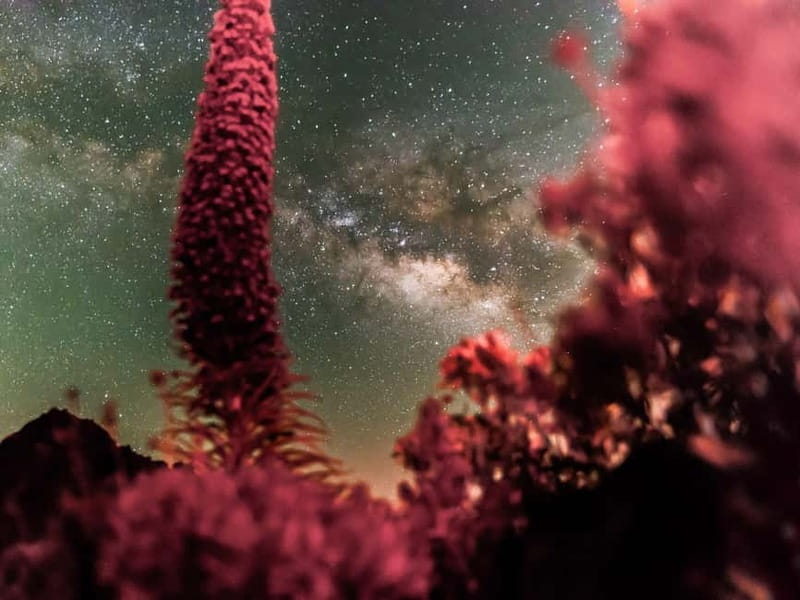
This is a strong match if you fall into one of these buckets:
- You want more than basic stargazing, you want explanation tied to what you see
- You like small groups and hate feeling rushed
- You are traveling as a couple, solo, or with older kids who can handle cold and standing
It is specifically not suitable for children under 8 (and the activity notes that kids under about 7 to 9 may not be appropriate due to conditions). That means if you have younger kids, you should choose something else that is less dependent on standing in cold outdoor weather.
It also requires your own vehicle or arranging a taxi to reach the Parador meeting point. If you are relying entirely on public transport, you may find it harder to get there on time.
Should you book Teide stargazing with an astrophysicist?
Book it if you want a night where the sky comes with context, not just views. The combination of small-group attention, a trained astrophysicist guide, and a professional 8-inch telescope makes it feel like a guided observing session, not a casual night event.
Skip or rethink it if:
- You know you will struggle in cold temperatures or you refuse outdoor standing
- You cannot get to the Parador meeting point by car or taxi
- Your group includes children below the tour’s recommended age range
If you do book, do the boring prep well. Dress warmly, bring water, and arrive ready to look up for longer than you think. When the conditions are good, this is exactly the kind of experience that changes how you see a night sky for the rest of your trip.
FAQ
Where is the meeting point for the Teide stargazing experience?
You meet at the entrance or outdoor patio of the Parador Cañadas del Teide Hotel, in Las Cañadas del Teide, Santa Cruz de Tenerife.
How long is the tour?
The duration is 1.5 hours.
How big is the group?
The group is small, limited to a maximum of 10 participants.
What telescope is used?
The experience includes an 8-inch telescope (listed alongside 20 cm as well).
What languages are offered?
The live tour guide is available in English and Spanish.
Is transport included?
No. Transport is not included.
Are food and drinks included?
No. Food and drinks are not included.
What should I bring for the cold?
Bring comfortable shoes, warm clothing, thermal clothing, warm shoes, water, and weather-appropriate clothing.
Is the experience suitable for children?
It is not suitable for children under 8 years old.
What happens if the activity is canceled due to weather?
The activity may be canceled because of weather conditions. If it is canceled by the company, you get a 100% refund.
Recently added around Tenerife
- Mount Teide Tour with Transfer and Optional Cable Car Ticket★ 3.5 · 284 reviews
- Bike Rental Tenerife★ 5.0 · 79 reviews
- Electric Mountain Bike Rental Tenerife★ 4.5 · 67 reviews
- BRONZE tandem paragliding flight in South Tenerife, free pick up★ 5.0 · 257 reviews
- Las Galletas: Whale & Dolphin Tour with Local Skipper★ 4.8 · 397 reviews
- Tenerife: Underwater Walk – Sea Trek Experience★ 5.0 · 237 reviews
- Tenerife: Tandem Paragliding Flight with Pickup★ 4.9 · 262 reviews
- Tenerife: Sunset Catamaran Tour with Transfer, Buff & Drinks★ 4.8 · 761 reviews
Mount Teide Tours, compared.
Mount Teide Tour with Cable Car Ticket & Transfer
Read our review →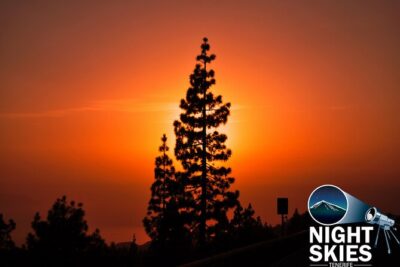
Teide National Park Sunset & Stargazing with Dinner (Star Safari)
Read our review →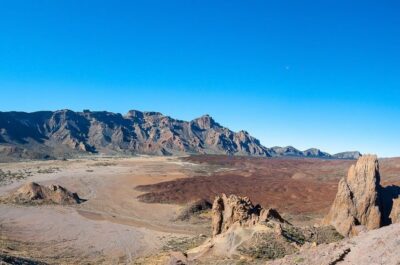
Teide National Park Full-Day Tour with Pickup
Read our review →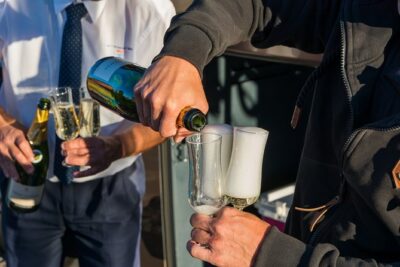
Teide by Night: Sunset & Stargazing with Telescopes Experience
Read our review →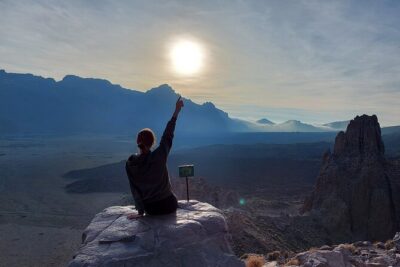
Mount Teide Summit Hiking Adventure with Cable Car
Read our review →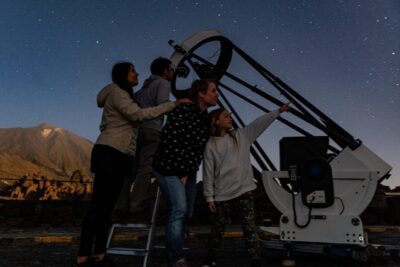
Teide National Park: Guided Large Telescope Stargazing Tour
Read our review →
Browse the lists this tour appears in