
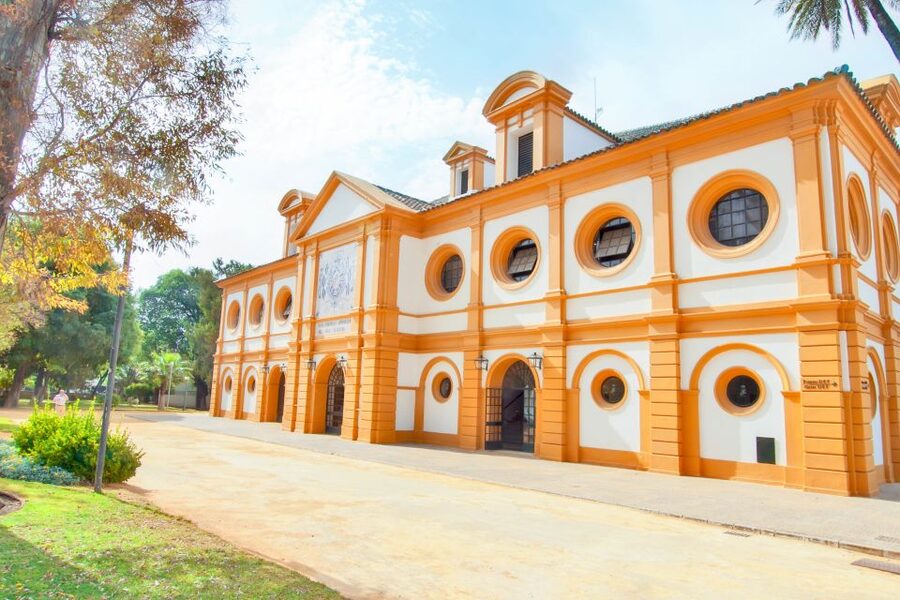
Reviewed · JEREZ DE LA FRONTERA TOURS
Jerez: Royal Andalusian School of Equestrian Art Admission
Jerez horse culture comes with backstage access, and this guided visit lets you see how it all works. I love watching Royal School training in the rings, and I love the Museum of Equestrian Art with its hands-on style exhibits and Andalusia horse history. It also helps that the setting is jaw-dropping, from gardens to grand palace rooms.
One big consideration: the visit does not include outdoor training or harness work from the saddlery on Saturdays, so your best viewing day depends on when you’re in town. Plan around that, and you’ll get a far more satisfying experience.
In This Review
- Key highlights to look for
- Entering the Royal School: Reception, Audio-Visual Intro, and a Garden Walk
- The Charles Garnier Palace Halls: Why the Setting Matters
- Museum of Equestrian Art: 11 Rooms That Explain What You’re About to See
- Saddlery Workshop and Harness Repair: The Craft Behind the Performance
- Watching Training in Outdoor Rings (Except Saturdays) and the Indoor Arena
- Octagonal Stables and the Tack Room: Where Daily Equipment Lives
- Carriage Museum Finale: Vehicles, Harnesses, and Equestrian Costumes
- What the Guided Part Adds (and Why It’s Worth Doing)
- Timing and Day-of-Week Reality Checks
- Practical Tips to Make This Visit Smoother
- Who This Tour Is Best For (and Who Might Want a Different Option)
- Should You Book This Royal Andalusian School Admission in Jerez?
- FAQ
- How long is the Royal Andalusian School of Equestrian Art admission visit?
- Where do I meet for the tour?
- Is the visit available on Saturdays?
- What’s included with the ticket?
- Is there an audio-visual presentation?
- What languages are the live guides available in?
- Do I need to bring a printed ticket?
- Are there restrictions on what I can bring into the grounds?
- Is the experience wheelchair accessible?
- Is there a cancellation option?
Key highlights to look for
- Outdoor rings training except Saturdays, so pick your day with the schedule in mind
- 11-room Museum of Equestrian Art in the basement, focused on Andalusia and equestrian art
- Charles Garnier-designed 19th-century palace, with halls decorated as originally conceived
- Saddlery workshop by a master harness maker and apprentices, except Saturdays
- Octagonal stables and the central tack room, where everyday and show harnesses are stored
- Carriage museum finale, with vehicles, horses, harnesses, and equestrian costumes
Entering the Royal School: Reception, Audio-Visual Intro, and a Garden Walk
Your visit starts at the visitor reception area, before you even reach the stables. You’ll sit through an audio-visual presentation on the history of equestrian art in Andalusia, and you’ll have access to it until 11:00 AM. If you arrive later, you might miss that piece, so try to be early enough to catch it.
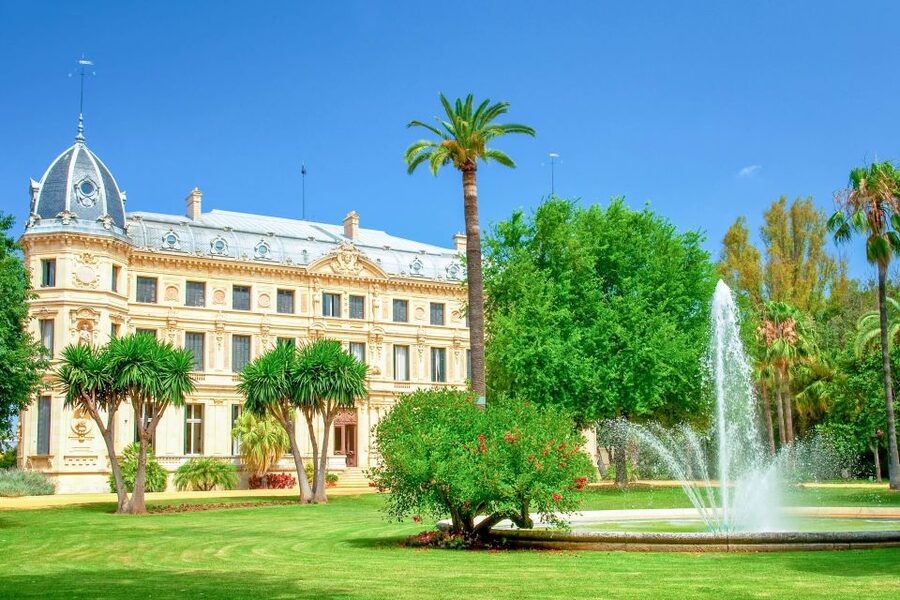
From the reception, you move into the gardens. This is not a quick sidewalk transfer. You’ll pass exotic plants, and there’s a fountain in the center whose water jets invite you to walk further into the Royal School grounds. It’s a nice mental shift from “ticket line” mode into “slow down and look around” mode.
Even if you’re not a horse superfan, the gardens help set the tone. You’re stepping into a working institution that also has a formal, almost ceremonial feel, and the landscaping makes that contrast easier to appreciate.
Other days out near Jerez de la Frontera
- Jerez de la Frontera: Andalusian Horse Dance and Museums
★ 4.7 · 1,289 reviews - Jerez: Yeguada de la Cartuja Carthusian Horses Tour
★ 4.8 · 970 reviews - Jerez: Bodegas Fundador Guided Tour with Tasting Session
★ 4.8 · 714 reviews
The Charles Garnier Palace Halls: Why the Setting Matters
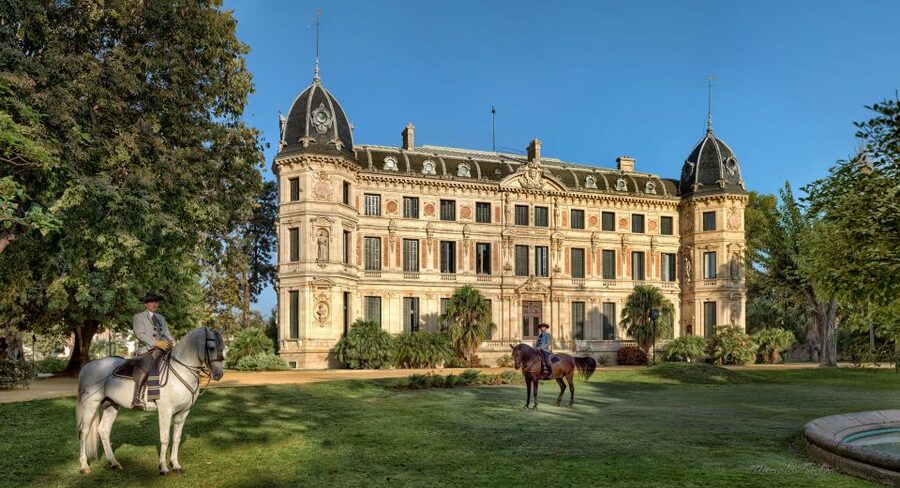
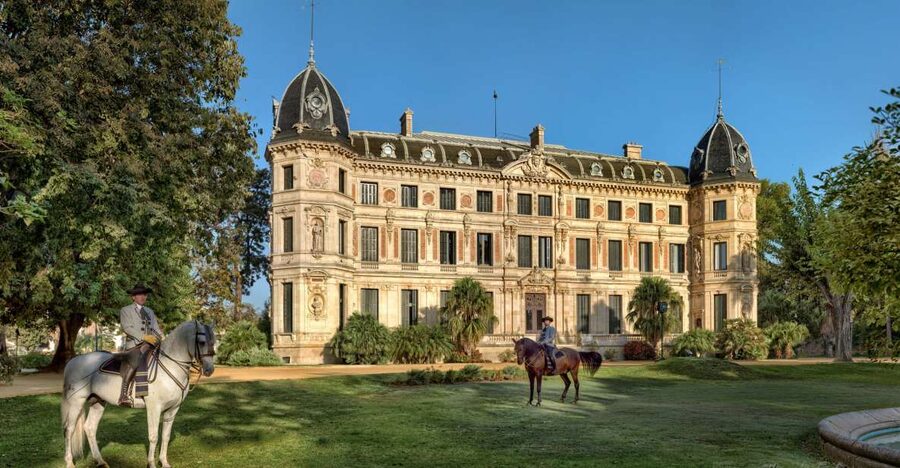
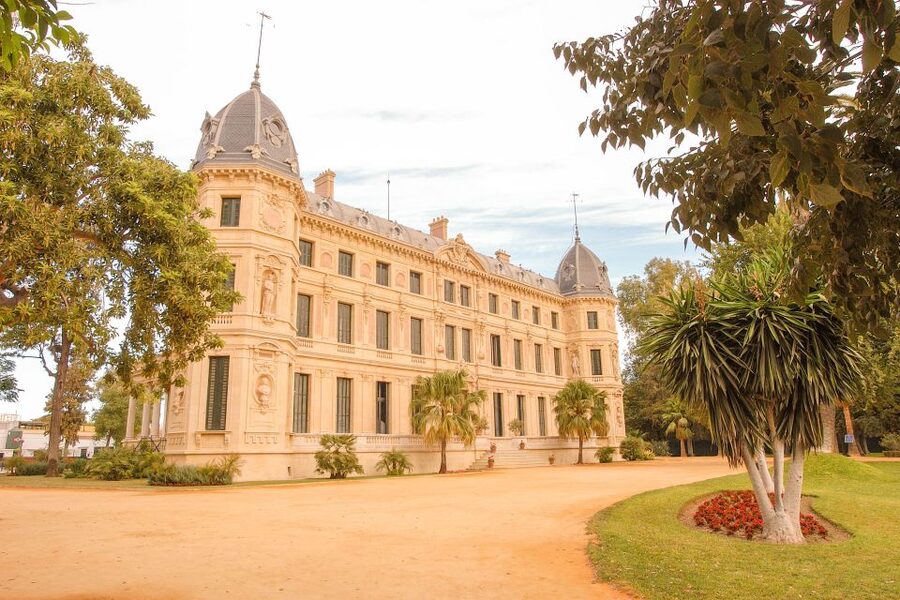
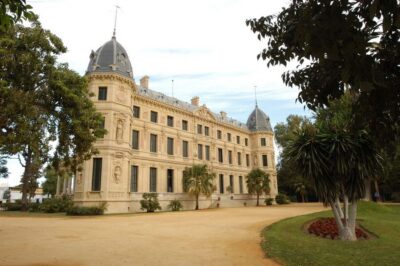
Across the fountain, the palace rises above the gardens, and it’s hard to miss. It’s a strong example of 19th-century architecture designed by Charles Garnier, the kind of architect name you expect in Paris, not inland Andalusia. That dramatic backdrop matters because it frames equestrian art as something more than sport, it’s presented as culture and tradition.
On the ground floor, you can admire the halls decorated as they were originally conceived. In practice, that means you’re not just looking at objects, you’re moving through rooms that are meant to feel like the school’s “world.” For a first-time visitor, it’s a fast way to understand why the Royal School has such a formal reputation.
If you’re short on time, spend a few extra minutes here. The palace rooms are often where you’ll get your clearest sense of scale and importance before you move into the more practical parts of the visit.
Museum of Equestrian Art: 11 Rooms That Explain What You’re About to See
Before you watch horses work, you’ll go down to the basement and the Museum of Equestrian Art. The museum is split into 11 rooms, focused on the origins and history of equestrian art and on the horse in Andalusia. Instead of treating this as “horse photos and done,” the museum builds context for why the school trains the way it does.
This is also where you’ll notice the interactive museum style. It’s the kind of place where information is easier to absorb because you’re not just reading plaques. You should also plan a little time here even if you think you’re “just coming for the horses,” because once you understand the story, the training sessions make more sense.
One practical note: some display videos may be unreliable at times. If you spot a screen that isn’t working, don’t let it derail the visit. The museum still provides a lot through its layout and the way the rooms are organized.
Saddlery Workshop and Harness Repair: The Craft Behind the Performance
After the museum, the tour shifts toward the work that happens out of sight. You’ll see where harnesses are made and repaired in the saddlery. This labor-intensive work is carried out by a master harness maker and apprentices, with an important exception: it is not included on Saturdays.
This stop is small in size but big in meaning. Harnesses look like accessories, until you see that they’re part of the horse’s comfort and the rider’s ability to control movements. Watching craft work tied to real daily training makes the whole equestrian system feel more complete.
If you’re the type who likes details, this is a highlight. You’ll leave with a new appreciation for the materials and upkeep that keep horses comfortable and routines consistent.
Also within reach of Jerez de la Frontera:
- Jerez de la Frontera: Sherry Winery Tour with Tasting
★ 4.6 · 309 reviews - Flamenco Show at La Guarida del Angel with Drink
★ 4.7 · 72 reviews
Watching Training in Outdoor Rings (Except Saturdays) and the Indoor Arena
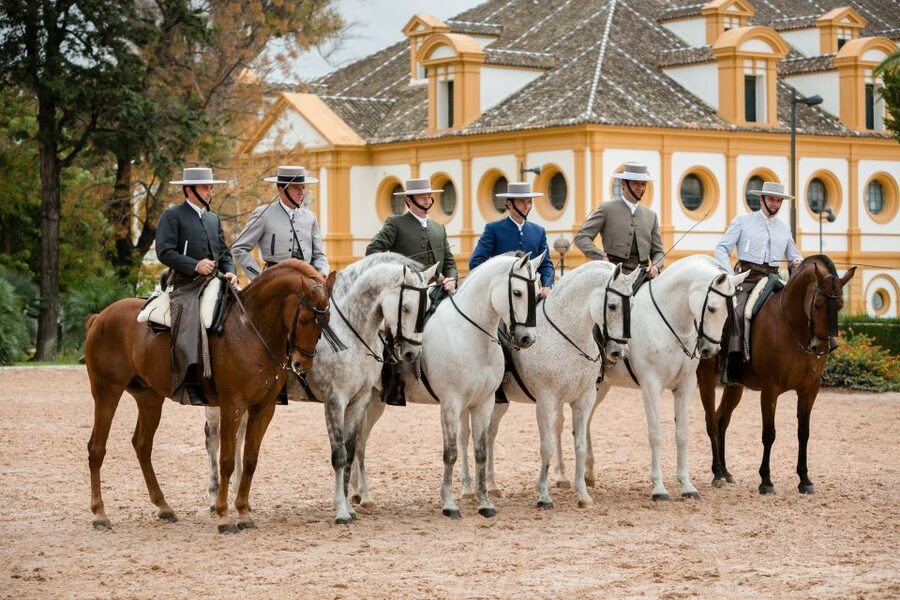
The heart of the experience is watching horses train with riders. The tour includes training in the outdoor exercise rings, but again there’s that Saturday exception. If you can choose dates, aim for a day when training is scheduled in the rings.
You’ll also see the indoor arena. It’s designed in an authentic Andalusian style and has a huge capacity of 1,600 people, which tells you this is set up for serious daily training, not just occasional events. In a practical sense, it also means the viewing setup is designed to keep sessions smooth and organized.
A couple of “be smart” tips from what’s been observed on-site: photography rules can be stricter inside the arena. If you’re eager to take photos, be prepared that you might not be allowed everywhere. Your best strategy is to keep your focus on watching, not documenting.
If rain hits your travel week, it can make outdoor viewing less comfortable. Bring a light layer so you can stay put and watch without rushing around.
Octagonal Stables and the Tack Room: Where Daily Equipment Lives
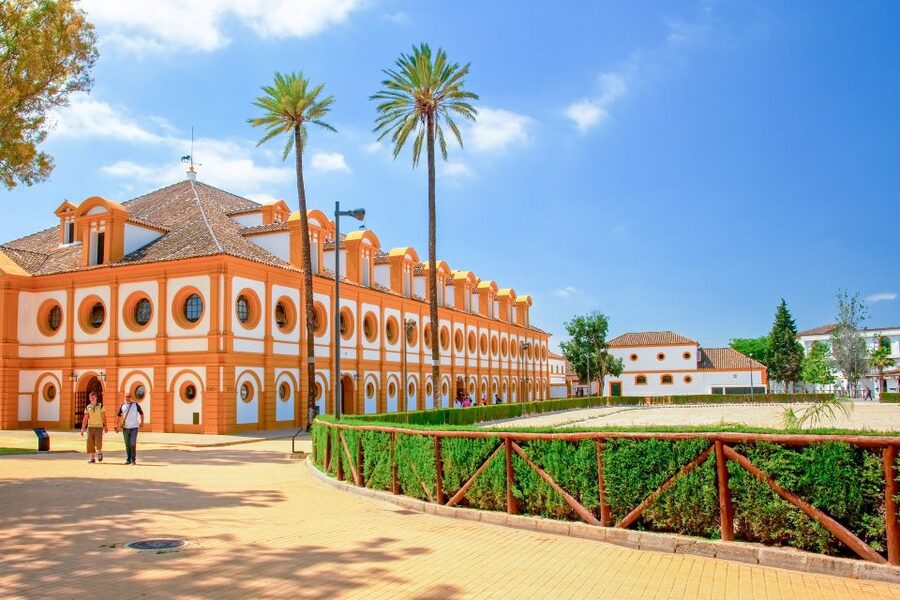
Next comes the stables. The stable complex is octagonal, and this is where you see the school’s most emblematic horses. The layout makes the space feel focused and efficient, like the building itself supports training routines.
In the center of the stables is the tack room, where harnesses used for daily training and for shows are kept. You’ll get a behind-the-scenes view of how equipment is organized and stored, and that makes it easier to understand why the school can run consistently day after day.
This stop is also where you can sometimes ask questions. Guides often have answers ready because the school staff work around horses and equipment, not just around tourists. If you want to nerd out a little, this is where your curiosity will pay off.
One thing to keep expectations realistic: you may not be able to touch or pat horses. Some people feel surprised by that. Even without hands-on contact, being close enough to see horses up close and observe the stable environment is still a real highlight.
Carriage Museum Finale: Vehicles, Harnesses, and Equestrian Costumes
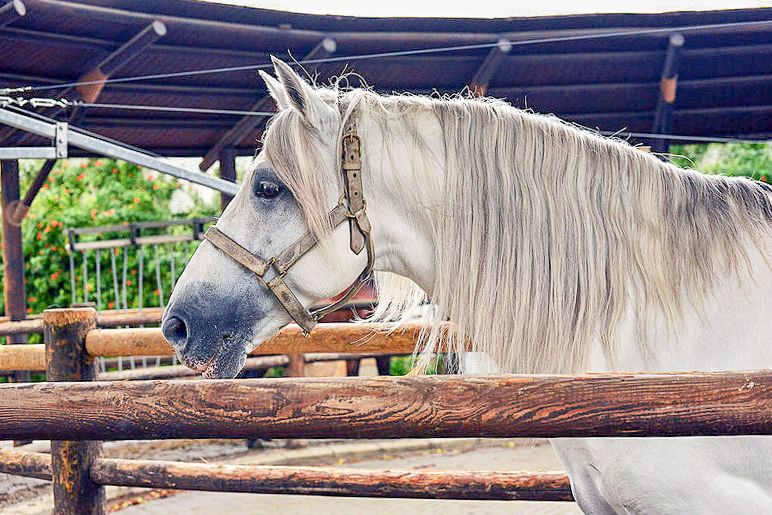
The tour ends with a visit to the carriage museum. This is a change of pace from dressage-focused training. You’ll see vehicles, horses, harnesses, and equestrian costumes in the museum collection.
It’s a good finale because it expands the idea of equestrian art beyond one style of performance. Driving and carriage work connect to horse training in a different way, and seeing the equipment helps you visualize how harness design supports movement and control.
If the day is hot, you might move through this part a bit faster. The museum is still worth including if you have the energy, because it adds variety to the story you’ve been learning.
What the Guided Part Adds (and Why It’s Worth Doing)
This visit really works best with a guide. You’re walking through a working school, with schedules and routines that make sense to insiders but can feel cryptic if you’re on your own. With a guide, you’re not just seeing rooms, you’re learning what each area does.
Guides can be school employees, and that shows in the way the explanations are delivered. In the set of experiences shared over time, names like Javi, Elena, and Harry have come up, all associated with thoughtful, school-based explanations. Even if you don’t get the same guide, the pattern holds: you should expect staff to connect what you see to how training actually runs.
Language options are solid, with tours available in Spanish, English, French, and German. If you’re traveling in a mixed-language group, it can be worth choosing the language that keeps you engaged rather than simply “good enough.”
Timing and Day-of-Week Reality Checks
The tour is about 2 hours, so you’re getting a focused taste of the school. Still, timing matters in small ways.
The audio-visual presentation has a clear window until 11:00 AM. If your tour starts after that, you’re likely to miss that intro piece. The outdoor training and saddlery harness work are excluded on Saturdays, so your plan should reflect that.
Tour start times can vary by language and scheduling, so don’t assume your session begins exactly when you planned it. If you want the least-stress experience, arrive early enough to get through the ticket office smoothly and find your group.
Practical Tips to Make This Visit Smoother
Here are the details that help you avoid friction on arrival:
- Bring your printed receipt or show the ticket on your mobile at the ticket office.
- If you purchased a discounted ticket, you may need to show eligibility proof at the ticket office.
- Avoid taking bottles, cans, animals, or anything the management considers unsuitable into the grounds.
- Wear comfortable shoes. You’ll spend time moving between gardens, palace rooms, and indoor spaces.
- Plan for rules around photography in certain areas, especially inside the arena.
- If you really want outdoor-ring training, pick your day carefully, since Saturdays are limited.
One more “sanity saver”: the management reserves the right to alter the program. It’s not a reason to worry, just a reason to stay flexible. Horses and schedules are real-life things, not just a movie set.
Who This Tour Is Best For (and Who Might Want a Different Option)
This is a strong match if you:
- Love horses and want more than a quick look
- Enjoy museums that teach through layout and interaction
- Want a real behind-the-scenes feel, stables to tack room included
- Like historical architecture, especially 19th-century palaces in unexpected places
It’s less ideal if you:
- Can only visit on Saturdays and want the outdoor training portion
- Expect a performance show ticket included in the admission
- Hate guided structures and prefer total freedom (because you’ll stay within the tour flow)
If your real goal is a specific equestrian performance, double-check the ticket type you’re buying. This admission focuses on access to school facilities and the chance to watch training, not necessarily a full show event.
Should You Book This Royal Andalusian School Admission in Jerez?
I think you should book if you want the best kind of “horse immersion” in Jerez: stables plus museum plus the craft of harness making, all in about two hours. At around $18 per person, it’s also one of the more sensible ways to spend time here if you want value that isn’t just photo stops.
Book with extra care if your dates land on Saturday. You’ll still see a lot of the school, but you’ll miss some key parts like outdoor training and saddlery harness work. If you’re able to pick a weekday, your odds of seeing the full rhythm of daily training go up.
If this is your first time in Jerez and you want something unmistakably local, this is one of those visits that feels less like a tourist checkbox and more like learning how the school runs.
FAQ
How long is the Royal Andalusian School of Equestrian Art admission visit?
The admission experience lasts about 2 hours.
Where do I meet for the tour?
The meeting point can vary depending on the option you booked.
Is the visit available on Saturdays?
Some parts are excluded on Saturdays, including the outdoor training and the saddlery harness-making and repair activity.
What’s included with the ticket?
Your ticket provides full admission to the school facilities, including access to the stables, tack room area, museum of equestrian art, and the carriage museum, plus the guided elements included in the experience.
Is there an audio-visual presentation?
Yes. You’ll watch an audio-visual presentation on the history of equestrian art in Andalusia at the visitor reception area, and it is available until 11:00 AM.
What languages are the live guides available in?
Guides are available in Spanish, English, French, and German.
Do I need to bring a printed ticket?
You must present your printed receipt or show your ticket on your mobile at the ticket office.
Are there restrictions on what I can bring into the grounds?
Yes. You are not allowed to enter with bottles, cans, animals, or other items the management may consider unsuitable.
Is the experience wheelchair accessible?
Yes, the visit is wheelchair accessible.
Is there a cancellation option?
Free cancellation is available up to 24 hours in advance for a full refund.
Recently added around Jerez de la Frontera
- Flamenco Show at La Guarida del Angel with Drink★ 4.7 · 72 reviews
- Jerez de la Frontera: Sherry Winery Tour with Tasting★ 4.6 · 309 reviews
- Jerez: Yeguada de la Cartuja Carthusian Horses Tour★ 4.8 · 970 reviews
- Jerez: Bodegas Fundador Guided Tour with Tasting Session★ 4.8 · 714 reviews
- Jerez de la Frontera: Andalusian Horse Dance and Museums★ 4.7 · 1,289 reviews
Jerez de la Frontera Tours, compared.
Jerez de la Frontera: Andalusian Horse Dance and Museums
Read our review →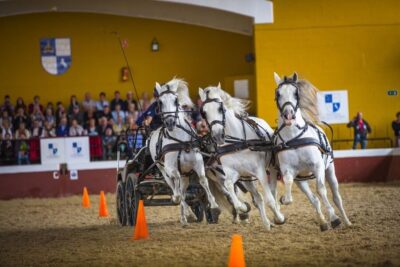
Jerez: Yeguada de la Cartuja Carthusian Horses Tour
Read our review →
Jerez: Bodegas Fundador Guided Tour with Tasting Session
Read our review →
Jerez de la Frontera: Sherry Winery Tour with Tasting
Read our review →
Flamenco Show at La Guarida del Angel with Drink
Read our review →Browse the lists this tour appears in