
Reviewed · WALKING TOURS
Málaga: 2h Walking Historical Tour–Art, Culture and Legends
Málaga has layers, and this walk shows them fast. Your guide, art historian Igor Francisco Martínez, turns the historic center into a story you can follow street by street. I like the mix of big landmarks and small details, and I like that you get hands-on tastings at the end. One thing to consider, though: it’s a walking tour, so if you hate to move on pavement or prefer long museum time, you may want a different style of visit.
What you’ll actually get is an organized loop through Málaga’s key stops, with humor and context that makes the city click. I also appreciate how the route threads together ancient Phoenician roots, Roman architecture, and Picasso-era culture without turning into a lecture. The only possible drawback is pace: the tour tries to cover a lot in about 1.5 hours, so you’ll spend time learning more than lingering.
In This Review
- Key highlights I’d plan around
- Starting at Plaza de la Aduana, with the Alcazaba nearby
- Puerta Oscura Garden: where Málaga’s Phoenician beginning starts to make sense
- The Roman Theatre: oldest visible structure, explained from the stands
- Picasso’s Málaga: museum area, baptism connection, and neighborhood mood
- Malaga Cathedral, La Manquita: unfinished story and legend details you can spot
- Constitución Square and Plaza de la Flores: where local social life lives on
- Calle Granada, Church of Santiago, and the route through history’s timeline
- Tastings that feel like Málaga, not a souvenir trap
- Atarazanas Market: the shipyard past and the flavor present
- How good value works out at about $26 per person
- Who this Málaga walk suits best
- Should you book this Málaga historical tour?
- FAQ
- Where is the meeting point?
- How long is the tour?
- What stops are included during the walk?
- Is food included?
- What languages is the guide available in?
- Is the tour wheelchair accessible?
- What should I bring?
Key highlights I’d plan around
- Igor Francisco Martínez, local art historian with humor that keeps the pace light
- Puerta Oscura Garden as the starting point for Málaga’s Phoenician origin story
- Roman Theatre explained from the stands, with the kind of spectacle the Romans loved
- La Manquita Cathedral plus the unfinished story and the small details most people miss
- Picasso stops in the same circuit, from the birthplace area to the baptism connection
- Atarazanas Market as the food-and-flavor finish, in a shipyard that used to build vessels
Starting at Plaza de la Aduana, with the Alcazaba nearby
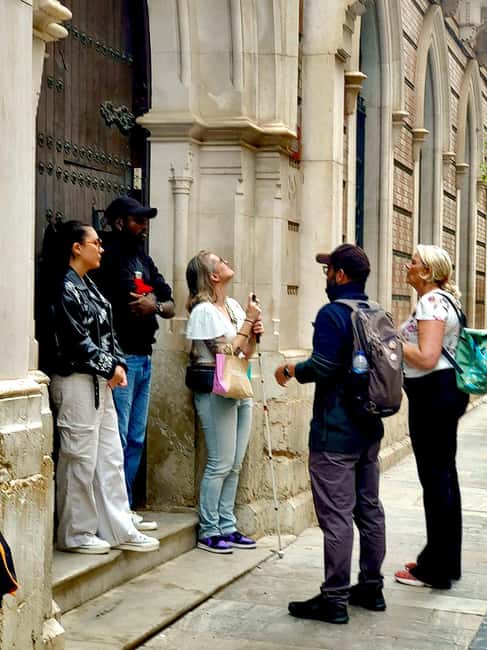
The tour begins at Plaza de la Aduana, right near the Alcazaba zone, at the white tourist information kiosk. If you’re coming by bus or train, it’s set up so you can reach it on foot from Málaga Centro-Alameda or Muelle Heredia. Before you start, your guide contacts you shortly beforehand by WhatsApp or phone call, and you’ll spot him by an identification card.
This matters because Málaga can feel like “every street is interesting,” which is great, but it can also make you wander in circles. Starting here gives you orientation quickly. You’re close to the city’s oldest storytelling ground, so even the first minutes feel purposeful rather than random.
Also, practical note: bring comfortable shoes, sunscreen, water, and a sun hat. The walking is short segments at a time, but the sun in southern Spain adds up fast.
More Walking Tours in Malaga
- Málaga: 3-Hour Complete Walking Tour with Tickets
★ 4.5 · 976 reviews - Málaga: Cathedral, Alcazaba, Roman Theater Walking Tour
★ 4.7 · 315 reviews - Malaga Private Walking Tour, Alcazaba & Catamaran Cruise
★ 5.0 · 159 reviews
Puerta Oscura Garden: where Málaga’s Phoenician beginning starts to make sense
One of my favorite parts is the opening stop at Puerta Oscura Garden. The garden looks peaceful now, but the story you hear flips the meaning of the space. In the 6th century BC, the Phoenicians chose this area to found ancient Malaka. That’s a huge claim, but the guide makes it feel grounded, not dramatic.
You’ll learn why the city was born at this exact location and what kind of “secrets under the stones” you should imagine as you walk. It’s the kind of origin story that helps you understand later landmarks too. When you realize Málaga didn’t start with the cathedral or the modern streets, everything you see afterward clicks into place.
This is also a good first “reset” stop. Before you get to bigger structures, you get a clear timeline, and you start using the city’s geography like a map.
The Roman Theatre: oldest visible structure, explained from the stands
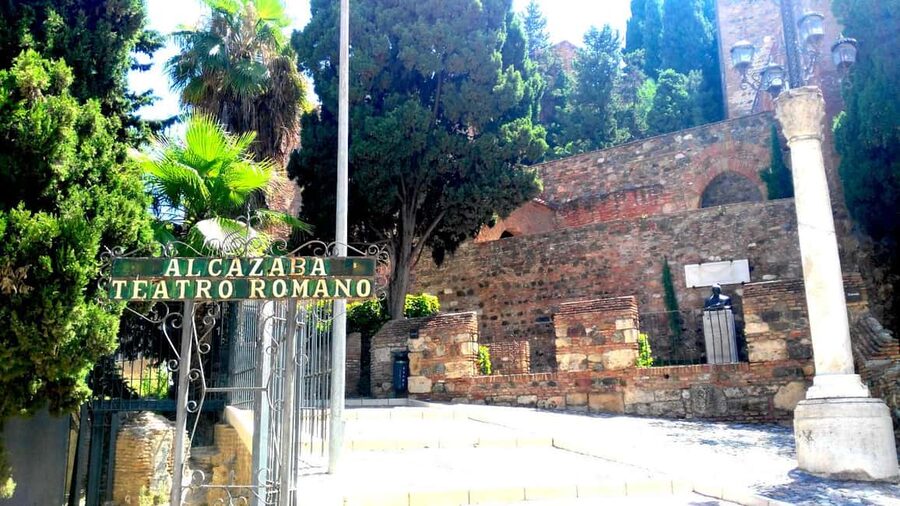
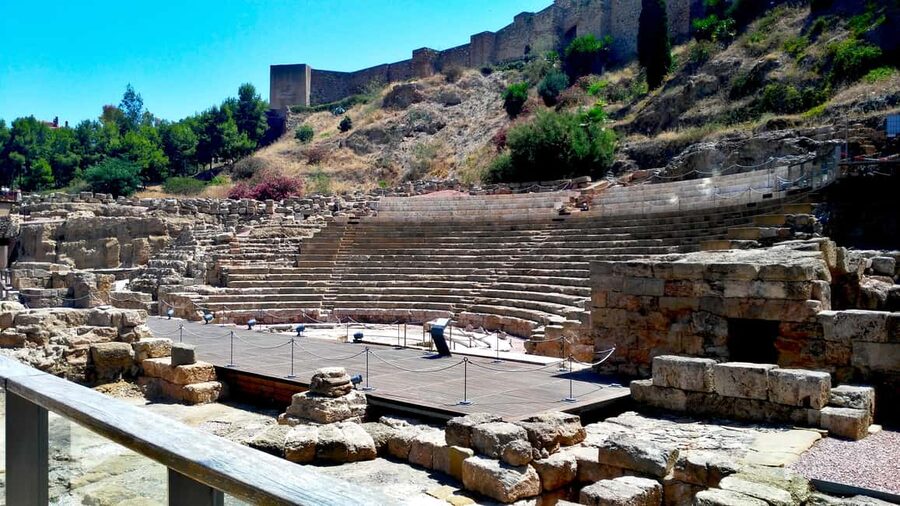
Next comes the Roman Theatre. It’s described as the oldest structure you can see in the city, and that alone is worth showing up for. But the real value is how it’s explained.
Instead of just pointing at stones, your guide takes you into the mindset of the Romans. From the stands, you’ll understand how people watched spectacle, what kinds of performances filled the space, and why this theatre stayed hidden for so long. That “why it was buried, why it survived” thread gives the architecture a story, not just a date.
One small drawback: this portion is about understanding and viewpoint. If you expect a fully interactive, hands-on archaeological experience, you may find it more interpretive than hands-on. Still, it’s one of the best ways to learn because you’re seeing the layout the way it was meant to be experienced.
Picasso’s Málaga: museum area, baptism connection, and neighborhood mood
Málaga is a Picasso city, but it can be easy to skim his presence as a list of museums. This tour does better because it places Picasso into the fabric of old streets.
You’ll stop by the Picasso Museum area and also hear about the birthplace of Pablo Picasso. There’s more than one Picasso-related connection in the route, which helps you link what you see with what you’re told rather than treating each stop like a separate box to check.
A highlight along the way is Calle Granada, tied to the march of the Catholic Monarchs in 1487. Walking that street while the guide explains the context gives you a sense of why certain buildings and traditions became important.
And then there’s the church angle: Church of Santiago is included, one of Málaga’s older churches, and it’s connected to Picasso’s baptism. That detail matters because it’s not just “Picasso lived here.” It’s “Picasso was part of a community,” and that gives the modern celebrity story a historical backbone.
You’ll also pass by or learn about places like El Pimpi Winery as part of the same old-town rhythm. Even if you don’t go in for a full visit, it’s useful context. You start to see how Málaga’s food culture, architecture, and famous people share the same streets.
Other days out near Malaga
- Barcelona Tapas and Wine Experience Small-Group Walking Tour
★ 5.0 · 5,804 reviews - Barcelona: Tapas Walking Tour with Food, Wine, and History
★ 4.8 · 4,261 reviews - Madrid Tapas & Wine Tasting Walking Tour – Small Group Local Bars
★ 5.0 · 3,644 reviews - Granada: Albaicín and Sacromonte Guided Sunset Walking Tour
★ 4.9 · 2,962 reviews
Malaga Cathedral, La Manquita: unfinished story and legend details you can spot
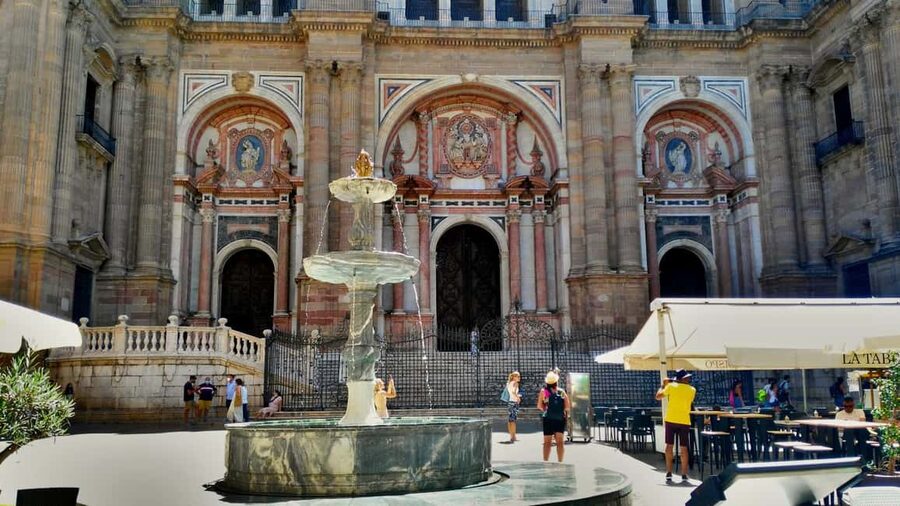
Now for the showpiece: the Catedral de la Encarnación. Locals call it La Manquita, the one-armed lady. You’ll hear why it was never finished, plus the legends that grew around it. This is one of those spots where the building looks obvious, but the story is what changes your perception.
During your visit, your guide points out the kinds of details that most people miss. The goal is to help you look at the cathedral with a sharper eye by the time you’re standing in front of it.
Practical tip: this is where your comfort depends on your expectations. If you want a long interior art session, 15 minutes may feel brief. If you want a guided “see it, understand it, move on” plan that fits within 1.5 to 2 hours, this works well.
Also, because the tour includes many outdoor-to-indoor transitions, having sunscreen and water helps you stay comfortable through any sun or wait time.
Constitución Square and Plaza de la Flores: where local social life lives on
Málaga’s historic center isn’t only monuments. It’s also squares where people meet, linger, and eat. After the cathedral, you’ll move into the neighborhood’s social spine.
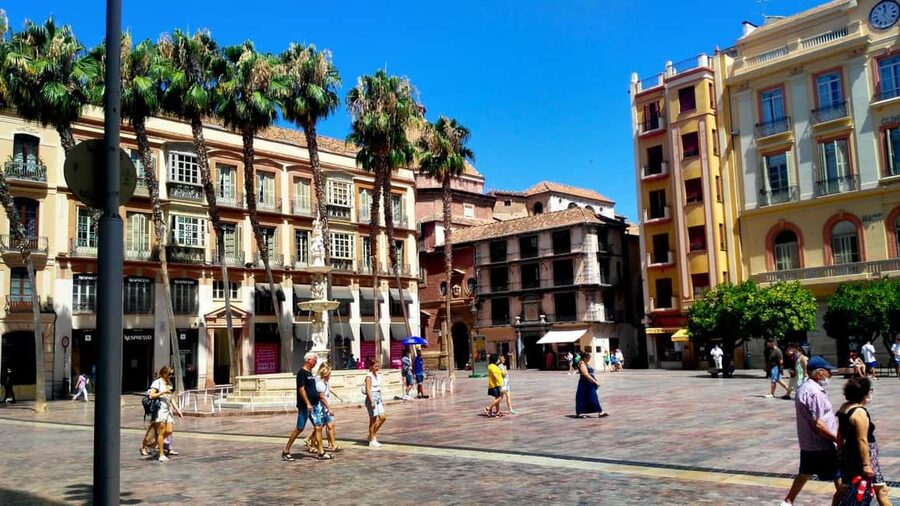
The tour includes Plaza de la Constitución, often described as the social heart of Málaga. It’s a useful stop because it helps you understand how the city organizes everyday life around public space. You’ll also visit Plaza de las Flores, known for charming old-town character, and you’ll learn how devotion and tradition show up in everyday architecture.
One standout piece of context here is the obelisk dedicated to General Torrijos. The guide explains why it matters, so when you look at it you’re not just seeing an object. You’re seeing a reminder of political memory in stone.
This sequence is particularly valuable if you’re visiting for the first time. Big landmarks tell you what happened. Squares tell you how people live now.
Calle Granada, Church of Santiago, and the route through history’s timeline
The itinerary keeps linking time periods as you walk. A key thread runs through Calle Granada, where the Catholic Monarchs’ victorious march in 1487 is discussed.
Along that path, you’ll also learn about older layers of Málaga’s identity, including the presence of the Church of Santiago tied to Picasso’s baptism. The idea is simple: you see the street, you hear the story, and the city starts to feel like a timeline you can walk across instead of a list of facts.
You’ll also encounter the kind of local landmark variety that makes Málaga more fun to explore later on your own. You’ll hear about El Pimpi Winery and the Picasso Museum zone, plus other colorful corners that feel lived-in rather than staged.
A balanced note: the tour is packed. If your travel style is “slow down and photograph everything,” you may need to follow up later with self-guided time. Still, the tour helps you decide what deserves the second visit.
Tastings that feel like Málaga, not a souvenir trap
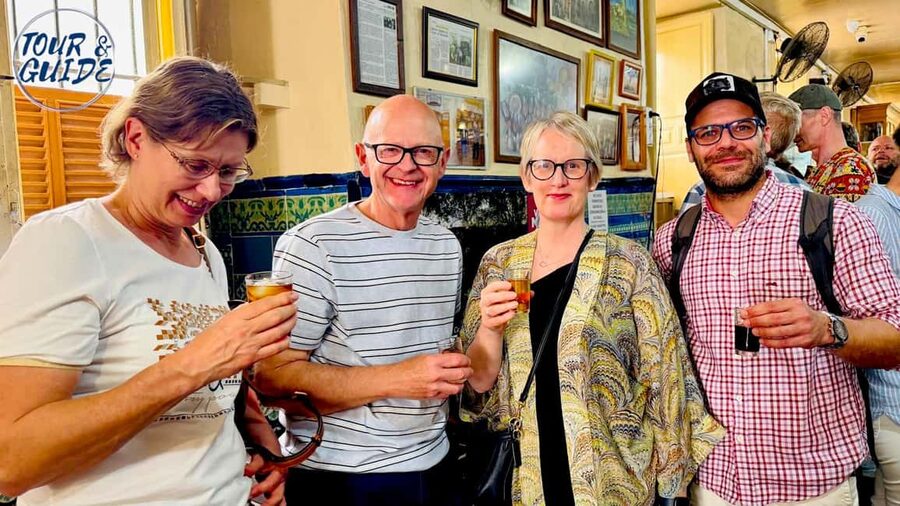
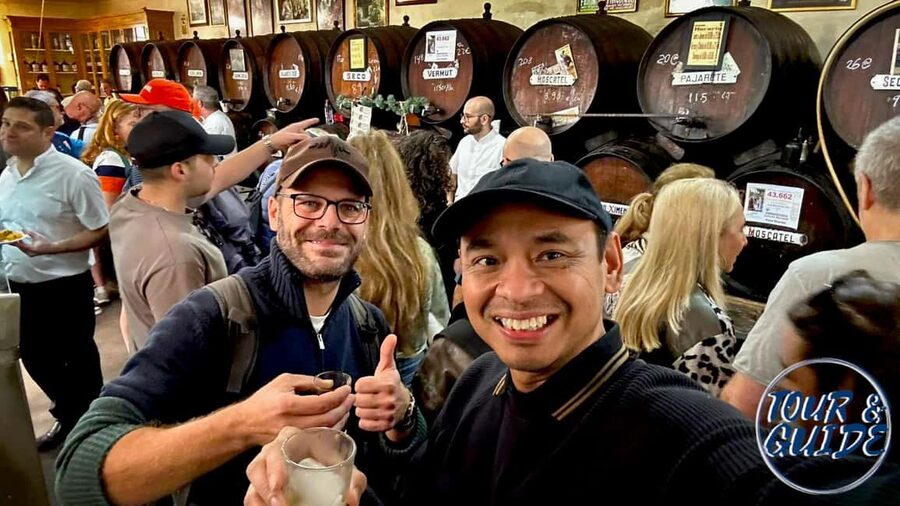
You’ll get a tasting of traditional products, including items like candied almonds and artisanal nougat. This matters because Málaga’s food culture is part history too. Sweets and small bites are easy ways to try local flavors without taking over your whole day.
The pacing here is also smart. Food stops give you a small break from walking while still keeping you on the story track. It’s not just “taste this and move on,” because you’re still in context. The tour ends with more food and drink sampling at a surprise stop.
One thing to be clear about: food is not fully included as a full meal, and additional drinks are not included. But you do get tastings, which are the best kind of included food. You leave with ideas, not just calories.
Atarazanas Market: the shipyard past and the flavor present
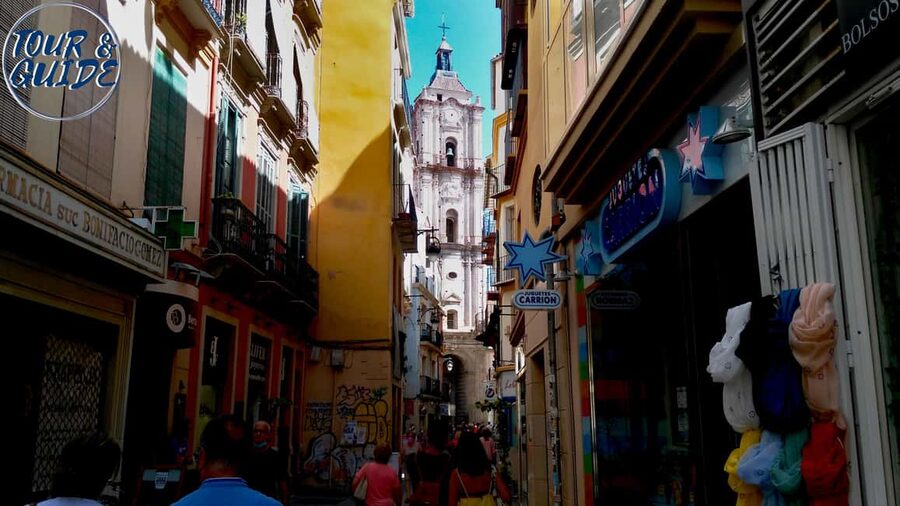
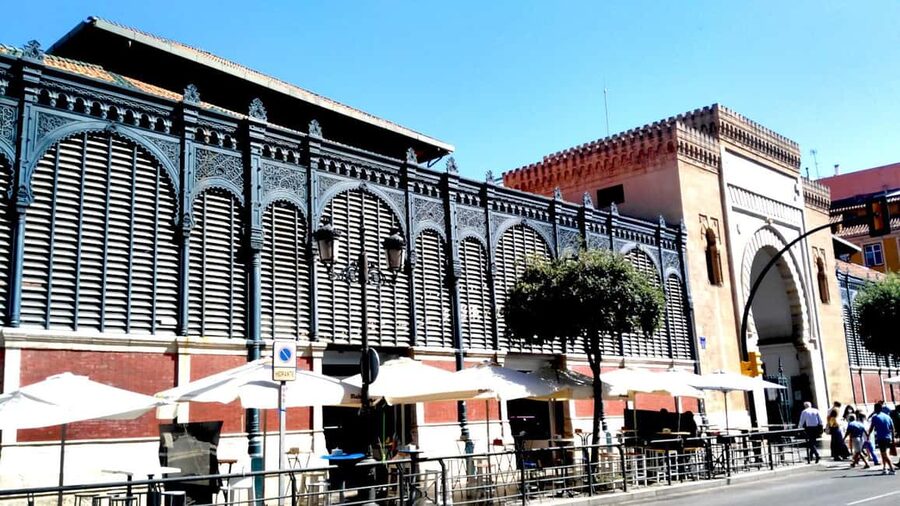
The last major stop is Mercado Central de Atarazanas. This market used to be a shipyard, and that shipyard past is part of the experience. The guide frames it so you feel the shift from building vessels to feeding the city.
As you wander inside, you’ll take in aromas and colors, and the market becomes the kind of place you’ll remember even if you forget every exact date you heard. You get a sense of what Málaga buys, cooks, and shares day after day.
If you like practical travel skills, this is the portion that pays off later. Even if you don’t plan to eat in the market itself, you’ll know what kinds of stalls, products, and flavors to look for when you go looking for dinner.
How good value works out at about $26 per person
At $26 per person for about 1.5 hours, the value depends on what you want from a guide.
If you want a checklist version of Málaga, you might think it’s pricey for a short walk. But if you want meaning, this is where the money goes. You’re paying for:
- A clear storyline from Phoenician beginnings to Roman architecture to Picasso-era culture
- Expert framing inside major landmarks like the cathedral and Roman Theatre
- Time saved, because you won’t have to guess what to notice or what the building stories mean
- Included tastings and a market stop that helps you connect to local flavors
Also, the reviews you’ll see for this tour consistently mention a fun, humorous delivery. That’s not a small detail. If a guide makes you laugh while teaching, your brain remembers more. The result is that you return from the tour with a mental map of Málaga, not just photos.
One caution: the posted duration can be optimistic. Some groups experience extra time because questions and conversation stretch the flow. If you have a tight schedule after the tour, build a small buffer.
Who this Málaga walk suits best
This tour fits best if you:
- Want an organized first pass through the historic center
- Love architecture, legends, and the “why does this exist here” angle
- Like a guide who uses stories and humor instead of a dry script
- Prefer learning without needing museum tickets for every stop
It’s also a solid choice if you’re the kind of traveler who likes to come back later. You’ll get enough “what to revisit” cues to plan a second day with confidence.
If you’re traveling with limited mobility needs, note that the tour is marked wheelchair accessible. The route still involves walking, so you’ll want to judge comfort on your own. Bringing water and sun protection helps a lot, even if the pace is manageable.
Should you book this Málaga historical tour?
I’d book it if you want the classic Málaga highlights, but with real context and a guide who makes the city feel alive through stories, not just sights. The combination of Roman Theatre, Picasso connections, and La Manquita gives you the big hits, while Puerta Oscura Garden and the market stops give you the deeper texture.
Skip it if your priority is long, independent museum time, or if you hate structured routes. This is a guided walk that prioritizes learning per minute. For most visitors, that’s exactly what you want on day one.
If you do book, plan your day around comfortable walking shoes, some sun protection, and the expectation that you’ll finish with local food ideas and a stronger sense of where everything fits.
FAQ
Where is the meeting point?
Meet next to the white tourist information kiosk in Plaza de la Aduana, Málaga, next to the Alcazaba. Your guide will contact you a few minutes beforehand by WhatsApp or phone.
How long is the tour?
The tour duration is listed as 1.5 hours.
What stops are included during the walk?
You’ll visit major sights in the historic center, including the Roman Theatre, Picasso’s birthplace/Picasso Museum area, the Catedral de la Encarnación (La Manquita), Plaza de la Constitución, and Mercado Central de Atarazanas. The tour also includes exploration around the Alcazaba fortress.
Is food included?
You’ll get tasting of traditional products, but food is not included as a full meal. Additional drinks are also not included.
What languages is the guide available in?
The live guide offers French, English, and Spanish.
Is the tour wheelchair accessible?
Yes, it is listed as wheelchair accessible.
What should I bring?
Bring comfortable shoes, a sun hat, sunscreen, and water.
More Historical Tours in Malaga
- Taste of Malaga Tour : Tapas, History and Local Customs
★ 5.0 · 758 reviews - Madrid Essential: Historic Center, Plaza Mayor & Royal Palace
★ 5.0 · 6,416 reviews - Sevilla Food Tour: Tapas, Wine, History & Traditions
★ 5.0 · 3,468 reviews - Valencia Old Town Tour with Wine & Tapas in 11th Century Historic Monument
★ 5.0 · 3,234 reviews
Recently added around Malaga
- From Malaga: Seville Day Trip and Optional Monument Tickets★ 4.5 · 340 reviews
- From Malaga: Seville Day Trip with Real Alcázar Tickets★ 4.6 · 528 reviews
- From Malaga: Ronda & Setenil de las Bodegas Day Trip★ 4.8 · 1,004 reviews
- Caminito Del Rey From Málaga: Round-Trip Bus + Tour with Official Guide★ 4.8 · 240 reviews
- From Malaga: Hammam Bath, Kessa and Relaxing Massage Tour★ 4.7 · 463 reviews
- From Malaga or Costa del Sol: Mijas, Marbella & Puerto Banus★ 4.5 · 677 reviews
- From Malaga and Costa Del Sol: Cordoba Day Trip★ 4.6 · 212 reviews
- From Malaga: Alhambra Guided Tour with Entry Tickets★ 4.4 · 563 reviews
Walking Tours, compared.
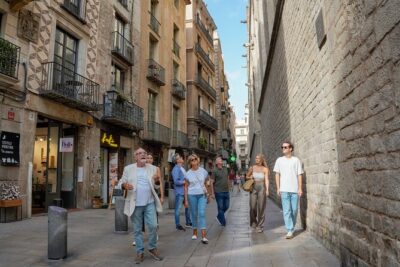
Barcelona Tapas and Wine Experience Small-Group Walking Tour
Read our review →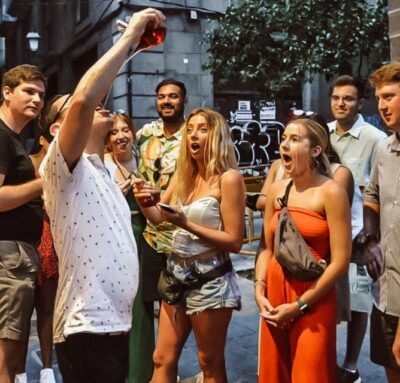
Tapas Walking Tour with Food, Wine, and History
Read our review →
Madrid Tapas & Wine Tasting Walking Tour – Small Group Local Bars
Read our review →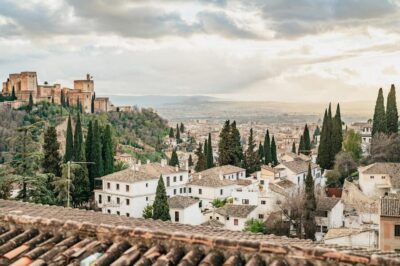
Albaicín and Sacromonte Guided Sunset Walking Tour
Read our review →
Toledo Tour & Vineyard Walk with Wine Tasting from Madrid
Read our review →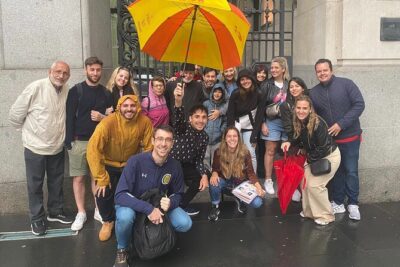
Madrid Walking Tour from Puerta del Sol to Retiro Park
Read our review →

Barcelona Tapas Walking Tour: Food, Wine & History
Read our review →Browse the lists this tour appears in